
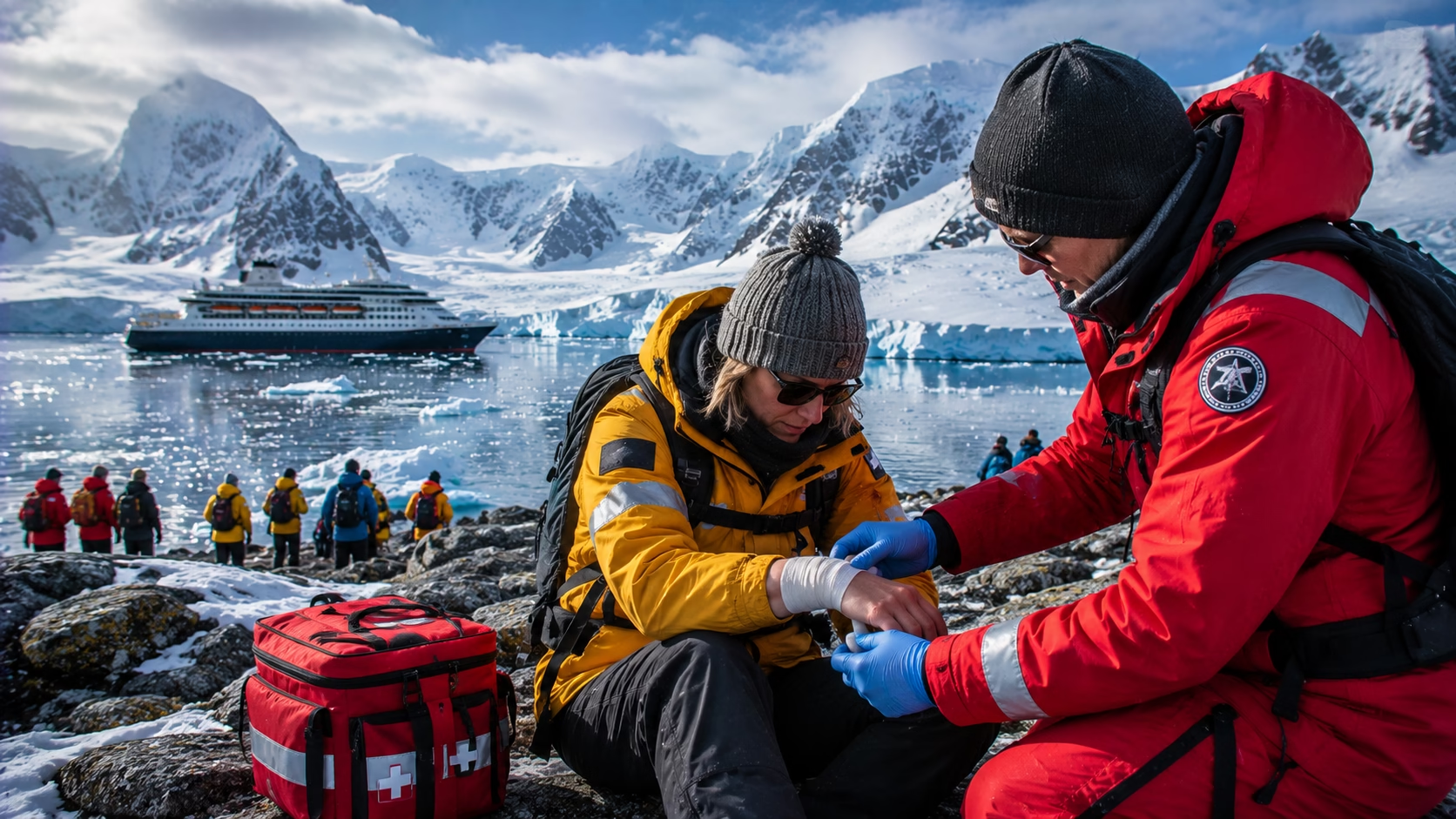
Antarctica is one of the last true frontiers on Earth, a landscape so extreme and untouched that stepping onto its ice feels like entering another world. Towering glaciers, endless snow plains, and colonies of penguins create scenes of astonishing beauty. Yet behind the wonder lies an environment that demands absolute respect. Conditions are harsh, unpredictable, and unlike any other travel destination.
This guide explores every aspect of health and safety for travelers heading to Antarctica. You will learn how to prepare physically and mentally, what medical and emergency precautions to take, and how to protect both yourself and the environment. Whether you are joining a guided expedition cruise or visiting a research base, understanding these details will ensure your journey is safe, sustainable, and unforgettable.
Understanding the Environment: Why Antarctica Demands Special Preparation
Antarctica is the coldest, driest, and windiest continent on Earth. The environment operates beyond what most travelers have ever experienced. Temperatures can plunge well below freezing even during the austral summer months from November to February. Winds can reach hurricane strength, and the remoteness of the region means medical help is hours, or even days, away.
Travelers need to appreciate that Antarctica is not built for spontaneity. There are no permanent hotels, emergency hospitals, or commercial infrastructure. Every essential service operates through expedition operators and research facilities. For this reason, preparation is not just a formality but a genuine matter of survival and well-being.
Before your trip, take time to read about Antarctic geography and climate. Understanding how the cold, altitude, and isolation interact will give you perspective on why every safety guideline exists.
Preparing Your Body and Mind for the Expedition
Physical preparation
Antarctic travel is generally less physically demanding than climbing a mountain, but it does require stamina and resilience. You may have to walk across uneven ice, embark on wet landings from zodiac boats, and spend long periods outdoors. Begin conditioning two to three months before your trip with:
- Regular cardio and endurance training such as brisk walking or cycling
- Strength work focused on the legs and core to handle movement on ice
- Balance and flexibility exercises to prevent slips in boots or on boat decks
Physical readiness reduces fatigue and helps you stay alert in challenging conditions.
Mental preparedness
The psychological aspect of Antarctic travel is often underestimated. There are long stretches without connectivity, limited comfort facilities, and isolation from the familiar world. Prepare by practicing mindfulness, packing entertainment such as reading material, and mentally embracing the sense of adventure that comes with being far away from civilization.
Related Posts:


Medical Readiness and Health Precautions
Because Antarctica lacks direct medical infrastructure, expedition operators require passengers to submit detailed health questionnaires and medical certificates before departure. These measures ensure that everyone can handle the demanding conditions and that the crew can respond appropriately in case of emergency.
Key medical considerations include:
- Vaccinations and health checks
Consult your doctor well before travel. Routine vaccinations should be up to date, and you may need additional ones depending on your route through South America or other embarkation points. - Personal medication
Bring a sufficient supply of any prescription drugs, stored securely in waterproof containers. Medical supplies on ships are limited, and replacements are not readily available. - Sea sickness and motion support
The Drake Passage, which separates South America from the Antarctic Peninsula, is known for rough seas. Carry appropriate motion sickness medication and follow the ship doctor’s advice when crossing. - Cold-related conditions
Frostbite and hypothermia remain the most serious risks. Learn to recognize early symptoms such as numbness or tingling and always follow your guide’s instructions about clothing and time exposure.
Dressing for the Elements: Your First Line of Protection
What you wear in Antarctica determines your comfort and safety every single day. The clothing system should follow the principle of layering, allowing you to adjust to fluctuating conditions.
- Base layer: Moisture-wicking fabric to keep sweat off the skin
- Mid layer: Insulating fleece or down that traps warmth without trapping moisture
- Outer layer: Windproof and waterproof shell to block the chill from snow and sea spray
- Accessories: Warm hats, gloves, neck gaiters, waterproof boots, and UV-blocking sunglasses
Avoid cotton because it retains moisture and draws heat away from your body. The goal is to stay dry, flexible, and insulated at all times. Expedition operators often provide outer shells and boots, but it is wise to verify this before packing.
Safety Onboard and During Land Excursions
Onboard safety
Modern expedition vessels are designed for polar operations, equipped with safety gear, medical staff, and strict navigational procedures. However, passengers still share responsibility for following safety rules. Always attend the mandatory safety drills at the beginning of your voyage. Familiarize yourself with life jacket procedures and evacuation routes.
Zodiac landings
Land excursions in Antarctica are conducted using small inflatable boats called zodiacs. These boats allow access to isolated beaches and penguin colonies but require careful boarding and disembarking. Follow the crew’s instructions closely, hold ropes for stability, and never step out without permission.
Wildlife and environmental safety
Maintain respectful distances from all wildlife. The Antarctic Treaty guidelines specify that visitors must remain at least several meters away from penguins, seals, and nesting birds. Disturbing animals can cause long-term harm to the fragile ecosystem. Additionally, never leave anything behind, and clean your clothing and boots to prevent introducing foreign organisms.
Emergencies and Evacuation Procedures
Despite all precautions, emergencies can occur. Every responsible tour operator maintains a well-defined protocol for medical evacuation. Most vessels maintain contact with rescue coordination centers in South America, though help can take considerable time to arrive due to distance and weather limitations.
Before travel, ensure your insurance covers:
- Emergency evacuation from Antarctica or remote regions
- Comprehensive medical coverage that includes maritime or air rescue
- Trip interruption in case of weather or logistical delays
Travel insurance is not optional for this kind of journey. It is a mandatory safeguard that can make the difference between inconvenience and catastrophe.
Nutrition, Hydration, and Rest
The cold environment increases calorie and water demand. Your body burns more energy staying warm, and low humidity can lead to dehydration even when you do not feel thirsty.
- Drink water regularly, even in cold weather
- Avoid excessive caffeine and alcohol which can accelerate dehydration
- Eat balanced meals rich in carbohydrates and protein for sustained energy
Rest is equally important, especially when crossing time zones or adjusting to long daylight hours. Proper sleep and hydration significantly improve your physical endurance and mental clarity.
Respect for the Environment as a Core Safety Principle
Health and safety in Antarctica also extends to the planet’s health. Every visitor plays a part in preserving this pristine environment. The International Association of Antarctica Tour Operators (IAATO) enforces strict codes of conduct to ensure minimal impact.
Follow all sustainability guidelines such as:
- Not touching or collecting rocks, plants, or wildlife artifacts
- Avoiding litter, even tiny scraps of paper or food packaging
- Using eco-friendly toiletries onboard to prevent contamination
- Respecting group size limits set for landing sites
Practicing environmental safety ensures this remarkable wilderness remains intact for future generations to experience.
Conclusion: Safe Travel in the World’s Most Extraordinary Destination
Visiting Antarctica is not only a travel experience but a personal achievement. The key to enjoying this adventure is thorough preparation, respect for nature, and trust in expert guidance. When you understand the health and safety requirements, every challenge becomes part of the reward.
By approaching Antarctica responsibly, travelers can witness its breathtaking purity while ensuring their own well-being. Health and safety are not limits; they are the foundation that allows true discovery to unfold safely at the bottom of the world.
Further Reading
Best Beaches in Southern Europe
Cheapest Countries to Visit in Africa
Travel to Somalia; How I Traveled to Mogadishu