
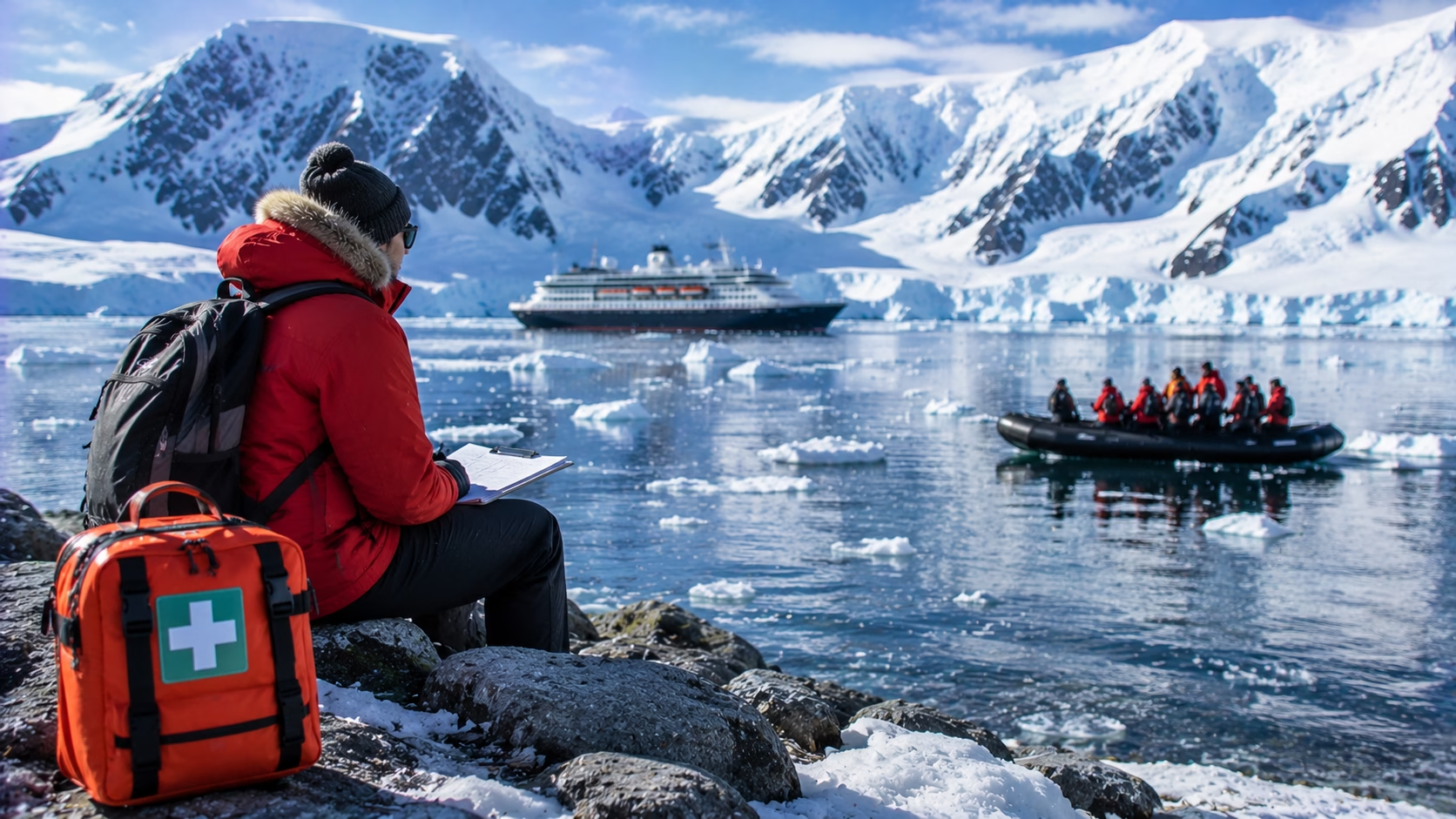
Antarctica is one of the most alluring and remote destinations on Earth, a place of pure wilderness and jaw dropping beauty that draws explorers, photographers, and adventure travelers from across the globe. But it is also one of the harshest environments you can possibly visit. A journey here is unlike any other travel experience, it demands not only physical preparation and logistical planning but also robust financial and safety protection.
This article will help you understand everything you need to know about travel insurance for an Antarctic expedition. You will learn why coverage is mandatory, what kind of policies are most suitable, and how to choose the right plan to protect yourself in one of the world’s most unpredictable environments. By the end, you will know how to make informed decisions about your coverage so you can focus on what truly matters—embracing the adventure of a lifetime safely.
Why Travel Insurance Is Non Negotiable in Antarctica
Travel insurance for Antarctica is not just a matter of caution; it is an absolute requirement. Nearly all cruise operators, expedition companies, and tour providers make it a condition of participation. The reason is straightforward: once you cross the Drake Passage, you are hundreds of miles from the nearest hospital, commercial airport, or emergency rescue service. Medical support on board is limited, and evacuation is extraordinarily expensive.
The cost of a medical evacuation from Antarctica can exceed several hundred thousand dollars because it often involves specialized aircraft and coordination between multiple international agencies. Without insurance, such expenses must be paid out of pocket, which could turn a dream trip into a devastating financial burden.
In addition to medical and evacuation coverage, you also need protection for cancellations, lost baggage, or interruptions due to weather—factors that are common in Antarctic travel. The weather here has its own agenda; even the most meticulously planned schedules can shift overnight. Insurance therefore acts as both a safety net and a legal requirement.
Understanding the Key Elements of Coverage
When evaluating policies for travel to Antarctica, travelers often discover that standard travel insurance is not adequate. You need specialized coverage that acknowledges the unique risks of polar travel. Focus on finding plans that include the following essential components:
1. Emergency Medical and Evacuation Coverage
This is the cornerstone of any Antarctic travel insurance policy. Confirm that your plan covers emergency medical treatment and evacuation to the nearest suitable medical facility. The coverage limit should ideally exceed half a million US dollars, given the high potential costs of evacuation from such a remote region.
2. Trip Cancellation and Interruption
Antarctica’s weather can change in an instant, often resulting in postponed or canceled sailings from Ushuaia or Punta Arenas. Choose a policy that reimburses you if your trip is canceled or interrupted due to factors like extreme weather, mechanical issues, or illness before departure.
Related Posts:


3. Travel Delay and Missed Connection Coverage
Because your journey to Antarctica often involves multiple connecting flights and a fixed departure schedule, delays can have major consequences. Travel delay coverage helps reimburse expenses like new flight arrangements, hotel stays, or meals while you wait for your next available connection.
4. Baggage and Equipment Protection
Losing cold weather gear or photographic equipment can severely impact your trip. Ensure the policy covers delayed, lost, or damaged baggage and, if necessary, consider adding extra coverage for expensive camera or expedition gear.
5. Adventure and Activity Coverage
Antarctic itineraries often include adventurous excursions—such as kayaking, snowshoeing, or even polar plunges. Verify that your policy includes adventure sports coverage, since many standard plans exclude activities that are considered high risk.
How to Choose the Right Insurance Provider
Selecting a suitable provider is about more than just comparing prices. You are purchasing peace of mind for a very specific journey. Look for companies that specialize in expedition or adventure travel coverage and have experience handling claims in remote destinations.
When reviewing potential insurers, consider:
- Reputation and reliability: Read reviews and seek feedback from past Antarctic travelers. Expedition companies often recommend trusted providers that have proven experience with polar claims.
- Support and response time: In Antarctica, every minute matters during an emergency. Choose companies that operate 24 hour emergency hotlines staffed by multilingual teams familiar with remote logistics.
- Policy flexibility: Some insurers allow you to add optional extras like pre existing condition waivers or equipment coverage. Evaluate these based on your personal needs and the nature of your trip.
Do not assume your annual travel policy automatically includes Antarctic coverage. Most do not, so always confirm that the region is covered specifically by name.
When to Purchase Your Policy
Timing matters more than you might think. Ideally, buy your travel insurance immediately after making the initial booking and paying your deposit. This ensures you are protected from unexpected cancellations or changes that may occur long before departure. If you wait until the last moment, you may lose eligibility for certain benefits, including coverage for pre-trip cancellation or pre-existing medical conditions.
Comprehensive coverage also protects you from unforeseen global events such as airline strikes, political disruptions in connecting cities, or last-minute itinerary modifications from your operator. The earlier you are protected, the more you can relax as you prepare for the adventure ahead.
Additional Practical Tips Before You Depart
Before setting sail for the White Continent, take the time to carefully review your insurance documentation. Confirm that every section meets your needs and that contact details for emergencies are accessible both in print and digital format. Leave a copy with a family member or close friend so they can coordinate on your behalf if necessary.
- Carry physical and digital copies of your policy documents and ID.
- Store the insurer’s international hotline number in your phone and written in a waterproof notebook.
- Keep receipts for every significant purchase, medical visit, or delay for smoother claims later.
- Update your tour operator with your policy details so they can coordinate in case of emergency evacuation.
Small details like these can save you time, stress, and effort if anything goes wrong during your expedition.
Final Thoughts: Protecting Your Bucket List Adventure
Traveling to Antarctica is an extraordinary privilege, few places remain as untouched and dramatic. The experience of carving through icy waters, standing amidst colonies of penguins, and gazing at massive glaciers is life changing. But this remoteness also demands responsibility. Adequate travel insurance ensures that should the unexpected happen, your dream remains intact rather than becoming a financial or medical ordeal.
Invest the time to research, compare, and understand every aspect of your policy before setting foot on your expedition vessel. With the right protection in place, you can fully embrace the rare, humbling beauty of Antarctica knowing you are prepared for every possibility.
Further Reading
Best Beaches in Southern Europe
Cheapest Countries to Visit in Africa
Travel to Somalia; How I Traveled to Mogadishu