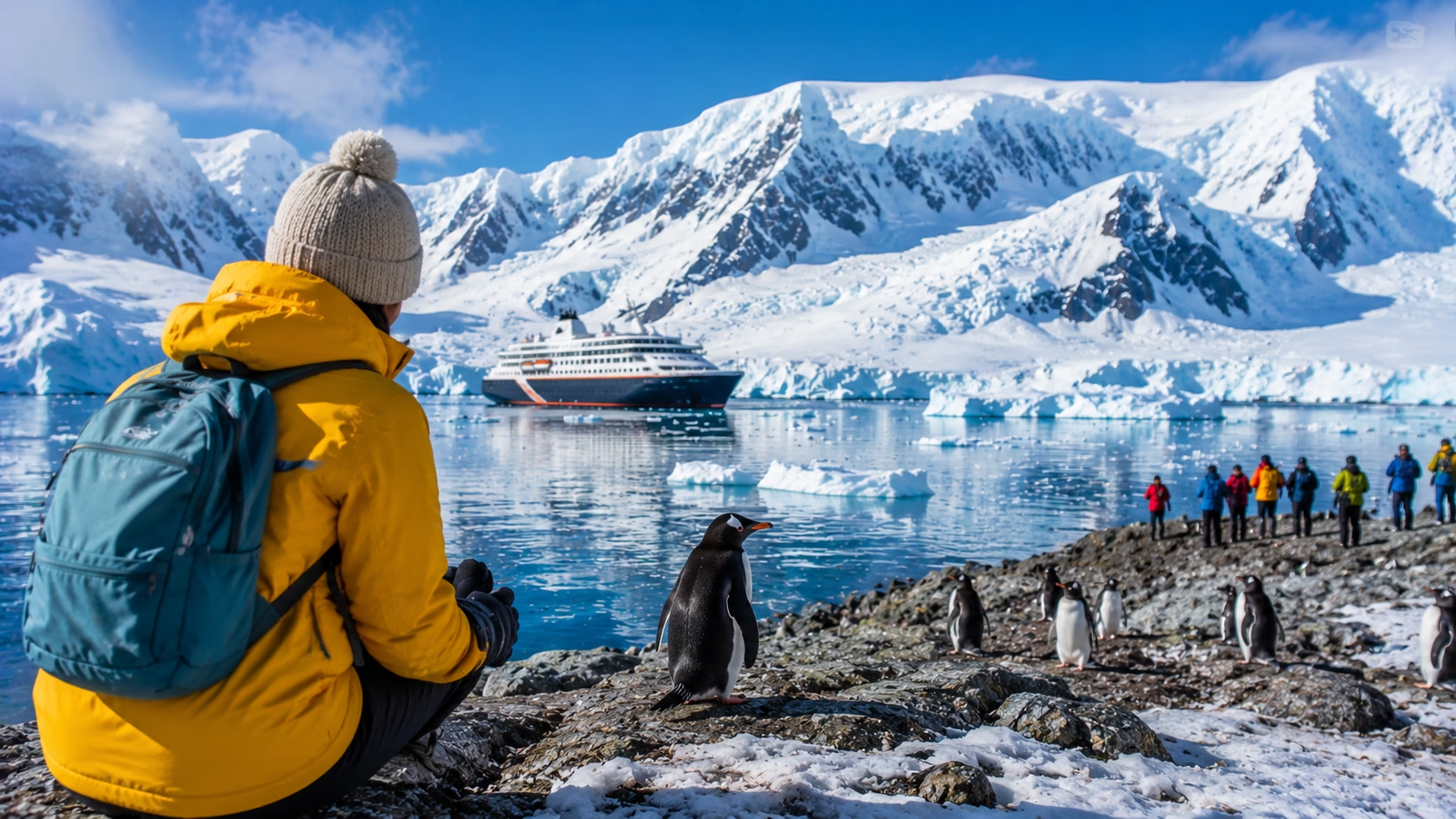
Antarctica stands as one of the last untouched places on Earth, a continent of infinite whiteness and extraordinary wildlife that inspires the imagination of travelers from every corner of the world. Yet for all its dramatic beauty, Antarctica is also one of the most fragile environments on the planet. Visiting this polar wilderness is not like taking an ordinary trip; it carries with it a profound responsibility to preserve its pristine ecosystems for generations to come.
- Travel only with IAATO certified operators who limit landings, brief visitors, enforce leave no trace policies, and follow Antarctic environmental protocols.
- Pack sustainably: avoid single use plastics, bring reusable gear and eco friendly toiletries, and consider carbon offsets for flights and ship voyages.
- Respect wildlife: keep safe distances, never feed or touch animals, follow designated paths, avoid noise, and never remove natural objects as souvenirs.
- Prevent pollution and invasive species: carry out all waste, use ship sanitation systems, and clean and disinfect boots and equipment between landings.
This guide explores the essential environmental guidelines for anyone planning to visit Antarctica. You will learn how to minimize your impact, respect local wildlife, and follow the standards established by international agreements and responsible tour operators. By the end, you will have a clear understanding of how to experience Antarctica ethically and sustainably, ensuring that its icy majesty remains unspoiled.
Understanding Antarctica’s Environmental Importance
Antarctica is a land of extremes. It holds about seventy percent of the world’s fresh water, locked in its vast ice sheets, and its surrounding oceans are central to global climate regulation. Because of its isolation and harsh conditions, even minor disturbances here can have long lasting effects.
- Biodiversity under pressure: Only a handful of species—penguins, seals, whales, and a few hardy plants and mosses—have adapted to survive. Any human interference, whether direct or through pollution, can disrupt these delicate food webs.
- The impact of climate change: Rising temperatures and melting ice are already reshaping this ecosystem. Visitors need to be conscious of their carbon footprint and avoid contributing further to this crisis.
- A protected continent: The Antarctic Treaty, signed in 1959 and supported by many countries, designates the continent as a natural reserve devoted to peace and science. Visitors must comply with its environmental protocols and protective measures.
Understanding these fundamentals is the first step toward being a responsible guest in the world’s most remote wilderness.
Preparing for a Low Impact Journey
Responsible travel to Antarctica begins long before you set foot on the ice. The choices you make in planning, packing, and selecting a tour operator all affect how sustainable your experience will be.
Choose Certified Operators
All travelers must visit Antarctica through authorized operators who are members of the International Association of Antarctica Tour Operators (IAATO). These companies adhere to strict environmental and safety standards, ensuring that each trip preserves the continent’s natural integrity. Before booking, verify that your chosen company is IAATO certified.
Certified operators limit the number of passengers allowed ashore at any one site, provide educational briefings, and enforce “leave no trace” policies.
Pack with Purpose
Every item you bring has an environmental cost. Avoid disposable materials and focus on gear designed for longevity.
Related Posts:
- Use reusable water bottles and avoid single use plastics.
- Bring eco friendly toiletries that will not harm the water system.
- Stick to neutral colored clothing to minimize visual impact around wildlife.
- Choose energy efficient electronic equipment with rechargeable batteries.
Carbon Offsetting
Flights and ship voyages to polar regions are energy intensive. Consider contributing to programs that offset your carbon emissions through renewable energy or reforestation initiatives. Several responsible tour operators now include optional carbon offset packages in their bookings.
Respecting Wildlife and the Fragile Ecosystem
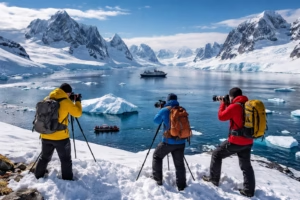
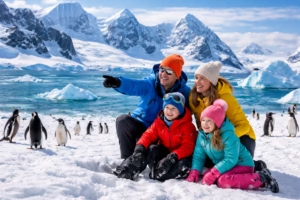
One of the highlights of any Antarctic trip is the extraordinary opportunity to observe wildlife up close. From emperor penguins to majestic humpback whales, these encounters can be life changing. However, visitors must always remember that they are entering the animals’ territory. Strict behavioral guidelines are in place to protect both animals and humans.
Keep a Respectful Distance
Never approach, feed, or touch wildlife. Maintain a safe observational distance as instructed by your guides. Even seemingly harmless interference can cause stress or alter animals’ natural behaviors such as breeding and feeding.
Follow Assigned Paths
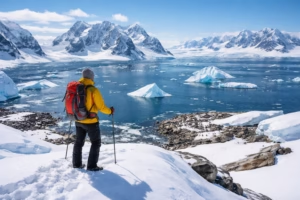
Stick to designated walking routes and landing zones. Straying from these paths can crush fragile moss beds or disturb nesting grounds that take years to recover.
No Souvenirs from Nature
Do not pick up rocks, feathers, or shells as keepsakes. Removing even small natural objects disrupts the ecosystem. Take photographs instead, capturing memories without altering the landscape.
Quiet Observation
Limit noise around colonies and on boats. Loud sounds can frighten animals or cause disorientation. Enjoy the rare silence of the Antarctic world—one of its most magical qualities.
Waste Management and Pollution Prevention
In an environment where decomposition is extremely slow, waste management is a major concern. Every gram of rubbish must be carefully controlled.
Leave Nothing Behind
The IAATO rules require all waste generated by visitors to be transported back to the ship and properly disposed of outside the continent. Food scraps, packaging, and personal waste must never be left on site. Even biodegradable items can disrupt the ecosystem.
Use Designated Sanitation Systems
Ships are equipped with waste treatment systems that prevent contamination of the marine environment. Visitors should never discard anything overboard, not even organic waste or wastewater.
Cleaning Gear Between Landings
To avoid the spread of invasive species, clean and disinfect boots, clothing, and equipment before each landing. Most operators provide biosecurity stations, but personal attention is essential. Even seeds or bacteria carried unnoticed on a boot sole can create ecological imbalance.
Contributing to Conservation and Education
Travel to Antarctica is not just about sightseeing; it is an opportunity to support conservation, education, and research.
Participate in Citizen Science
Many expeditions offer the chance to assist with data collection, such as photographing whale sightings or recording seabird numbers. Contributing to these efforts deepens your understanding of the environment and provides valuable information to scientists monitoring climate change.
Learn from Onboard Lectures
Most expedition vessels host expert lecturers in environmental science, glaciology, and marine biology. Attend these sessions to enrich your knowledge and gain insight into the ongoing challenges facing the region.
Share Awareness Responsibly
When you return home, share your experience thoughtfully. Promote understanding of Antarctic conservation and inspire others to respect the planet’s wild places. Responsible storytelling can influence broader change.
Conclusion
Antarctica is far more than a travel destination; it is a reminder of what the Earth was before human influence. By following the established environmental guidelines, visitors become part of an international effort to keep it that way. Responsible tourism ensures that future explorers can experience the same pristine landscapes, thriving wildlife, and profound stillness that define this remarkable continent.
When you travel with awareness, you do more than fulfill a dream—you protect the last great wilderness on Earth. Every respectful choice you make leaves a positive mark that goes beyond your journey.
Further Reading
Best Beaches in Southern Europe
Cheapest Countries to Visit in Africa
Travel to Somalia; How I Traveled to Mogadishu
Free Family Things to do in Chicago Today
How to Spend Four Days in Hong Kong