Introduction
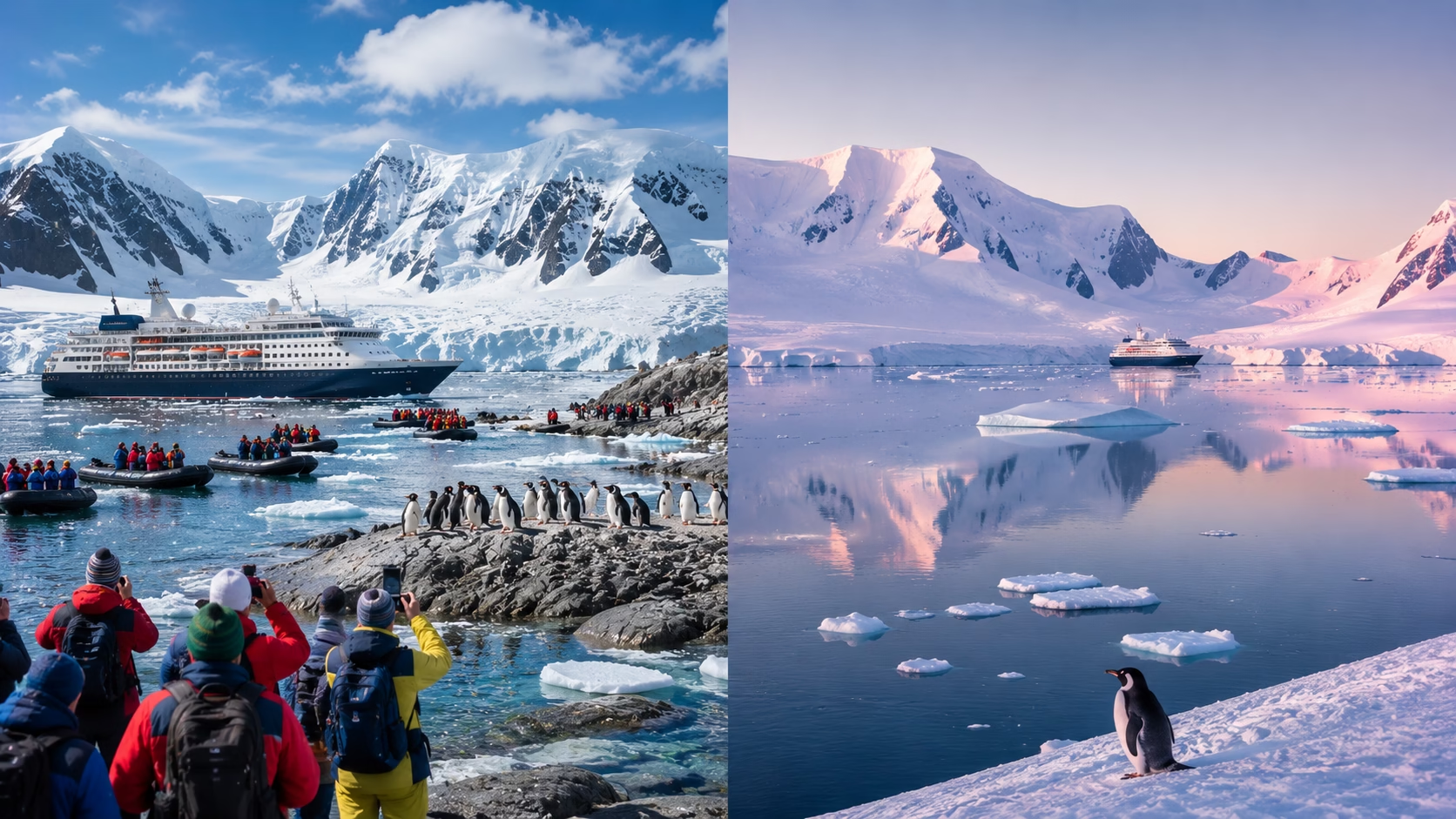
Antarctica is one of the most extraordinary destinations on earth. The very name conjures images of vast white landscapes, shimmering glaciers, curious penguins, and the haunting silence of the frozen continent. For many travelers, setting foot on Antarctica is the ultimate adventure, an experience that feels both remote and deeply humbling. Yet, like anywhere else in the world, timing matters. The time of year you choose to visit can dramatically shape your experience, from the wildlife you see to the weather you endure.
- Peak season in December and January offers abundant wildlife, milder weather, long daylight, and the most reliable landings.
- Early season delivers pristine ice and dramatic landscapes, nesting penguins, colder weather, and fewer landing options.
- Late season offers solitude, soft golden light, active whales, but reforming sea ice and fewer itineraries.
- Choose season by priorities, book well in advance for peak travel, and pick ship type to match comfort and landing frequency.
In this detailed guide, we will explore the crucial differences between traveling to Antarctica during the peak season and the off season. You will learn what each period offers, how the conditions change, what wildlife is present, and what practical factors to consider when planning your expedition. Whether you want mild weather and abundant animal sightings or solitude and raw, dramatic landscapes, understanding Antarctica’s seasonal rhythms can help you plan the journey of a lifetime.
Understanding Antarctica’s Travel Seasons
Antarctica’s travel window is surprisingly short. Most expeditions occur between late October and early March, when sea ice recedes enough for ships to reach the continent. Outside this range, the region becomes virtually inaccessible due to darkness, fierce winds, and impassable ice.
The season can be roughly divided into three parts:
- Early Season (October to November) – Often referred to as the shoulder season or off season, this period offers pristine landscapes and the first glimpses of wildlife returning after winter.
- Peak Season (December to February) – The heart of the Antarctic summer, when temperatures are mildest, days are longest, and animal life thrives.
- Late Season (March) – A quieter time with fewer visitors and dramatic icy sunsets, marking the end of the travel season.
Understanding the distinctions between these periods is key to choosing the right time based on your travel expectations, photography goals, and tolerance for the extreme environment.
The Allure of Peak Season Travel
Weather and Accessibility
Peak season, spanning December, January, and early February, offers the most stable conditions of the year. Average temperatures hover around freezing, which feels almost balmy compared to the deep winter cold. Sea ice retreats significantly, allowing ships to access more sites along the Antarctic Peninsula and sometimes even venture into the Weddell or Ross Seas.
Calmer seas and longer daylight hours make this an ideal time for exploration. Land excursions are more predictable, and zodiac landings are more frequent. Travelers can hike up icy ridges, explore research stations, and experience the surreal 24-hour sunlight that bathes the continent in a constant glow.
Wildlife Encounters
Wildlife activity peaks during these months. Colonies of penguins swell with adults tending their chicks, while seals bask lazily on floating ice. Whales arrive in large numbers, feeding in nutrient-rich waters, and birdlife is abundant with petrels and skuas circling the skies.
Related Posts:
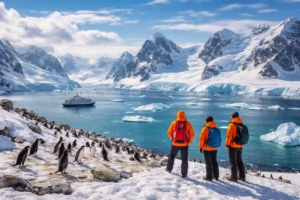
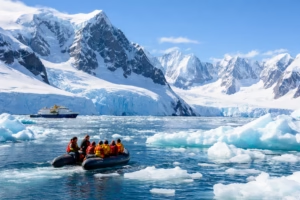
For photographers, this is the season when Antarctica comes alive with color and movement. There are countless chances to capture moments that reveal the continent’s vitality—whether it’s a gentoo penguin feeding its chick or a humpback whale’s tail breaking the icy waters.
Pros and Considerations
Advantages
- Greatest variety of wildlife sightings
- Extended daylight, up to 20 hours or more
- Most reliable weather for landings and cruising
- Access to a broader range of itineraries and destinations
Considerations
- Higher prices due to strong demand
- Ships and landing sites may feel busier
- Need to book well in advance, often six to twelve months before departure
The Beauty of Off Season Exploration
While most travelers choose the mid-season months, the shoulder periods offer a rare kind of beauty and solitude that appeals to photographers, naturalists, and adventurers seeking something truly different.
Early Season (October to November)
This is when the frozen wilderness wakes from winter’s grip. Massive icebergs dominate the seascape, still polished and blue from months of compression. Snow covers nearly everything, giving Antarctica a pure, untouched look that photographers find irresistible.
Penguins begin their nesting rituals, returning in noisy groups to build nests and claim territories. Although temperatures are colder, the scenery is often considered the most dramatic, with massive snowdrifts and unbroken ice sheets offering scenes few visitors witness later in the season.
Visiting in early season means braving more unpredictable weather and limited landing options, but the reward is seeing an Antarctica that feels completely wild and newborn.
Late Season (March)
Late season voyages have a different charm. By this time, penguin chicks are growing rapidly, learning to swim, and testing their independence. Whales are especially active, gathering in large pods to feed before heading north. The soft golden light of late summer paints the landscapes in shades of orange and pink, making for breathtaking photography.
However, by late March, temperatures drop sharply and sea ice begins to reform, restricting some routes. Fewer trips operate, but travelers who go during this time enjoy quieter excursions and a stronger connection with the environment.
Pros and Considerations
Advantages
- Fewer travelers and a stronger sense of solitude
- More atmospheric lighting and dramatic ice conditions
- Early season offers untouched snow; late season offers vibrant whale activity
- Discounts and occasional last-minute availability
Considerations
- Colder weather and more restricted landing options
- Rougher seas and potential schedule adjustments
- Some wildlife, especially penguins, may be less visible at certain sites
Practical Considerations for Choosing Your Season
Selecting when to go involves more than just weather preferences. It is about aligning your interests, comfort level, and priorities with what the continent offers at each stage.
- For Wildlife Watching: Choose December or January for the full spectacle of penguin chicks, seal pups, and migrating whales.
- For Ice and Photography: Opt for October or November for crisp conditions and gleaming, undisturbed landscapes.
- For Tranquility and Reflection: March offers serenity and some of the most ethereal light of the season.
- For Budget Conscious Travelers: Early and late season trips can offer better value, but flexibility and preparedness for unpredictable conditions are essential.
Travelers should also consider ship type and itinerary. Larger vessels offer more stability but fewer landings per day, while smaller expedition ships allow more intimate exploration. Booking through a reputable polar operator is critical to ensure safety and environmental responsibility, since the conditions are extreme and regulations are strict to protect the fragile ecosystem.
Conclusion
Antarctica’s seasons are not quite like anywhere else on earth. There is no wrong time to visit, only different ways to experience its wonder. The peak season welcomes you with abundant wildlife, milder days, and world-class expeditions, while the off season opens a quieter world of serenity and untouched beauty.
Your choice depends on what speaks to you more—lively colonies and bright sunlight or solitude and profound silence across endless white horizons. Whatever you choose, an Antarctic journey will change the way you see the planet. It is not only a trip to the end of the earth but an exploration of nature in its purest form.
Further Reading
Best Beaches in Southern Europe
Cheapest Countries to Visit in Africa
Travel to Somalia; How I Traveled to Mogadishu
Free Family Things to do in Chicago Today
How to Spend Four Days in Hong Kong