Introduction
Antarctica is one of the most mysterious and awe inspiring destinations on Earth, a place so remote and untouched that visiting feels almost otherworldly. Yet despite its icy isolation, more travelers than ever are venturing to the White Continent in search of magnificent wildlife, surreal landscapes, and once in a lifetime adventure. Planning a journey here, however, requires a deep understanding of the continent’s seasonal rhythm. Unlike most destinations, Antarctica’s travel window is short, its climate extreme, and its conditions constantly shifting.
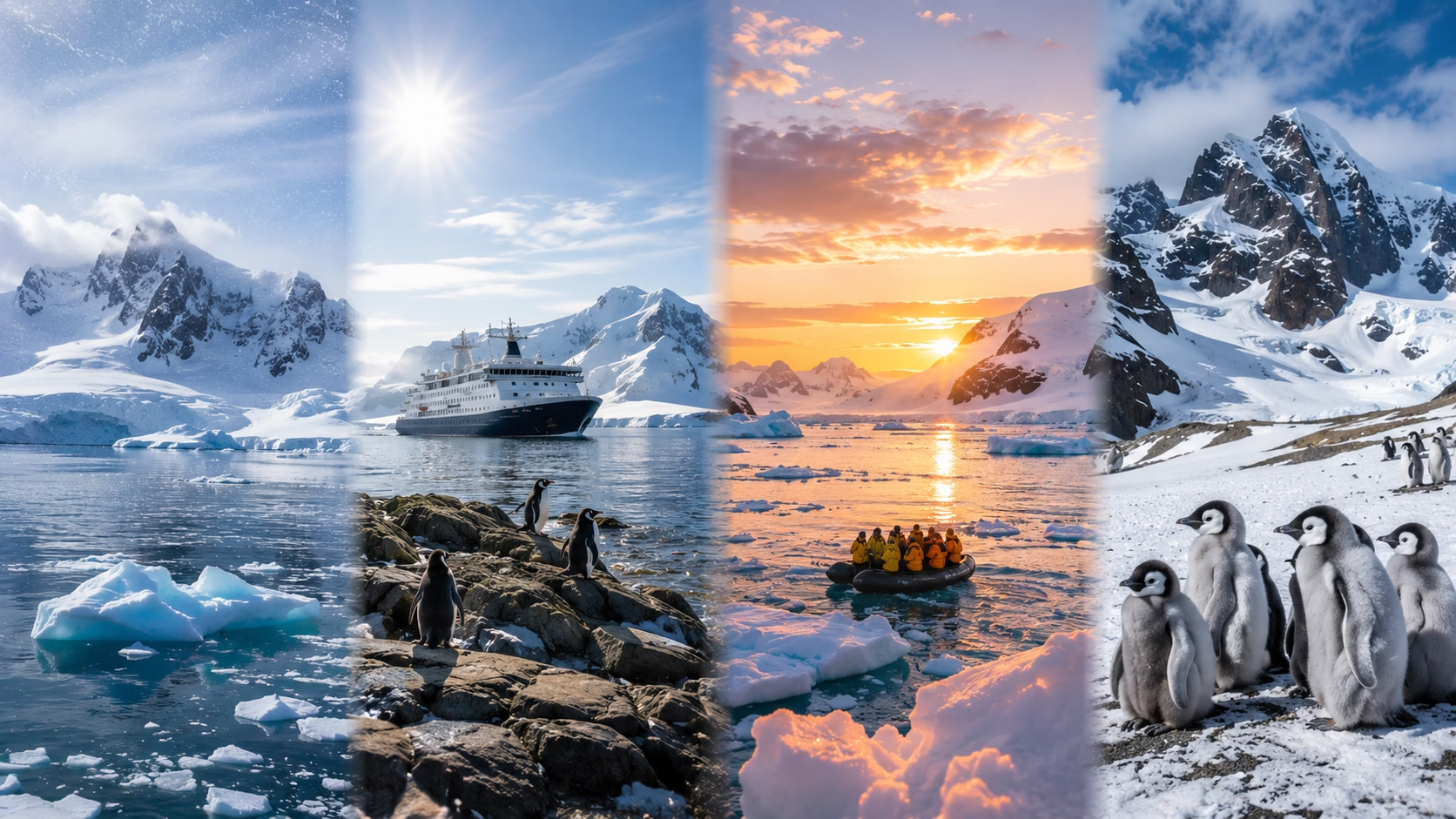
- Travel season runs late October through early March; access depends on ice and weather, with expedition cruises from southern ports and no regular tourist flights.
- Late spring from October to November offers sculptural ice, fresh snowfields and penguin courtship; fewer visitors but colder temperatures and possible itinerary limits.
- High summer December and January bring warmer temperatures, penguin chicks, better access for zodiacs, kayaking and camping, rising whale sightings and peak crowds.
- Late summer February to early March offers prime whale watching, fledgling penguins and seal pups, deeper southern exploration and golden twilight for photographers.
In this guide, you will learn how to choose the perfect time to visit Antarctica. We will explore the distinct character of each part of the Antarctic travel season, what you can expect to see, and the kind of experiences available month by month. By the end, you will be able to plan your expedition with confidence and match your expectations with the realities of traveling to the bottom of the world.
The Antarctic Travel Window
Antarctica’s travel season runs from late October through early March, roughly corresponding to the Southern Hemisphere’s summer. During these months the ice begins to break up enough for ships to navigate, the wildlife becomes most active, and daylight can last for nearly twenty four hours in some regions.
There are no regular flights for tourists to Antarctica beyond seasonal expeditions, and the continent’s accessibility depends entirely on weather and ice conditions. Expedition cruises depart mainly from Ushuaia in southern Argentina or Punta Arenas in Chile, as well as smaller ports in New Zealand and South Africa. Outside this narrow window, sea ice closes the passageways, temperatures plummet far below freezing, and tourism halts completely.
Within this short season lies a fascinating evolution of life and environment. Each part of the Antarctic summer offers different advantages, from pristine ice floes to playful penguin chicks and calm seas for kayaking.
Late Spring: October to November
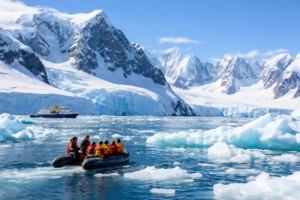
Late October marks the start of the Antarctic travel season. The pack ice is still retreating, which means early expeditions get to experience dramatic landscapes of gleaming ice and untouched snowfields.
Why visit during this period
- Striking scenery: This is the most visually pristine time of the year. The snow is fresh, and the landscapes appear clean and bright. Icebergs are at their most sculptural, catching the light in endless shades of white and blue.
- Breeding wildlife: Penguins begin their courtship rituals, which is a charming spectacle of calls, bowing, and nest building. You might witness the early stages of mate selection among Adélie, Gentoo, and Chinstrap penguins.
- Lower visitor numbers: This is an ideal period for photographers or travelers seeking solitude and quiet reflection. The atmosphere feels untouched, with fewer ships sailing compared to peak months.
However, travelers during this time should be prepared for colder temperatures and possible limitations in itinerary flexibility due to thicker ice in some regions.
Related Posts:
High Summer: December to January
December and January represent the heart of Antarctica’s summer. These are the warmest months of the year, with daytime temperatures occasionally rising above freezing, long hours of sunlight, and wildlife activity at its peak.
What to expect
- Penguin chicks hatching: Colonies come alive with the sight of freshly hatched chicks being cared for by their parents. Observing these moments feels magical and deeply humbling.
- Gentle seas and better access: Ice has melted enough for expedition ships to reach more remote areas such as the Weddell Sea and the South Shetland Islands. Zodiac excursions, kayaking, and camping onshore become popular and more reliable.
- Whale sightings begin: Humpback and minke whales start to arrive to feed on krill-rich waters, often gliding near the ship in memorable encounters.
On the other hand, this is also the busiest and most expensive time to travel. Cabins sell out early, and popular routes are heavily booked. Yet the combination of wildlife abundance, sunlight, and relative comfort make this the most popular time for first time visitors.
Late Summer: February to Early March
As summer begins to fade, the wildlife calendar enters another extraordinary phase. Ice continues to melt, offering unprecedented access to far southern regions, while animals prepare for the colder months ahead.
Reasons to travel during this period
- Prime whale watching: February and early March are exceptional for spotting humpback, minke, and even orca whales. The nutrient rich waters draw them close to the surface, often putting on astonishing feeding displays.
- Fledgling penguins: Young penguins are leaving their nests and learning to swim, filling the colonies with vibrant energy. Seal pups also become visible, especially around the Antarctic Peninsula.
- Deeper exploration: Ships can access areas blocked earlier in the season. Some expeditions reach the Polar Circle or sail through less visited channels filled with glittering pack ice.
- Glorious sunsets and soft light: The return of twilight gives landscapes a golden glow, perfect for photographers seeking contrast and drama.
Late summer travel offers a more mature, reflective experience. While temperatures remain tolerable, travelers sense the season drawing to a close, lending an atmosphere of rarity and farewell to the journey.
Understanding the Climate and Daylight
Even during summer, Antarctica’s environment is extreme. Temperatures hover from minus two to plus five degrees Celsius on the coast, and winds can be fierce. Packing proper gear is essential, as weather can change abruptly. Expedition operators typically provide waterproof outerwear, but layers, gloves, and thermal boots are a must.
From November through January, daylight can be near constant, making it possible to explore at all hours. By February and March, the light softens and nights slowly return, offering different photographic moods. Understanding how light evolves across the season can help travelers capture the character of the continent across its subtle monthly transformations.
Choosing Your Perfect Time to Visit
Selecting the best time to visit Antarctica depends on what you hope to experience most.
- For untouched landscapes and a feeling of discovery, choose late October to November.
- For peak wildlife interactions and warmer temperatures, travel from December to January.
- For whale watching, young animals, and vivid sunsets, February to March provides the richest rewards.
Also consider personal preferences for crowd levels, cost, and comfort. Each segment of the season offers unique gifts, and there is no truly wrong choice when it comes to this remarkable destination.
Conclusion
Antarctica does not follow the travel patterns of other places. Its beauty unfolds in a rhythm of ice and sunlight, life and silence. Whether you witness nesting penguins on early season snowfields or watch whales breach beneath glowing summer skies, every moment feels rare and unrepeatable. Understanding the Antarctic travel seasons allows you to align your expectations with the continent’s natural cycles, ensuring that your expedition becomes more than a journey of distance, it becomes a journey of connection.
For those who thrive on adventure and wonder, there is no destination on Earth quite like Antarctica. The continent requires patience, planning, and curiosity, but it rewards travelers with memories that will remain vivid long after the ice fades from view.
Further Reading
Best Beaches in Southern Europe
Cheapest Countries to Visit in Africa
Travel to Somalia; How I Traveled to Mogadishu
Free Family Things to do in Chicago Today
How to Spend Four Days in Hong Kong