Antarctica has long held a special allure for travelers with an adventurous spirit. It is a land of ice and mystery, where the horizon glows with pure light and the silence is so complete it feels otherworldly. Yet for all its breathtaking beauty, Antarctica is also one of the most extreme environments on the planet. Understanding its climate is essential for anyone planning to set foot on this frozen continent.
- Expect extreme cold, very low humidity, and powerful katabatic winds that can change conditions quickly.
- Travel occurs only in summer; long daylight, active wildlife, and accessible landings from November to March.
- Regional differences matter: Peninsula is milder, interior is frigid and dry, and coastal zones face sudden windstorms.
- Pack layered thermal clothing, waterproof outer shells, goggles and sunscreen, stay hydrated, and follow guides for safety and itinerary changes.
In this detailed guide, you will learn what to expect from Antarctic weather, how different seasons shape the travel experience, and what kind of conditions you must prepare for in order to stay safe and comfortable. Whether you are joining an expedition cruise, visiting a research station, or simply dreaming about seeing penguins on the Antarctic Peninsula, this article will help you understand the climate realities that define the world’s most remote destination.
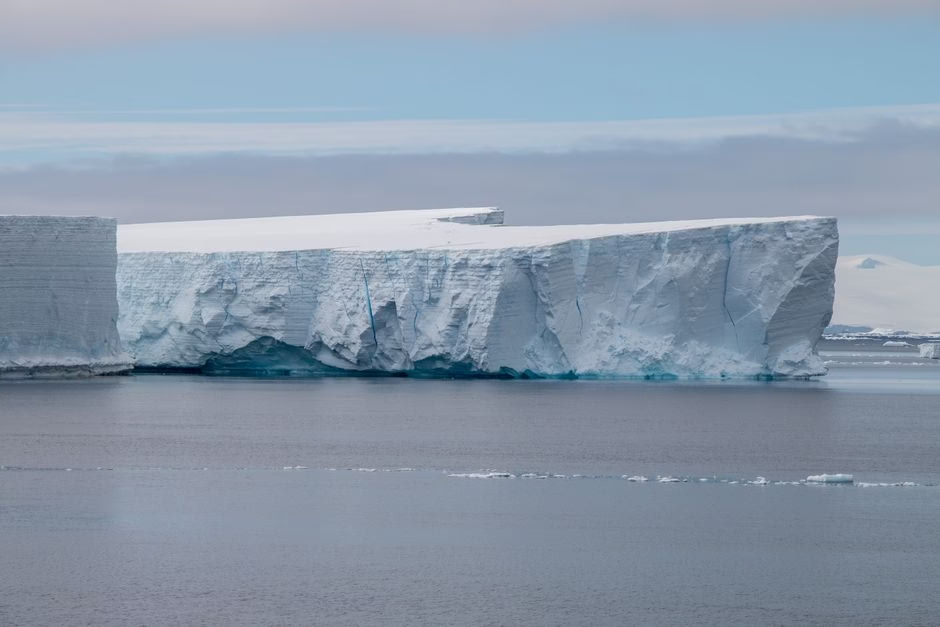
Understanding Antarctica’s Climate: The Coldest, Driest, and Windiest Continent
Antarctica is unique in every climatic measure. Unlike the Arctic, which is an ocean surrounded by continents, Antarctica is a continent surrounded by ocean. This geography traps cold air over the landmass and makes heat exchange with warmer regions minimal.
Extreme Cold:
Average temperatures vary greatly depending on location and season. At the coastal zones where travelers typically visit, summer temperatures usually hover between minus 2 and plus 5 degrees Celsius. In the interior, temperatures can drop well below minus 40 degrees. The cold is persistent and penetrating because the air contains almost no moisture, leading to a dry chill that permeates clothing layers.
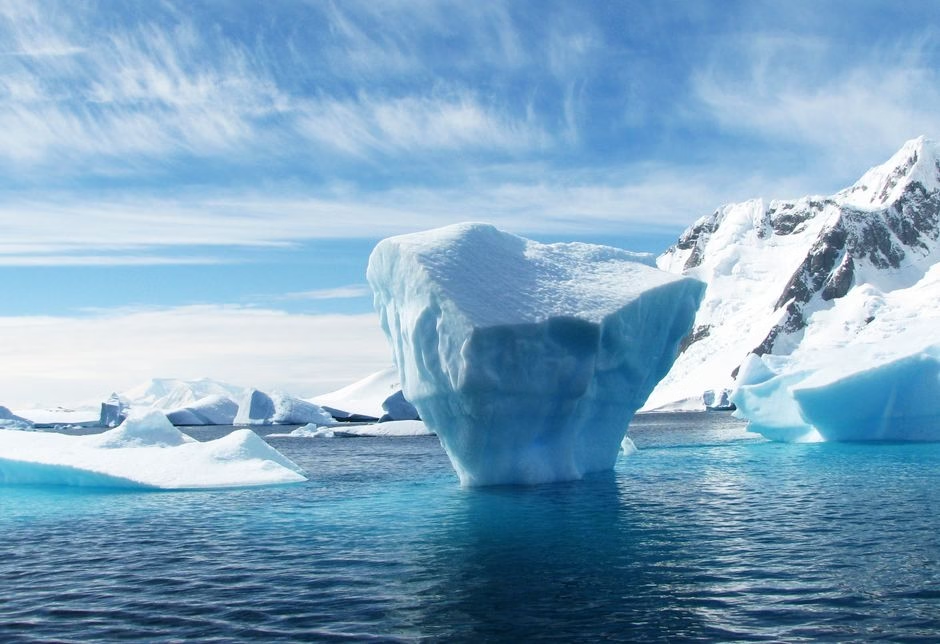
Minimal Precipitation:
Although it looks like an endless desert of snow, Antarctica is technically the driest continent on Earth. The air holds little water vapor, so snowfall is remarkably light. Some regions receive less than 5 centimeters of snow each year. Most of the vast ice sheets were built up over millennia rather than by any modern snowstorm.
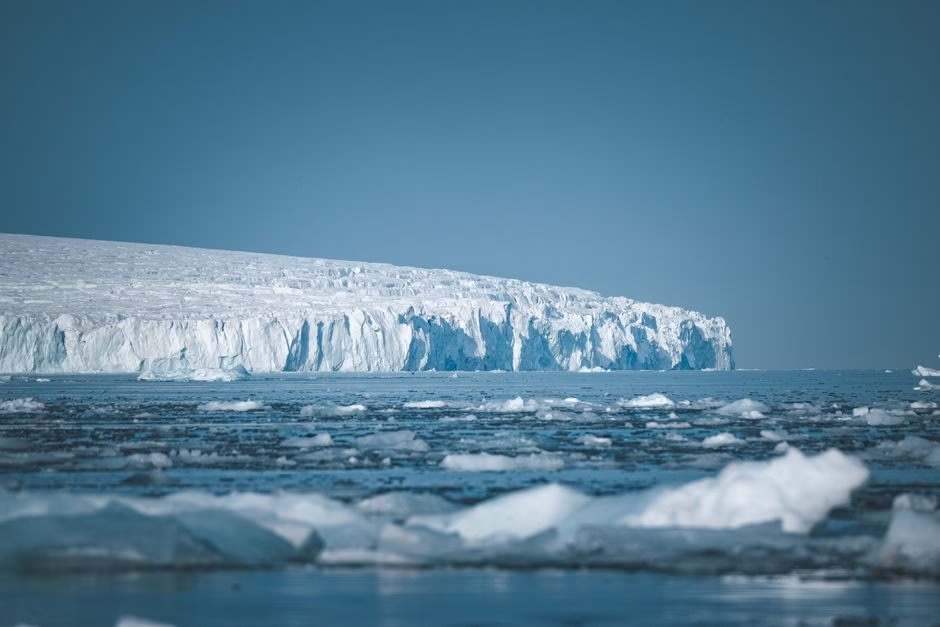
Strong Winds:
Katabatic winds are one of Antarctica’s most defining features. These are powerful gravity driven winds that rush down the slopes from the interior plateau. They can reach speeds over 100 kilometers per hour, especially along the coast and open plains. For travelers, that means sudden gusts, blowing snow, and temperature drops within minutes.
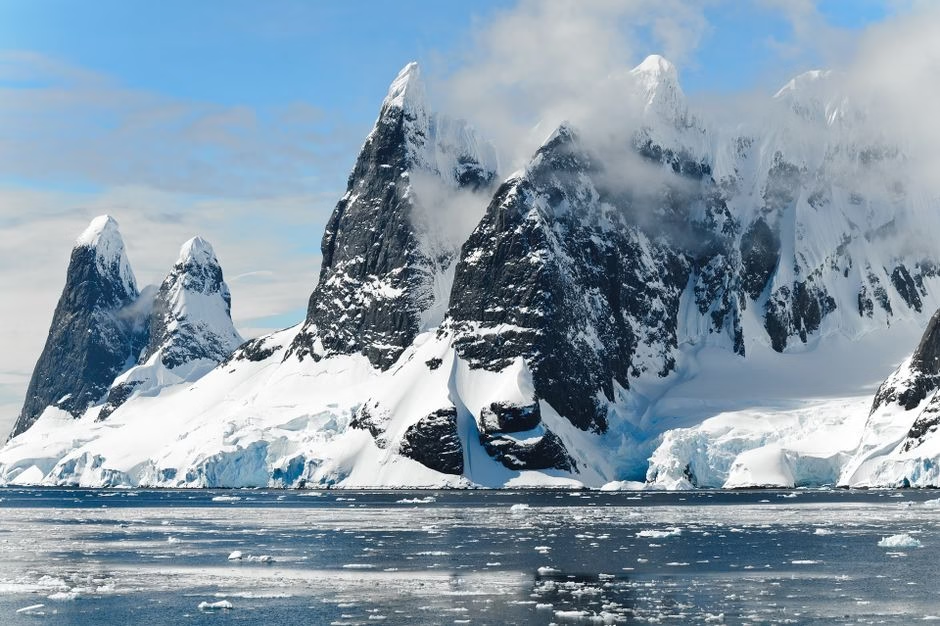
When planning travel, respecting these conditions is crucial. Proper clothing, guided itineraries, and awareness of wind exposure help ensure both comfort and safety on the ice.
Seasonal Overview: When the Antarctic World Comes to Life
The continent experiences only two main seasons: summer and winter. Each season offers vastly different light conditions, wildlife activity, and accessibility. Since virtually all tourism occurs in summer, understanding what happens during each period is essential.
Antarctic Summer (November to March):
This is the only feasible travel season, and even then, it lasts just about five months. During summer, the temperature rises slightly above freezing in many regions, sea ice melts enough to allow ship passage, and the skies remain bright for nearly twenty four hours a day.
Travelers during this period can expect:
- Daylight that Never Ends: The phenomenon of the midnight sun creates surreal golden light that photographers adore. There are no nights, only long twilights.
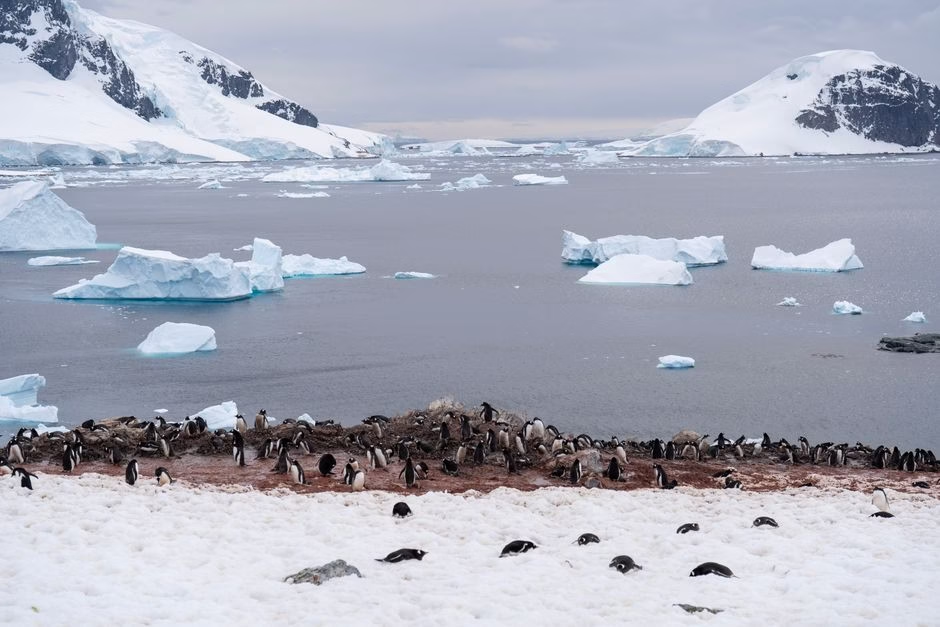
- Wildlife in Full Activity: Penguins nest and hatch their chicks, seals rest on ice floes, and whales arrive to feed on krill-rich waters.
- Accessible Landing Sites: Expedition vessels can reach scientific bases and key wildlife locations along the Antarctic Peninsula.
Still, conditions can change rapidly. A sunny morning may give way to heavy fog or snow flurries by afternoon. Flexibility remains essential.
Antarctic Winter (April to October):
During the long, dark winter, the continent is inaccessible to casual travelers. Temperatures plummet to minus 60 degrees in the interior, the ocean freezes far out from the coast, and months pass in total darkness. This is the season of scientists and support staff, not tourists.
While visitors rarely experience it firsthand, understanding this season’s severity deepens appreciation for how fleeting and precious the travel window truly is.
Regional Variations: The Peninsula, Interior, and Coastal Edge
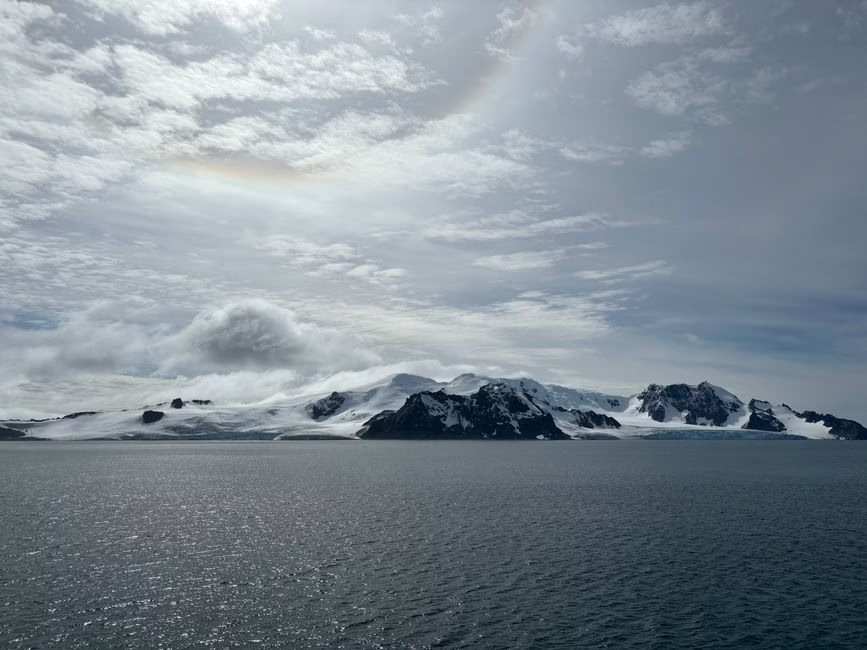
Not all parts of Antarctica share the same climate. Each region has its own conditions shaped by altitude, latitude, and proximity to the ocean.
The Antarctic Peninsula:
This narrow strip of land stretching toward South America is the most visited region. The maritime influence keeps temperatures milder compared to the interior, and summer readings often remain near zero degrees Celsius. Snow and ice persist year round, but the coastal areas allow for landings and scenic exploration.
East Antarctica and the Interior Plateau:
Here lies the coldest part of the planet. The interior rises over three thousand meters above sea level, and the thin atmosphere combined with high reflectivity of snow results in relentless cold. The air is so dry that no humidity clings to hair or skin, giving travelers a sense of vacuum-like stillness. Few expeditions reach this area, but even from afar you feel its dramatic influence on global climate.
Coastal East and West Antarctica:
The coastal regions experience frequent windstorms and the occasional mild spell when sea breezes push in slightly warmer air. Ice shelves such as the Ross and Filchner Ronne form impressive walls of frozen sea, and weather conditions here are unpredictable. Visitors arriving by ship often find themselves waiting for favorable windows before landings can occur.
Preparing for Antarctica’s Climate: Practical Advice for Travelers
Understanding is only half the journey. Proper preparation is what allows travelers to fully enjoy Antarctica’s grandeur while staying comfortable and safe.
- Clothing and Gear:
- Wear thermal base layers and insulating mid layers that wick moisture.
- Choose waterproof outer shells to block wind and ice crystals.
- Pack gloves, face coverings, and goggles to prevent frostbite during icy winds.
- Footwear should be insulated and sturdy enough for icy landings.
- Respect the Weather Forecasts:
Expedition crews monitor conditions continuously. Sudden storms can cause itinerary changes, but this flexibility is part of the experience. Always follow guide instructions and be ready for delays or rerouted landings. - Protect Against the Sun:
Despite the cold, solar radiation is strong due to the reflective surface and thin atmosphere. Use sunscreen, lip balm, and UV-resistant sunglasses daily. - Stay Hydrated and Nourished:
Dry air accelerates dehydration even in cold conditions. Drink regular fluids and fuel up with nutrient-rich meals to maintain energy in the extreme environment. - Mental Preparation:
The stillness and isolation of Antarctica can be overwhelming. Understanding that weather may limit outdoor activity helps travelers maintain patience and appreciation for its raw, untouched nature.
The Reality of Antarctic Weather: Embrace the Extremes
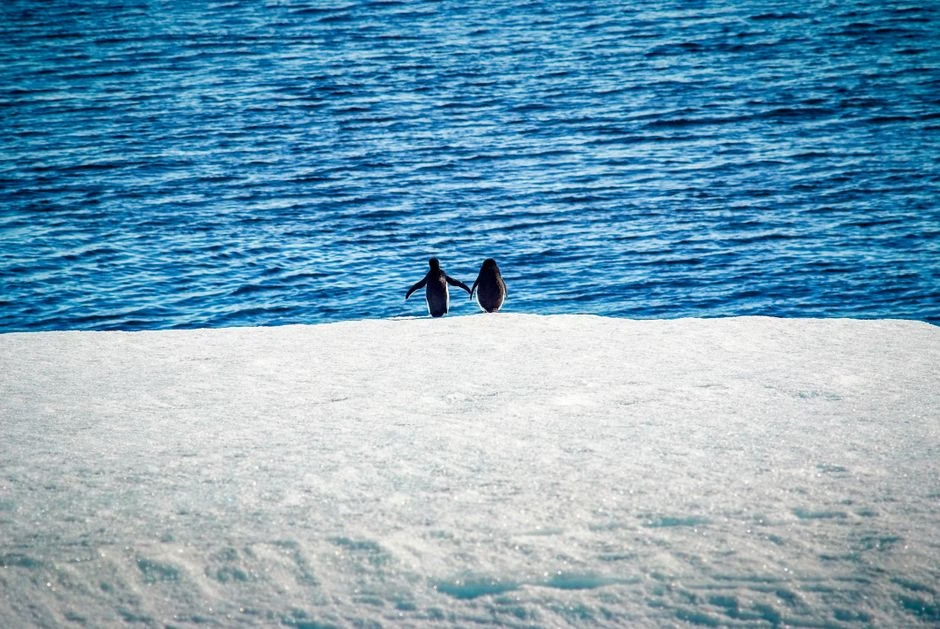
For travelers, the Antarctic climate is far from a simple challenge to endure. It is the essence of what makes this destination so compelling. Every gust of wind, every sparkle of ice crystal in the sunlight, and every burst of blue sky emerging from fog reveals the planet’s raw power. To experience it safely is to witness nature in its purest form.
When you step onto the ice and feel the cold air against your face, you are not just visiting another continent—you are stepping into a world shaped by the climate itself. Understanding these conditions ensures that your journey is not only possible but deeply rewarding.
Conclusion: Respect the Climate and Discover Its Majesty
Antarctica’s climate is challenging, unpredictable, and monumental in scale. It defines the rhythm of life, the timing of travel, and the beauty of the experience. By understanding the continent’s climate conditions, you are far better equipped to appreciate its grandeur safely and meaningfully.
Every successful Antarctic expedition is built on knowledge, preparation, and respect for the environment. When you plan with care and travel with awareness, you are rewarded with an encounter unlike anywhere else on Earth—an experience where courage meets wonder.
Further Reading
Best Beaches in Southern Europe
Cheapest Countries to Visit in Africa
Travel to Somalia; How I Traveled to Mogadishu
Free Family Things to do in Chicago Today
How to Spend Four Days in Hong Kong