Traveling to Antarctica is unlike any other journey on Earth. It is a land of shimmering ice, towering glaciers, and pure wilderness where nature still writes the rules. Yet even this remote continent has a tourist season, and understanding when to go determines not just what you will see, but also how you will experience it. Choosing the right time can be the difference between witnessing colonies of newborn penguin chicks or sailing through seas glistening under the midnight sun.
- Pick your month to match priorities: wildlife, photography, or exploration, since seasons dictate access, daylight, and animal behavior.
- Early season (late October to November) offers pristine ice, dramatic light, and active penguin courtship, appealing to adventure-minded travelers.
- Late season (February to early March) brings abundant whales, fledgling penguins, and expanded exploration as ice retreats, though landscapes may appear muddier.
In this guide, we will dive deeply into the logistics, wildlife, weather, and seasonal highlights that define each month of Antarctica’s cruising season. You will come away with a clear understanding of when to book, what to expect, and how to align your travel desires with the continent’s ever-changing environment.
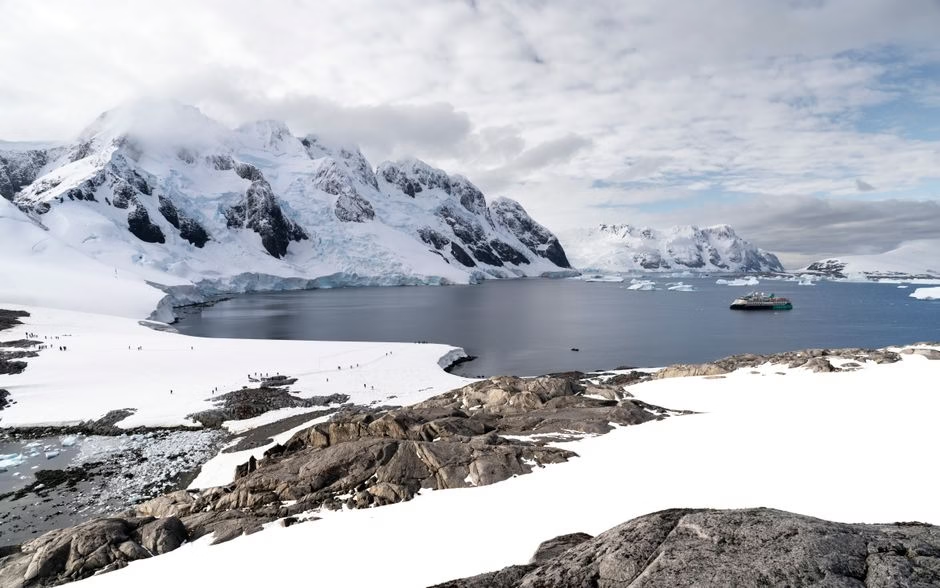
Understanding Antarctica’s Cruise Seasons
Unlike traditional destinations, Antarctica does not offer year-round tourism. Cruises operate only during the austral summer, from late October through early March, when sea ice retreats enough to allow ships to navigate the channels and landings become possible.
Why this timing matters
- Weather accessibility: During this short window, temperatures become bearable, averaging between -2°C and 8°C depending on the month. Wind conditions also ease, making land excursions safer.
- Wildlife patterns: Different periods bring unique animal behaviors, from early season courtship rituals to late-season migration. Understanding this rhythm is key to planning an ideal trip.
- Daylight advantage: Long hours of sunlight, sometimes up to 20 hours per day, create dramatic lighting for photography and maximize expedition activities.
While every voyage is extraordinary, each part of the summer season offers distinct encounters. Let us look at what makes each phase truly special.
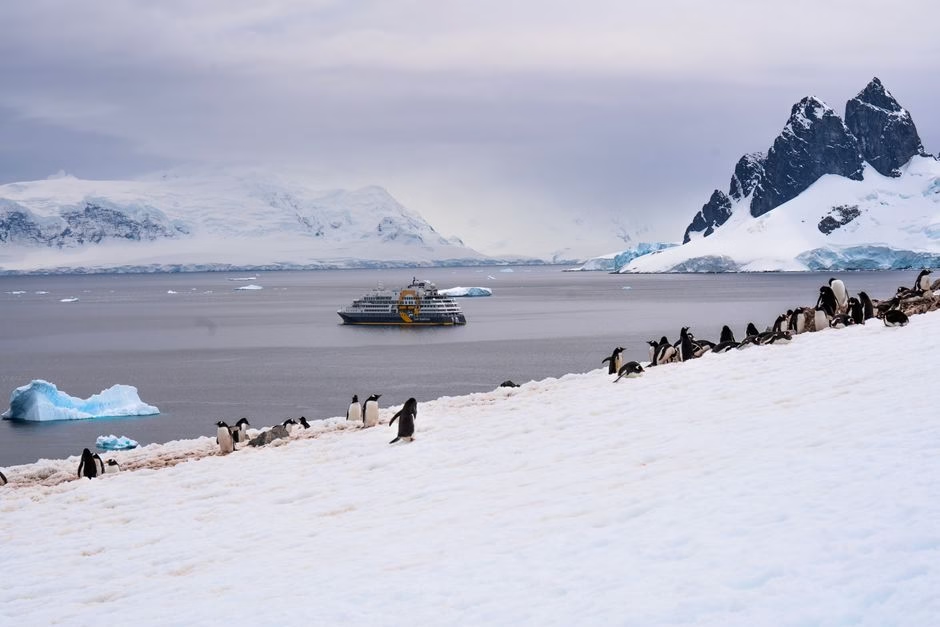
Late October to November: The Awakening of the White Continent
The beginning of the season is when Antarctica feels raw and untouched. Ice is still thick in many areas, lending a true polar expedition feel to the journey.
What to expect
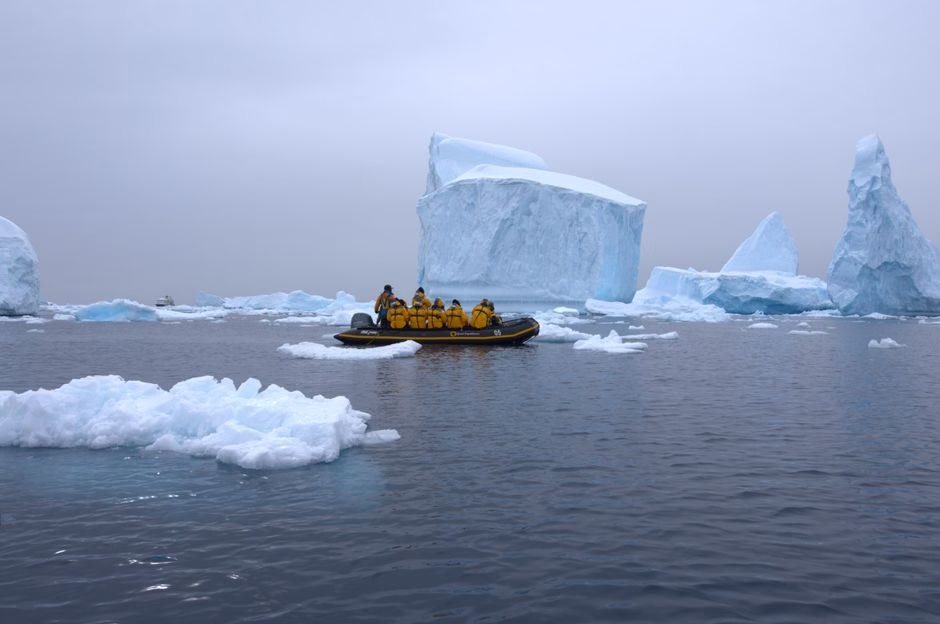
- Majestic ice formations: Early-season travelers can witness enormous icebergs and fast ice still locking the coastline, often creating breathtaking navigational challenges for expedition ships.
- Wildlife activity: Penguins are returning to their colonies and beginning courtship displays. It is a fantastic time for observing large groups of adult birds building nests and engaging in lively behaviors.
- Photography conditions: The low angle of sunlight produces soft, dramatic light that brings out incredible detail and color in the ice.
Considerations: Though stunning, this period can be colder and some itineraries may experience limited access to certain landing sites due to remaining ice. It appeals most to adventure-minded travelers who want to see Antarctica at its most pristine.
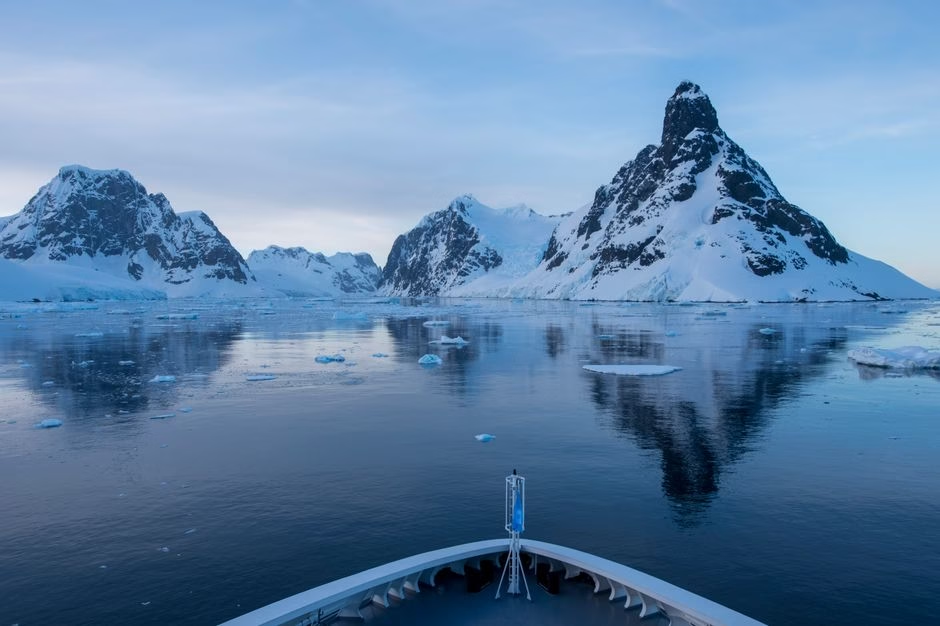
December to January: Peak of the Antarctic Summer
This is the high point of the cruise season. Temperatures are mild by polar standards, wildlife is most active, and the air seems almost alive with energy.
Why this is a favorite
- Penguin chicks hatching: Visitors have a front-row seat to one of nature’s most endearing spectacles—newborn chicks huddled under their parents for warmth.
- Long daylight hours: Nearly 24 hours of sunlight bathe the continent in a surreal glow, perfect for photographers and those who want to maximize their time outdoors.
- Accessible waters: Sea ice has melted considerably, opening remote routes such as the Weddell Sea or Antarctic Circle crossings.
Practical tips: Cruises during this period often sell out early because of demand. Booking at least a year in advance is recommended. Layers remain essential even if the air feels warmer, as winds can still bite sharply once out on deck or during landings.
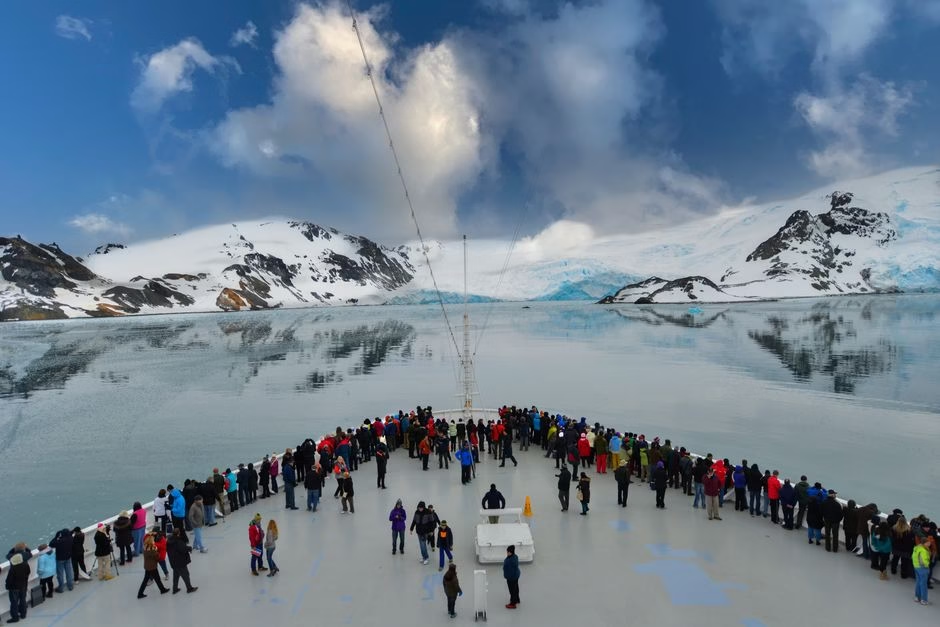
February to Early March: Wildlife Abundance and Deep Exploration
As the season begins to wind down, a sense of calm returns to the region, but wildlife sightings remain extraordinary. The sea is its most navigable, allowing vessels to reach farther south than earlier months.
Highlights of this period
- Whale watching: With plankton blooms spreading through the warming waters, humpback, minke, and orca whales can be seen feeding actively.
- Penguin fledglings: Adolescent penguins start venturing toward the sea, bringing delightful photographic moments of their first clumsy swims.
- Exploration opportunities: Reduced ice cover gives expedition leaders the freedom to explore areas that may have been inaccessible earlier in the season.
Downsides to consider: Snow cover has diminished and landscapes can appear slightly muddier. Still, this is a rewarding time for travelers interested in wildlife encounters and extended exploration rather than pristine icy panoramas.
Factors That Influence the Best Time for You
What qualifies as the “best” time for an Antarctica cruise depends entirely on your personal interests. Consider the following:
- Photography goals: Early season offers dramatic light and intense ice formations, while midseason provides rich wildlife scenes.
- Wildlife preferences: Those drawn to penguins should focus on December and January, while marine life enthusiasts may prefer February when whales are plentiful.
- Adventure level: Early travelers experience the raw, rugged environment, while late-season voyages promise smoother sailing and deeper reach.
- Budget and availability: High season comes at a premium price. Early and late departures can sometimes yield better value while still offering exceptional experiences.
Each traveler must align these factors with personal interests and comfort levels to define what “best time” truly means.
Practical Tips for Planning Your Antarctica Cruise
Planning an Antarctic expedition takes careful research and flexibility. Here are key insights from experienced polar travelers:
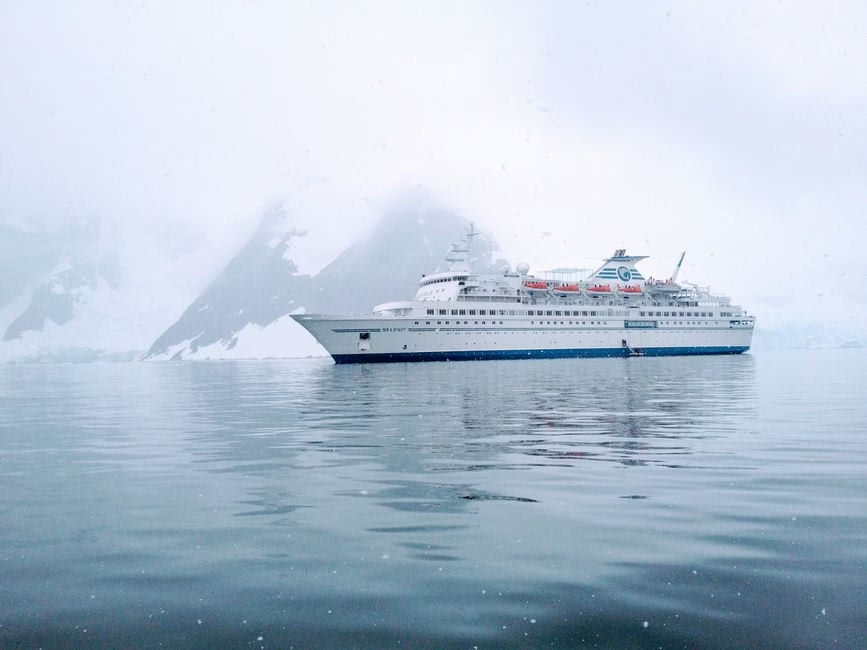
- Book early with reputable operators: Look for companies with proven experience in Antarctic waters. Safety and environmental stewardship are paramount.
- Understand weather unpredictability: Even within the best months, storms can quickly change plans. Embrace flexibility as part of the adventure.
- Prepare appropriate gear: Multiple insulating layers, waterproof outerwear, and non-slip boots are essential for staying warm and dry during landings.
- Consider extensions: Combine your voyage with a visit to Ushuaia in Argentina or the Falkland Islands for a richer polar journey.
- Travel responsibly: Follow all environmental guidelines to protect fragile ecosystems. Your presence should contribute to conservation, not disturbance.
Conclusion: Choosing Your Moment for the Journey of a Lifetime
Every Antarctic cruise promises a profound connection with one of Earth’s last true frontiers. Whether you crave the pristine stillness of early summer ice, the bustling life of peak penguin season, or the mesmerizing whale displays of late summer, understanding the timing helps you align your expectations with Antarctica’s natural rhythms.
The best time to visit depends not on a universal rule but on what you hope to feel, photograph, and remember. Each window reveals a different heartbeat of the same magnificent wilderness. Once you choose the moment that calls to you, the experience will reward you far beyond the chill of its winds.
Further Reading
Best Beaches in Southern Europe
Cheapest Countries to Visit in Africa
Travel to Somalia; How I Traveled to Mogadishu