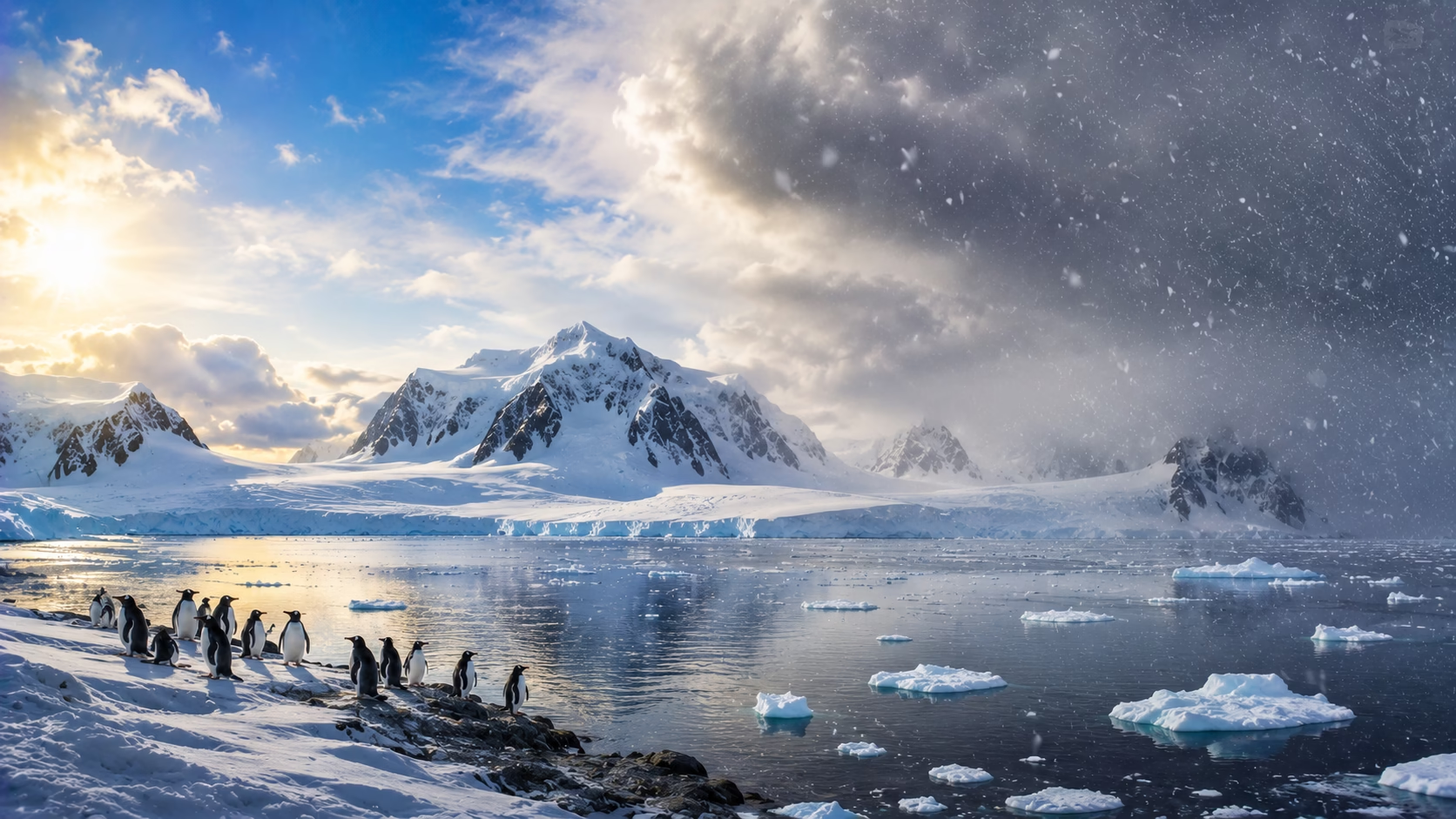
Antarctica is the coldest, driest, and windiest continent on Earth, yet it draws travelers with an irresistible allure of pure wilderness and surreal beauty. From gleaming icebergs that drift across cobalt seas to colonies of penguins thriving against the odds, the landscape feels more like another planet than part of our own. But stepping into this icy realm requires more than curiosity. To truly appreciate what awaits, you need to understand one crucial element: the weather.
Antarctica’s climate governs every aspect of travel here. It shapes the wildlife you will encounter, dictates accessibility, and defines what kind of experience you will have. This guide explains Antarctica’s weather month by month, helping you know what to expect at any time of the year and when to plan your expedition for the type of journey that suits you best.
Understanding Antarctica’s Climate
Before diving into the specifics of each month, it is worth understanding why Antarctica’s weather behaves the way it does. The continent sits almost entirely within the Antarctic Circle, meaning it is tilted away from the sun for half the year and bathed in continuous daylight for the other half. The result is one of the most extreme climates on Earth.
Temperatures in the interior can plunge below minus 70 degrees Celsius in winter, while coastal temperatures during summer may rise just above freezing. High winds are common, often sweeping across the ice with incredible force. Despite being covered in snow and ice, Antarctica is actually a desert because it receives very little precipitation annually.
Travelers generally visit between November and March, the austral summer, when conditions are milder and daylight lasts nearly 24 hours each day.
November – The Awakening of the Continent
November marks the beginning of Antarctica’s short summer season. The days stretch long as the sun remains above the horizon nearly around the clock. Ice that sealed off coastal regions through winter begins to break, opening sea passages for expedition ships.
Temperatures average around minus 5 to zero degrees Celsius along the coast. Snow is still fresh and pristine, glaciers glow an icy blue, and the landscape feels untouched after months of isolation. This is the time when penguins start rebuilding their colonies and seals begin to reclaim the beaches.
Travelers visiting in November often find fewer cruise ships and smaller crowds. Photography enthusiasts also love this period because the snow is clean and the light is crisp, producing stunning contrasts between white ice and deep blue sky.
Related Posts:
Ideal for: Adventurers seeking raw landscapes, photographers, and anyone who wants to witness the start of Antarctic life’s seasonal cycle.
December – The Peak of Antarctic Summer
By December, Antarctica is bathed in continuous daylight and experiences its warmest temperatures of the year. On the Antarctic Peninsula, daytime highs can reach to 2–4 degrees Celsius. The sun creates an almost surreal glow across the ice and everything feels vividly alive.
This is also the height of wildlife activity. Penguin colonies are bustling with energy as adults take turns incubating eggs. Elephant seals and fur seals crowd the shores, and seabirds fill the air. Icebergs are abundant, sculpted by melting patterns and intense sunlight, making this one of the most photogenic times to visit.
Cruise routes are fully operational, allowing access to more remote islands and wildlife havens. December is also an exceptional time for kayaking, zodiac exploration, and even polar plunges for those brave enough to enter the icy water.
Ideal for: Wildlife watchers, photographers, and travelers who want the most accessible and active environment.
January – Life in Full Motion
January is often considered the best overall month for visiting Antarctica. The continent reaches its highest temperatures of the year, often staying slightly above freezing in coastal zones. Sea ice at this time of year is at its thinnest, allowing ships to venture deeper into bays and narrow channels that are unreachable earlier in the season.
Wildlife activity peaks in January. Penguin chicks begin to hatch, creating lively scenes across the colonies as parents feed their young. Whale sightings also become frequent, especially humpback and minke whales that migrate south to feed in the rich Antarctic waters.
Because the days remain long and clear, travelers enjoy endless photo opportunities and excellent conditions for hiking on the islands and ice caps. The tradeoff is that this is also the most popular month, meaning cabin availability on cruises tends to fill up fast.
Ideal for: First time visitors seeking balanced conditions and exceptional wildlife encounters.
February – A Time of Whales and Maturity
As February arrives, the endless daylight slowly begins to shorten, yet conditions remain relatively comfortable by Antarctic standards. The melting ice opens even more pathways for exploration, allowing ships to reach deep into the southernmost regions.
Wildlife spectacles shift from breeding to nurturing. Young penguins molt and prepare for their first swim, and seals continue to dominate the beaches. Most notably, February is regarded as the finest time for whale watching. Huge pods of humpback whales feed actively on krill near the surface, often approaching boats with surprising curiosity.
Photographers love the change in light this month. Sunsets start to appear again, casting golden reflections over shimmering water and ice formations.
Ideal for: Whale enthusiasts, photographers wanting softer light, and travelers who prefer slightly fewer visitors than in January.
March – The Grand Farewell of the Season
March marks the closing chapter of the visitor season in Antarctica. The air cools, the light softens, and the wildlife prepares for winter’s return. Temperatures begin to drop below freezing, and many penguin colonies start to disperse as chicks become independent.
Sea ice begins to reform, bringing dramatic views of drifting floes and a growing sense of wilderness reclaiming itself. Whale sightings are still excellent, especially early in the month, and many travelers enjoy the quieter atmosphere as most expeditions wind down.
March offers a more reflective experience. It is a time to witness transition and departure, to see the continent pulling back into hibernation.
Ideal for: Experienced travelers seeking solitude, dramatic landscapes, and a deeper connection with the raw power of nature.
April to October – The Inaccessible Winter
Between late March and October, Antarctica becomes virtually unreachable to most travelers. The seas freeze, temperatures plummet to brutal lows, and the sun disappears for months of darkness in the interior.
Only scientists and permanent research station staff remain, conducting critical studies during this inhospitable period. Temperatures inland can drop below minus 80 degrees Celsius, and blizzards may last for days. While no visitor expeditions operate, understanding this part of the cycle gives insight into just how resilient life must be to survive here.
For most travelers, this season exists only to deepen appreciation for the brief window of accessibility in summer.
Conclusion – Choosing the Right Time to Experience Antarctica
There is no wrong time to visit Antarctica during its accessible months, only different kinds of beauty and discovery. November reveals awakening wilderness. December and January showcase thriving life under perpetual daylight. February highlights whales and mature ecosystems, while March offers introspection and quiet landscapes.
Understanding Antarctica’s weather by month not only helps with planning but also shapes your emotional connection to the journey. Each period tells a different story, and together they remind us how delicate and magnificent this continent truly is.
Further Reading
Best Beaches in Southern Europe
Cheapest Countries to Visit in Africa
Travel to Somalia; How I Traveled to Mogadishu
Free Family Things to do in Chicago Today
How to Spend Four Days in Hong Kong