What to Pack for Hiking Iceland’s Laugavegur Trail: Essential Gear
Discover what to pack for hiking Iceland's Laugavegur Trail, ensuring a safe and enjoyable adventure with our essential gear guide.
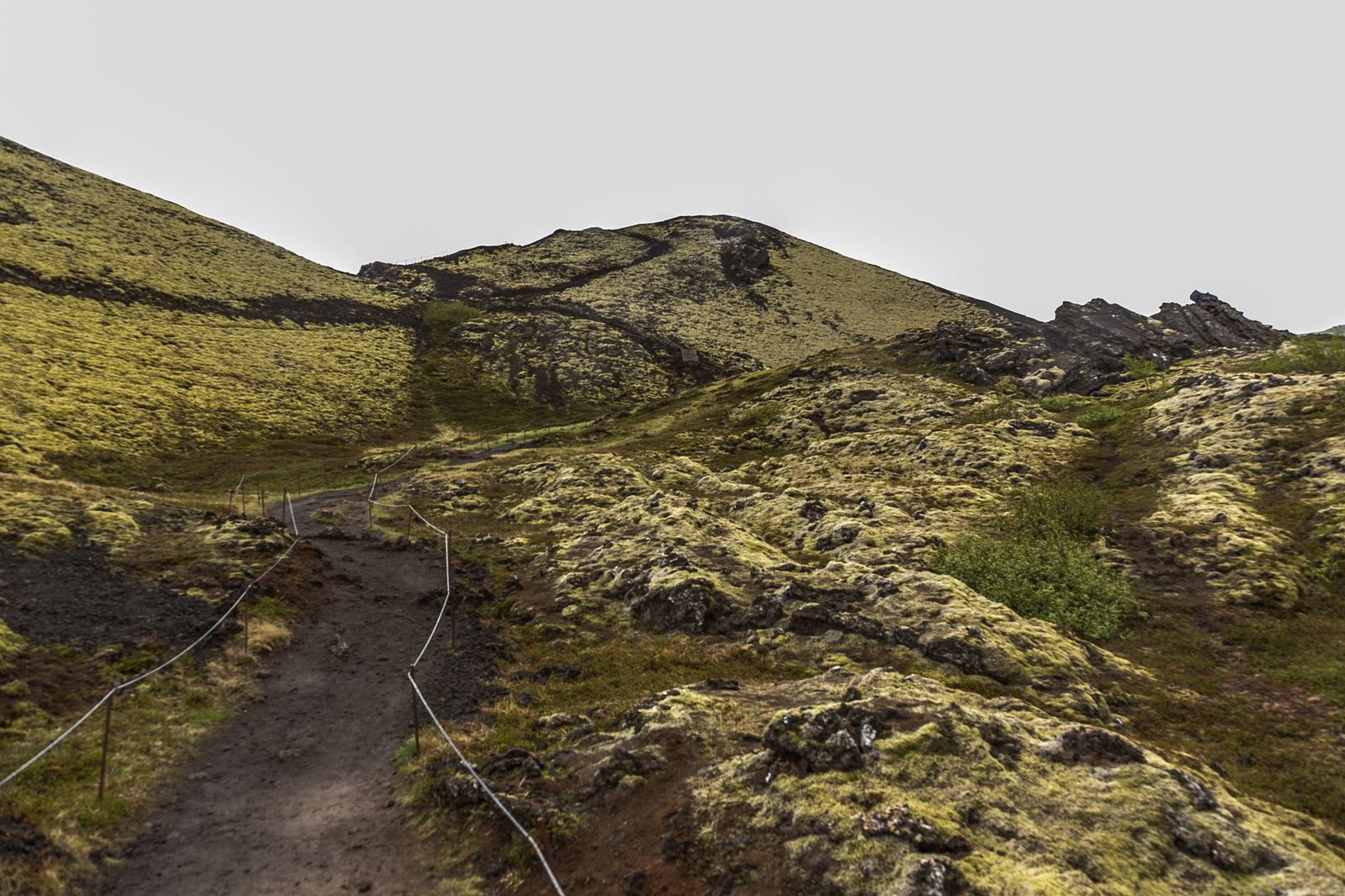
Hiking Iceland’s famed Laugavegur Trail is an adventure like no other. This 55-kilometer trek takes you through some of the most breathtaking landscapes on the planet, including geothermal areas, lush valleys, and stunning glaciers. However, to ensure that your hiking experience is both enjoyable and safe, it’s crucial to pack the right gear. In this guide, we will explore everything you need to know about what to pack for this iconic trail.
Whether you’re a seasoned hiker or a novice, being well-prepared can make a significant difference in your experience. The weather in Iceland can change rapidly, and the terrain can be challenging, so having the proper equipment is essential. This guide will provide a comprehensive packing list, along with practical tips to help you make the most of your hiking adventure on the Laugavegur Trail.
From clothing and footwear to cooking gear and navigation tools, we will cover all the essentials you need to bring along. By the end of this article, you will feel confident and ready to tackle one of Iceland’s most famous hiking trails.
Essential Clothing for the Trail
Dressing appropriately for the Laugavegur Trail is vital. As you traverse diverse landscapes, the weather can shift from sunny to rainy, or even snowy, within minutes. Layering is key, allowing you to adjust your clothing according to the conditions. Here’s a breakdown of essential clothing items:
- Base Layer: Start with moisture-wicking base layers (top and bottom) to keep sweat away from your skin.
- Insulating Layer: A fleece or down jacket provides warmth without adding too much bulk.
- Waterproof and Windproof Jacket: An essential outer layer to protect against rain and wind.
- Pants: Consider lightweight, quick-drying hiking pants that allow for comfortable movement.
- Hat and Gloves: Pack a warm hat and gloves, especially if you’re hiking during the cooler months.
- Gaiters: Useful for keeping mud and water out of your boots, especially in wet conditions.
For example, during a hike in late July, a group of friends found themselves caught in an unexpected rainstorm. Their decision to wear moisture-wicking layers made a significant difference. They stayed comfortable and dry compared to others who were not as prepared.
Footwear: Choosing the Right Hiking Boots
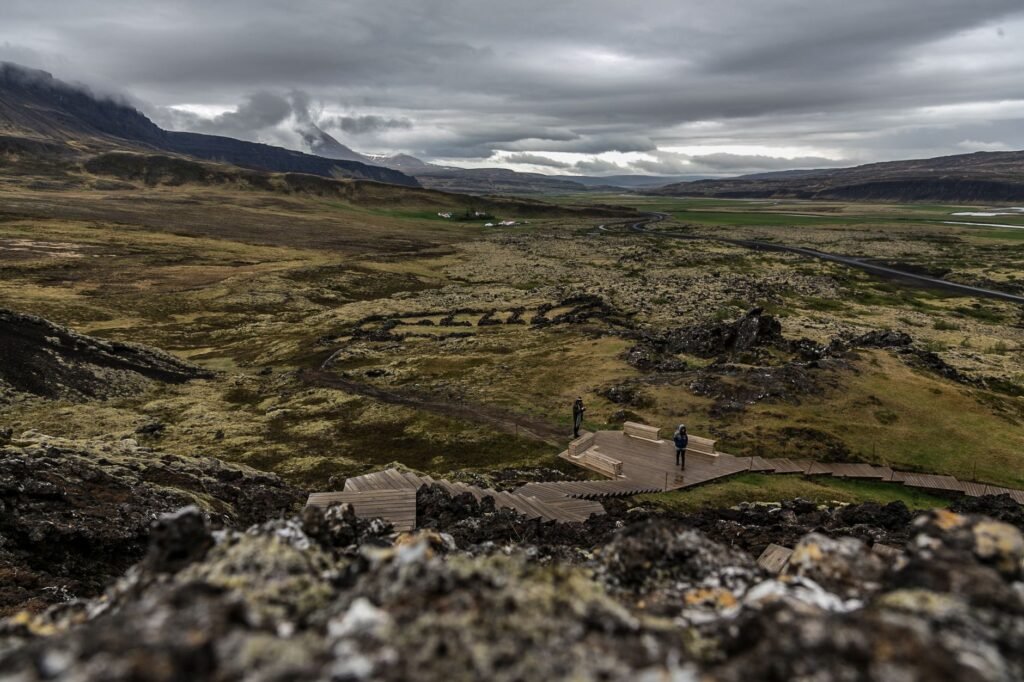
Your choice of footwear can make or break your hiking experience on the Laugavegur Trail. Given the varied terrain, it’s crucial to invest in high-quality hiking boots. Here are some key considerations:
- Waterproofing: Look for boots with a waterproof membrane to keep your feet dry.
- Traction: Choose boots with a rugged outsole that provides excellent grip on wet and rocky surfaces.
- Ankle Support: Opt for mid to high-cut boots for better ankle support, especially on uneven terrain.
- Break-In Period: Make sure to wear your boots on shorter hikes before the Laugavegur Trail to avoid blisters.
Footwear is often overlooked, but it significantly impacts your comfort level. A hiker who chose sturdy, well-fitted boots reported that their feet felt great after long days on the trail, while another friend who wore new, untested shoes experienced blisters that cut their trip short.
Backpack Essentials: What to Carry
Choosing the right backpack is crucial for a successful hike. Aim for a pack that is comfortable and large enough to hold your gear without being too bulky. Here’s what you should include:
- Daypack Size: For day hikes, a 30-50 liter pack is usually sufficient.
- Hydration System: Bring a hydration reservoir or water bottles that are easily accessible during your hike.
- Snacks and Meals: Pack lightweight, high-energy snacks like nuts, dried fruits, and energy bars, along with meals that are easy to prepare.
- First Aid Kit: A basic kit should include band-aids, antiseptic wipes, pain relievers, and any personal medications.
- Navigation Tools: A map, compass, or GPS device can be invaluable, especially in foggy or remote areas.
The importance of a well-stocked backpack became apparent during a recent trek. One group had forgotten essential snacks and hydration, leading to fatigue and frustration. Meanwhile, another group, equipped with a proper first aid kit, was able to assist a fellow hiker who had twisted their ankle, showcasing the importance of preparedness.
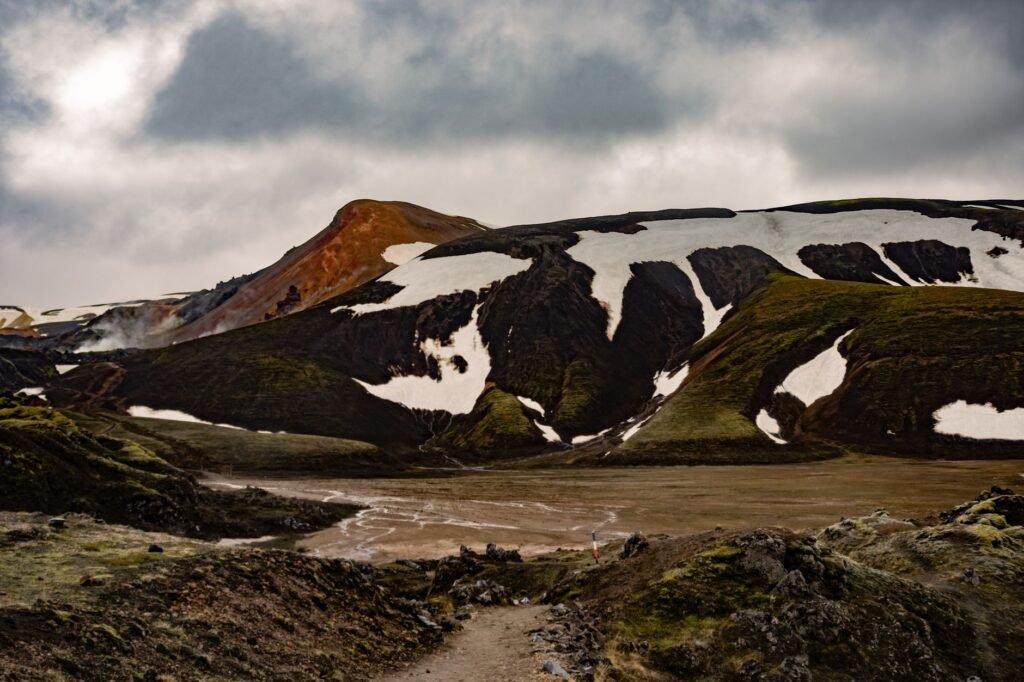
Cooking Gear: Preparing Meals on the Trail
Cooking gear can enhance your hiking experience by allowing you to prepare warm meals and enjoy the outdoors. Consider the following items for your cooking kit:
- Stove: A lightweight portable stove or a camping stove is essential for cooking.
- Fuel: Ensure you have enough fuel for the duration of your hike.
- Cookware: A compact pot and pan, along with utensils, will make meal prep easier.
- Food: Opt for dehydrated meals or pre-packaged options that require minimal preparation.
- Cleaning Supplies: Bring a sponge or cloth for cleaning, as well as a small trash bag for waste.
During one group’s hiking experience, they prepared a warm meal at a campsite, which not only provided nourishment but also fostered camaraderie. Sharing meals in the great outdoors can be one of the most memorable parts of hiking.
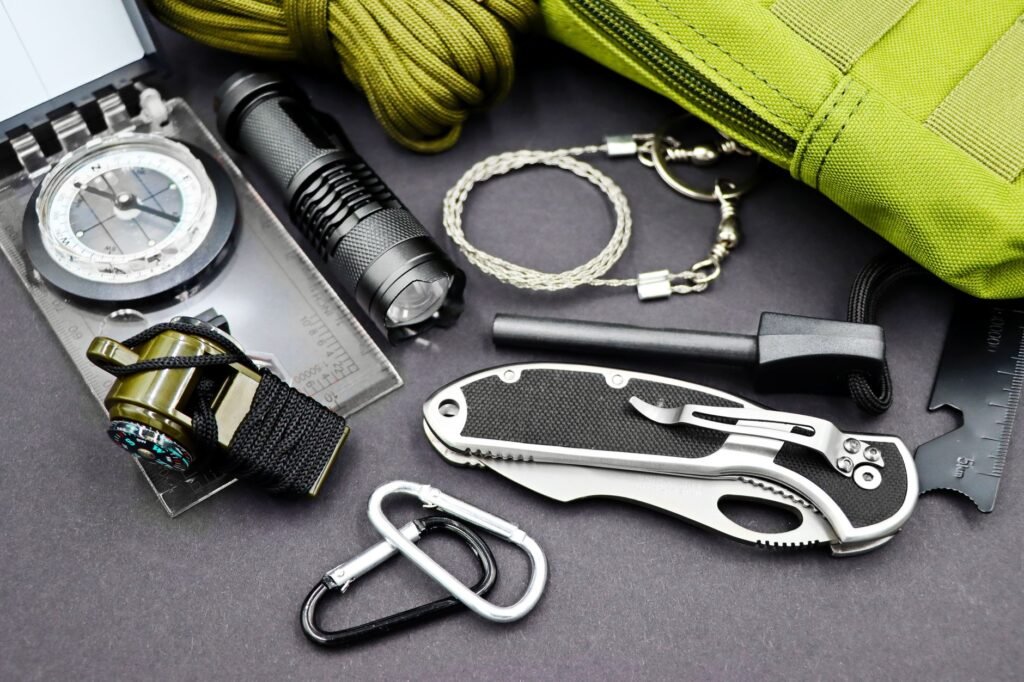
Safety Gear: Staying Prepared for Emergencies
Safety should always be a priority when hiking the Laugavegur Trail. Here’s a list of safety gear that can help you deal with unforeseen situations:
- First Aid Kit: As mentioned earlier, a well-stocked first aid kit is essential.
- Emergency Blanket: A compact emergency blanket can provide warmth in case of unexpected situations.
- Whistle: A whistle can be a lifesaver for signaling for help if needed.
- Multi-tool: A versatile tool can assist in various tasks, from gear repairs to food preparation.
- Personal Locator Beacon: For those hiking in remote areas, this device can send out an SOS signal in case of emergency.
While hiking, one group encountered a sudden change in weather, leading to foggy conditions. They were grateful for their whistle and emergency blanket, which provided reassurance and safety during a challenging moment.
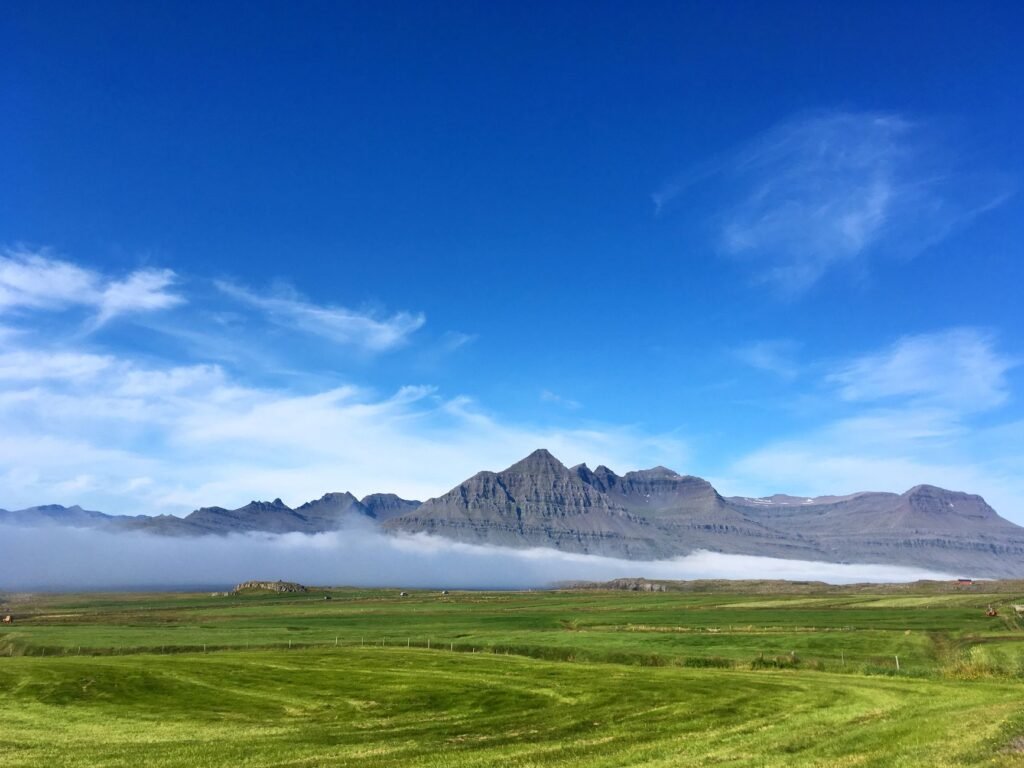
Navigation Tools: Finding Your Way
With the rugged terrain and changing conditions, it’s easy to lose your way. Consider these navigation tools:
- Topographic Map: A detailed map of the Laugavegur Trail can be invaluable for navigation.
- Compass: A compass can help orient you if you lose sight of trail markers.
- GPS Device: A portable GPS can serve as a backup to traditional navigation methods.
- Trail Apps: Download offline trail apps for additional guidance and trail conditions.
During one trek, a hiker relied on a GPS device, which led them back on track when they strayed from the path due to fog. Their experience highlights the importance of having reliable navigation tools.
Hydration Strategies: Staying Hydrated in Iceland’s Wilderness
Importance of Hydration
Staying hydrated while hiking the Laugavegur Trail is crucial for maintaining energy levels and overall well-being. The changing weather conditions and physical exertion can lead to dehydration, which can impair your performance and increase the risk of altitude sickness. It’s essential to understand how much water you should be consuming daily and the signs of dehydration to watch for.
As a rule of thumb, aim to drink around two to three liters of water each day depending on your activity level and environmental conditions. If you’re hiking on warmer days or at higher altitudes, you may need to increase your intake further. Keep an eye out for symptoms such as dry mouth, fatigue, and dizziness, which may indicate that you need to drink more water.
Water Sources Along the Trail
The Laugavegur Trail offers several natural water sources, including streams and rivers, but it’s vital to ensure that the water is safe to drink. While many hikers choose to carry their water, knowing where to find these sources can lighten your load. Here are some common spots where you can replenish your water supply:
- Near the Landmannalaugar hut
- At the Hrafntinnusker campsite
- By the Alfavatn lake
- Close to the Þórsmörk valley
While these sources are generally clean, it’s advisable to carry a portable water filter or purification tablets to ensure the water is safe for consumption. This will help you avoid any stomach issues that could arise from drinking contaminated water.
Hydration Gear: What to Bring
Choosing the right hydration gear can significantly impact your hiking experience. Here are some essential items to consider bringing:
- Hydration Bladder: A hydration bladder fits easily into your backpack and allows you to sip water while on the move. This can help you stay hydrated without needing to stop frequently.
- Water Bottles: Lightweight, reusable water bottles are perfect for carrying additional water. Opt for insulated bottles to keep your water cool during hot days.
- Water Purification System: Investing in a reliable water filter or purification tablets can provide peace of mind when sourcing water from natural bodies.
By ensuring you have the right hydration strategies and gear, you can maintain your energy and focus on enjoying the breathtaking scenery of Iceland’s wilderness.
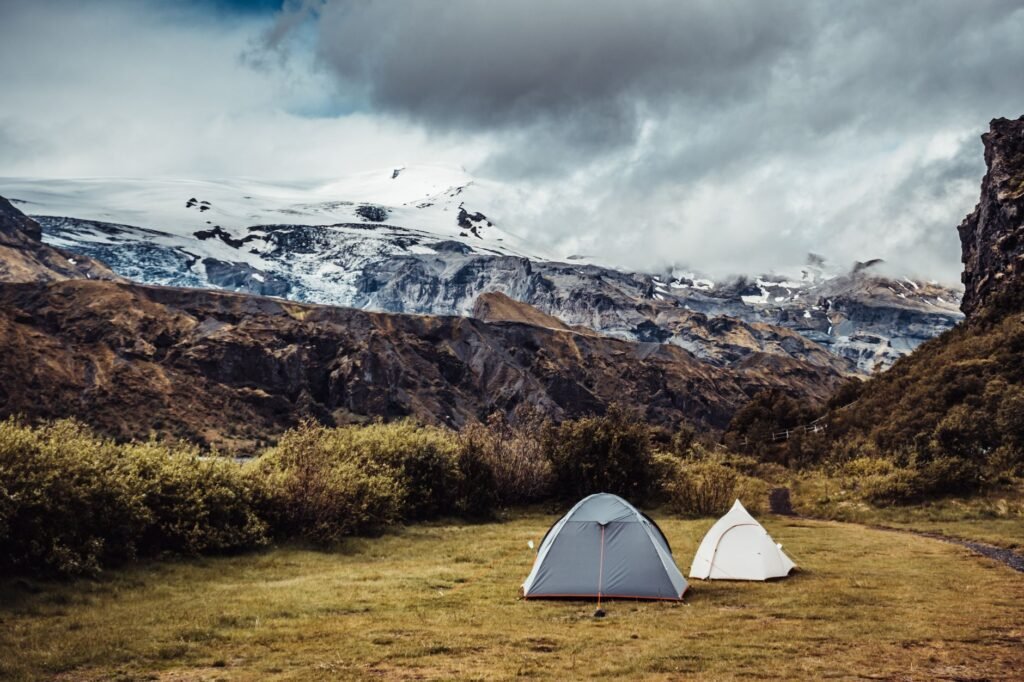
Camping Comfort: Creating a Cozy Base Camp
Choosing the Right Tent
The right tent can significantly enhance your camping experience on the Laugavegur Trail. Given the uncertainty of Icelandic weather, a good-quality, four-season tent will provide the durability and protection you need. Look for a tent that is lightweight and easy to set up, as you’ll appreciate the convenience after a long day of hiking.
When selecting a tent, consider the following features:
- Water Resistance: Ensure the tent has a high waterproof rating, especially for the flysheet and floor.
- Ventilation: Proper airflow is essential to prevent condensation buildup inside the tent, so look for models with adjustable vents.
- Weight: Since you’ll be carrying your tent, aim for a model that balances durability with lightweight materials.
Sleeping Gear: Comfort and Warmth
A good night’s sleep is critical for a successful hike. Invest in a high-quality sleeping bag rated for the temperatures you might encounter in Iceland. A down sleeping bag often provides the best insulation-to-weight ratio, ensuring you stay warm without excessive bulk.
Additionally, consider bringing a sleeping pad for added comfort and insulation from the cold ground. The combination of a sleeping bag and a sleeping pad can make a significant difference in how well-rested you feel each day. Here’s what to look for:
- Insulation Type: Choose between down and synthetic insulation based on your preferences and budget.
- Packability: Ensure the sleeping bag compresses well to save space in your backpack.
- R-Value: The higher the R-value of your sleeping pad, the better it will insulate you from the cold.
Creating a Comfortable Campsite
Once you arrive at your campsite, taking the time to set up a comfortable environment can make your evenings more enjoyable. Here are some tips for creating a cozy base camp:
- Location: Choose a flat area to pitch your tent, ideally away from wind and potential water runoff.
- Setup Order: Set up your tent first, then prepare your meals and organize your gear to avoid clutter.
- Lighting: Consider bringing a small, portable lantern or headlamp to enhance visibility in the evenings.
By focusing on comfort and practicality, you’ll find that your camping experience on the Laugavegur Trail is as rewarding as the hiking itself.
Environmental Considerations: Hiking Sustainably in Iceland
Leave No Trace Principles
Hiking in Iceland’s pristine landscapes comes with a responsibility to protect the environment. Following Leave No Trace principles is essential to minimize your impact on the delicate ecosystems you’ll encounter along the Laugavegur Trail. These principles encourage you to plan ahead, stay on designated trails, and pack out all your trash.
Here are some key Leave No Trace principles to keep in mind:
- Plan Ahead: Research the trail conditions and weather forecasts before your trip to ensure you are prepared.
- Stay on Trails: Walking off designated paths can cause soil erosion and damage native vegetation.
- Respect Wildlife: Observe animals from a distance and do not feed them or disturb their habitats.
Water Conservation
Water is a precious resource, particularly in fragile environments like Iceland. Being mindful of your water usage while hiking can help preserve this vital resource. When washing dishes or cleaning up, use biodegradable soap and take care to do so at least 200 feet away from water sources to avoid contamination.
Additionally, try to limit your showering and washing while on the trail. A quick sponge bath with a small amount of water can help you stay clean without wasting precious resources.
Choosing Eco-friendly Gear
When packing for your hike, consider choosing gear made from sustainable materials. Many outdoor brands now offer eco-friendly options that minimize their environmental impact. Look for products that use recycled materials, are responsibly sourced, and promote ethical manufacturing practices.
Here are some sustainable gear options to consider:
- Recycled Fabrics: Many companies offer clothing and gear made from recycled plastics and other materials.
- Biodegradable Soap: When washing up, choose biodegradable soap to minimize chemical impacts on the environment.
- Solar Chargers: If you need to charge devices, consider using a solar charger to reduce your reliance on batteries.
By adopting environmentally friendly practices and gear, you can enjoy your hike while also protecting the breathtaking landscapes of Iceland for future generations.
Frequently Asked Questions
What is the best time to hike the Laugavegur Trail?
The best time to hike the Laugavegur Trail is from late June to early September. During this period, the weather is milder, and the trail is usually free of snow, making it accessible for hikers.
What is the difficulty level of the Laugavegur Trail?
The Laugavegur Trail is considered moderate in difficulty. While it can be challenging due to elevation changes and varying terrains, proper preparation and equipment can help mitigate these challenges.
Are there camping facilities along the trail?
Yes, there are designated camping sites along the Laugavegur Trail with basic facilities. However, it is essential to follow local guidelines and regulations regarding camping.
How much water should I carry?
It’s advisable to carry at least 2-3 liters of water per day. Consider bringing a filtration system or purification tablets, as there are streams along the trail where you can refill your water supply.
The Bottom Line
Packing wisely for hiking Iceland’s Laugavegur Trail is essential for a successful adventure. From appropriate clothing and footwear to cooking and safety gear, being prepared can significantly enhance your experience. Following the packing guidelines in this article will help ensure that you are ready for the unpredictable Icelandic weather and diverse trail conditions. Enjoy your hike and embrace the stunning natural beauty that awaits you on this iconic trail.
Visa rules, prices and opening times change. Always confirm details with official sources before you travel.