Rasam South Indian Healing Broth: A Comforting Elixir
Discover the healing benefits of Rasam, a traditional South Indian broth, and learn how to make this comforting dish at home.
Rasam, a traditional South Indian dish, is much more than just a flavorful broth; it is a healing elixir packed with spices that are known for their numerous health benefits. This spicy, tangy soup is often served alongside rice or enjoyed as a standalone dish. With its origins rooted in South Indian cuisine, Rasam has become popular beyond the boundaries of India, appreciated for its comforting qualities and restorative properties.
The key ingredients in Rasam, such as tamarind, tomatoes, and a blend of spices, create a uniquely refreshing taste that can uplift your spirits, especially during the monsoon or cold seasons. Additionally, Rasam serves as a popular remedy for colds and digestion issues, making it a staple in many households.
This article explores the various aspects of Rasam, including its health benefits, different types, recipes, and how to enjoy this delightful healing broth. Whether you are familiar with South Indian cooking or a curious foodie, you will find valuable insights and practical tips here.
The Health Benefits of Rasam
Rasam is not just a delicious dish; it boasts numerous health benefits attributed to its key ingredients, particularly the spices used in its preparation. Here are some of the notable health benefits:
- Digestive Aid: Rasam contains spices like cumin and black pepper, which are known to enhance digestion and alleviate bloating. The tangy tamarind in Rasam also acts as a natural digestive aid.
- Rich in Antioxidants: Ingredients such as tomatoes and coriander provide antioxidants that help combat oxidative stress in the body, promoting overall health.
- Anti-Inflammatory Properties: The spices used in Rasam, including turmeric and ginger, are renowned for their anti-inflammatory effects, making this dish beneficial for joint health.
- Hydration: Rasam is primarily a liquid dish, which helps keep the body hydrated, especially during hot weather or sickness.
Incorporating Rasam into your diet can be particularly beneficial during the changing seasons or when feeling under the weather. For example, imagine after a long day, you come home feeling cold and tired. A bowl of hot Rasam can not only warm you up but also provide necessary nutrients to help you recover.

Ingredients Used in Rasam
The beauty of Rasam lies in its simplicity and the flexibility of its ingredients. The core components typically include:
- Tamarind: Provides the signature tangy flavor that distinguishes Rasam from other soups.
- Tomatoes: Adds sweetness and acidity, balancing the flavors perfectly.
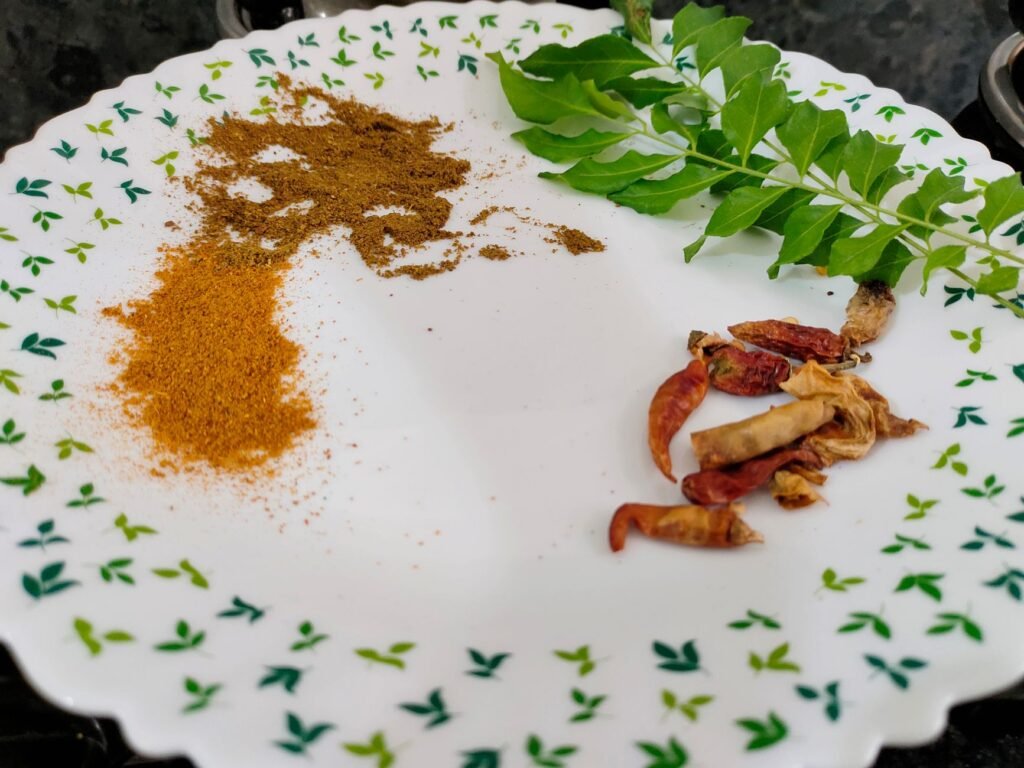
- Spices: Common spices include mustard seeds, cumin, coriander, turmeric, and black pepper. Each spice contributes to both flavor and health benefits.
- Herbs: Fresh coriander leaves are often added just before serving for a refreshing touch.
- Optional Add-ins: Ingredients such as lentils, vegetables, or even chicken can be added for a heartier dish.
Using fresh, high-quality ingredients will significantly enhance the flavor of your Rasam. For instance, fresh tomatoes will provide a vibrant color and a natural sweetness that canned tomatoes lack.
Types of Rasam
There are several variations of Rasam, each with its own unique flair. Some popular types include:
- Tomato Rasam: The most common version, made primarily with ripe tomatoes and spices.
- Vegetable Rasam: Incorporates a variety of vegetables, making it a nutritious meal option.
- Ginger Rasam: Features a generous amount of ginger for added warmth and flavor, ideal for cold weather.
- Garlic Rasam: Includes crushed garlic cloves, known for their health properties and pungent taste.
- Pineapple Rasam: A sweet and tangy version that adds pineapple for a unique tropical twist.
Each type of Rasam can be customized further by adjusting the spice levels or adding additional ingredients to suit personal preferences. Experimenting with different types allows you to discover new flavors while enjoying the health benefits that Rasam offers.
How to Make Rasam at Home
Making Rasam at home is straightforward and requires minimal cooking skills. Below is a simple recipe for Tomato Rasam:
Ingredients
- 2 medium ripe tomatoes, chopped
- 1 tablespoon tamarind paste
- 1 teaspoon mustard seeds
- 1 teaspoon cumin seeds
- 1 teaspoon black pepper
- 2 tablespoons ghee or oil
- Salt, to taste
- Fresh coriander leaves, chopped
- 4 cups water
Instructions
- In a pot, heat ghee or oil over medium heat. Add mustard seeds and let them splutter.
- Add cumin seeds and black pepper, sautéing for a minute until fragrant.
- Add chopped tomatoes and cook until they soften, about 5-7 minutes.
- Mix in tamarind paste and salt, then add water. Bring it to a boil, then reduce heat and simmer for 10-15 minutes.
- Garnish with fresh coriander leaves before serving.
This basic recipe can be modified by adding other spices or vegetables, allowing you to create a Rasam that perfectly fits your taste. For instance, adding a few chopped carrots or spinach can transform it into a more nutritious meal.
Serving Suggestions
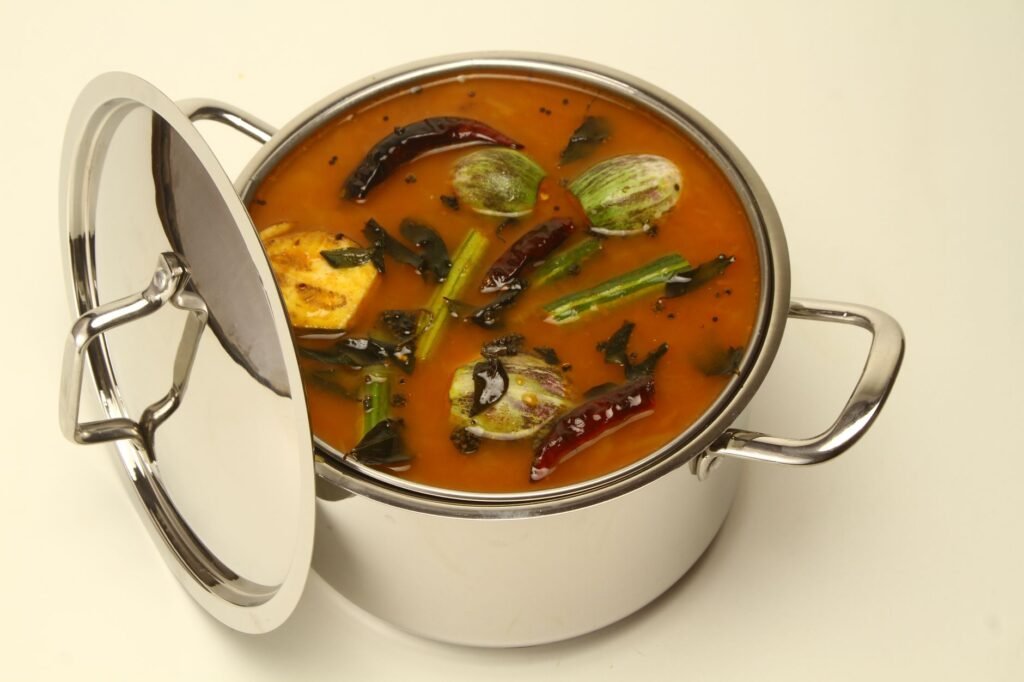
Rasam can be enjoyed in various ways, making it a versatile dish. Here are some popular serving suggestions:
- With Rice: The most common way to enjoy Rasam is with steamed rice. Pour the hot Rasam over the rice, mix, and relish the comforting combination.
- As a Soup: Rasam can be served as a standalone soup, often enjoyed as an appetizer or a light meal.
- With Dosa or Idli: Pairing Rasam with South Indian staples like dosa or idli provides a delicious and filling meal.
- With Appetizers: Serve Rasam as a dipping sauce for snacks or appetizers, adding a spicy kick to your meal.
Each method of serving Rasam highlights its unique flavor profile, allowing you to experience this dish in different and delightful ways.

The Cultural Significance of Rasam
Rasam is more than just a dish; it embodies the rich culinary heritage of South India. Often served as a staple in Tamil Nadu households, it reflects the blend of flavors and traditions that define the region’s cuisine. From celebrations to daily meals, rasam holds a special place in the hearts of many.
Rasam in Festivities
During festivals, rasam is not merely a side dish but often takes center stage as part of the elaborate meals prepared to honor deities or celebrate family gatherings. For instance, during Pongal, a harvest festival, rasam is prepared with great enthusiasm and is part of a larger spread that includes a variety of other traditional dishes. This ritualistic preparation signifies gratitude towards nature and the bounty it provides.
Moreover, rasam is commonly prepared during weddings and other auspicious occasions. The process of making rasam involves the participation of family members, which enhances its significance as a communal dish. The recipe may vary slightly from family to family, but the essence remains the same: bringing people together.
Rasam in Everyday Life
In daily life, rasam serves as a comforting elixir for many South Indian households. It is often the go-to remedy for minor ailments, such as colds and digestive issues, making it a staple in kitchens across the region. Mothers often prepare a pot of rasam for their children when they fall ill, signifying care and nurturing.
Additionally, the simplicity of rasam allows it to fit into the fast-paced lifestyle of modern India. It can be quickly prepared and consumed, making it an ideal choice for busy families. Many households have their own quick recipes for rasam, ensuring that it remains accessible regardless of time constraints.
The Variations Across South India
While rasam is a common dish, its preparation and flavor profile can vary significantly across different states in South India. Each region has its unique twist on the basic rasam recipe, often influenced by local ingredients and traditions.
- Tamil Nadu: Known for its spicy and tangy rasam, often featuring tamarind and black pepper.
- Karnataka: Here, rasam may include a blend of spices like coriander and is often milder, with a focus on the freshness of ingredients.
- Andhra Pradesh: Known for its fiery version called ‘Rasam’ that includes a hefty amount of red chili and is often served alongside rice.
- Kerala: Rasam is often made using coconut and has a distinctive flavor profile that reflects the state’s culinary heritage.
Rasam and Its Nutritional Profile
The nutritional value of rasam is often overlooked, yet it plays a significant role in contributing to a balanced diet. The ingredients used in rasam not only provide flavor but also pack a nutritional punch that benefits overall health.
Key Nutrients in Rasam
The key ingredients in rasam, such as tamarind, tomatoes, and various spices, offer a variety of health benefits. Tamarind is rich in antioxidants and can aid in digestion, while tomatoes provide essential vitamins like C and K. Additionally, spices like cumin and coriander are known for their anti-inflammatory properties.
When consumed regularly, rasam can contribute to hydration and provide essential electrolytes, especially when prepared with extra ingredients like lemon or mint. This makes it an excellent choice for replenishing the body, particularly during hot weather or after illness.
Rasam as a Weight Management Tool
Incorporating rasam into a balanced diet can also be beneficial for those looking to manage their weight. As a low-calorie dish, it can be enjoyed without guilt. The high water content in rasam makes it filling, which may help curb overeating during meals.
Furthermore, the spices used in rasam can boost metabolism, aiding in weight loss efforts. For those interested in maintaining a healthy lifestyle, including rasam in meals can be a flavorful way to stay on track.
Customizing Rasam for Nutritional Needs
Rasam can easily be customized to meet various dietary preferences and nutritional needs. For instance, vegetarians can enjoy a protein boost by adding lentils or chickpeas to the broth. Those looking to reduce sodium intake can use low-sodium broth or skip added salt altogether.
- Gluten-Free: Rasam is naturally gluten-free, making it an excellent option for those with gluten sensitivities.
- Vegan: Traditional rasam recipes are vegan, so it can be enjoyed by those following a plant-based lifestyle.
- Low-Calorie: Rasam can be made with minimal oil and high water content, ensuring it remains a low-calorie dish.

Rasam in Modern Culinary Trends
As food trends continue to evolve, rasam has found its way into modern cuisine, often reimagined in creative ways while preserving its traditional essence. Chefs and home cooks alike are experimenting with rasam, introducing innovative flavors and techniques.
Fusion Dishes Featuring Rasam
Fusion cuisine has become increasingly popular, and rasam has been incorporated into a variety of contemporary dishes. From rasam-infused pasta to rasam soup served in gourmet restaurants, the versatility of this broth makes it an ideal candidate for creative culinary experimentation.
Some popular fusion dishes include:
- Rasam Risotto: A creamy Italian risotto made with rasam for a spicy twist.
- Rasam Tacos: Tacos filled with rasam-flavored bean mixtures, topped with fresh veggies.
- Rasam Pizza: Pizza topped with rasam-infused sauce and traditional South Indian toppings.
Health-Conscious Variations
With the rise of health-conscious eating, many are looking for ways to make traditional dishes healthier. Rasam is no exception, with numerous adaptations to cater to modern dietary preferences. Chefs are experimenting with organic ingredients, reducing oil content, and even creating rasam using superfoods.
Some health-focused variations include:
- Quinoa Rasam: Substituting rice with quinoa offers a protein-rich, gluten-free alternative.
- Superfood Rasam: Incorporating ingredients like kale or spinach for added nutrients.
- Spice-Infused Rasam: Adding turmeric or ginger for enhanced anti-inflammatory benefits.
Rasam in Gourmet Dining
Many high-end restaurants are now featuring rasam as part of their tasting menus, highlighting its complex flavors and cultural significance. Chefs are taking the opportunity to showcase regional variations and presenting them in elegant ways.
This trend not only elevates the status of rasam but also educates diners on its importance in South Indian culture. By incorporating locally sourced ingredients and innovative presentations, rasam is gaining recognition as a gourmet dish that deserves a spot on fine dining menus.
Frequently Asked Questions
What is the origin of Rasam?
Rasam originates from South India and is a staple in Tamil Nadu cuisine. It has been prepared for centuries, often considered a comfort food and a remedy for various ailments.
Can Rasam be made vegan?
Yes, Rasam can easily be made vegan by using vegetable oil instead of ghee and omitting any dairy-based sides.
How long can I store Rasam in the refrigerator?
Rasam can be stored in the refrigerator for up to 3 days. Reheat it on the stove before serving for the best flavor and consistency.
Is Rasam spicy?
The spice level of Rasam can be adjusted according to personal preference. You can reduce the amount of black pepper and omit any hot peppers to make it milder.
The Bottom Line
Rasam is more than just a dish; it is a healing broth that embodies the essence of South Indian cuisine. Rich in flavor and packed with health benefits, it serves as a comforting option for various occasions. Whether you’re feeling under the weather or simply seeking a warm, nourishing meal, Rasam is a versatile choice that can be easily made at home. With its customizable recipes and serving options, Rasam is sure to become a beloved staple in your kitchen.
Visa rules, prices and opening times change. Always confirm details with official sources before you travel.