Essential Things to Know Before Traveling to Panama City, Panama
Discover essential things to know before traveling to Panama City, Panama, including culture, safety, and travel tips for a smooth journey.
Traveling to Panama City, Panama, is an exciting adventure that offers a blend of rich culture, historical sites, and stunning landscapes. Whether you’re drawn by the allure of the Panama Canal, the vibrant nightlife, or the diverse culinary scene, there are essential things to know before embarking on your journey. This guide aims to equip you with practical tips and insights to optimize your travel experience in this bustling capital.
Before you pack your bags, it’s crucial to understand the local culture, safety considerations, and logistical aspects of traveling in Panama City. From navigating transportation options to understanding local customs, being well-informed will enhance your visit and help you make the most of your time in this captivating city.
In this article, we will cover key topics that every traveler should consider, providing you with a comprehensive overview of what to expect. Let’s get started!
Understanding the Local Culture
Panama City is a melting pot of cultures, influenced by its indigenous roots, Spanish colonization, and American presence during the construction of the Panama Canal. This cultural diversity is reflected in the city’s architecture, festivals, and everyday life.
One of the most significant aspects of Panamanian culture is its hospitality. Locals are known for being friendly and welcoming, often eager to share their customs and traditions with visitors. Engaging with residents can provide deeper insights into the local lifestyle, making your trip more enriching.
Language is another important factor to consider. While Spanish is the official language, English is widely spoken in tourist areas and among the younger population. Learning a few basic Spanish phrases can enhance your interactions and demonstrate respect for the local culture.
Key Cultural Practices
- Greetings: A handshake is common when meeting someone for the first time, while close friends often greet each other with a hug or a kiss on the cheek.
- Dining Etiquette: It’s customary to wait for the host to start the meal before eating. When dining out, try to sample traditional dishes like ceviche or sancocho.
- Festivals: Participating in local festivals, such as Carnaval, can provide a unique glimpse into Panamanian culture, featuring vibrant parades, music, and dance.

Safety Considerations
Like any major city, Panama City has its share of safety concerns. However, with proper awareness and precautions, you can enjoy a safe visit. It’s advisable to stay informed about the areas you plan to visit and to take common-sense measures to protect yourself and your belongings.
Petty crime, such as pickpocketing, can occur in crowded areas or tourist hotspots. Ensure that your valuables are secure and avoid displaying expensive items. It’s wise to use hotel safes for passports and excess cash.
In emergencies, knowing the local emergency numbers is crucial. The police can be reached at 104, while medical emergencies can be reported by calling 911.
Safety Tips
- Stay in well-lit areas: Especially at night, stick to populated, well-lit streets and avoid wandering into unfamiliar neighborhoods.
- Use reputable transportation: When traveling around the city, opt for licensed taxis or ride-sharing services rather than accepting rides from strangers.
- Be cautious with alcohol: If you choose to enjoy the nightlife, limit your alcohol intake and always keep an eye on your drink.
Transportation Options
Panama City offers various transportation options that cater to different needs and preferences. From public buses to taxis and metro services, understanding how to navigate the city can save you time and enhance your travel experience.
The Panama Metro is a convenient and affordable way to travel across the city. It connects several key areas, including the financial district and residential neighborhoods. The metro system is efficient and generally safe, making it a popular choice for both locals and tourists.
Alternatively, the city has a comprehensive bus system known as “diablos rojos,” or red devils, which are colorful, refurbished school buses. While they offer a unique experience, be prepared for limited English signage and crowded conditions.
Transportation Options Overview
| Mode | Cost | Notes |
|---|---|---|
| Metro | 0.35 USD | Clean, efficient, and covers major areas. |
| Bus | 0.25 USD | Colorful buses; can be crowded and less reliable. |
| Taxi | Variable | Use licensed taxis; agree on a fare before starting. |
| Ride-sharing | Variable | Convenient and often safer than regular taxis. |

Packing for the Climate
Panama City has a tropical climate, characterized by high humidity and warm temperatures year-round. Knowing what to pack can make a significant difference in your comfort during your travels. The dry season typically runs from December to April, while the rainy season lasts from May to November.
Lightweight, breathable clothing is ideal for daytime, while a light jacket may be necessary for cooler evenings or air-conditioned settings. Waterproof gear, such as a poncho or umbrella, is essential during the rainy season.
Comfortable walking shoes are also a must, especially if you plan to explore the city on foot. Additionally, don’t forget to pack sunscreen, insect repellent, and a reusable water bottle to stay hydrated.
Packing Essentials
- Light clothing for warm weather
- Waterproof jacket or poncho
- Comfortable walking shoes
- Sunscreen and insect repellent
- Reusable water bottle
Exploring Local Cuisine
The culinary scene in Panama City is as diverse as its culture, offering a variety of flavors and dishes influenced by local ingredients and international cuisines. From street food to upscale dining, there’s something for every palate.
One must-try dish is ceviche, a refreshing seafood dish made with fresh fish marinated in lime juice, cilantro, and onions. It’s commonly served as an appetizer in many restaurants. Another local favorite is sancocho, a hearty chicken soup that is often enjoyed on a rainy day.
For a truly local experience, head to a mercado (market) where you can find an array of fresh produce, street food stalls, and traditional snacks. This not only gives you a taste of Panama’s culinary delights but also a glimpse into local daily life.
Signature Dishes to Try
- Ceviche: Fresh fish marinated in citrus.
- Sancocho: A traditional chicken soup.
- Ropa Vieja: Shredded beef cooked in a tomato sauce.
- Patacones: Fried green plantains served as a side or snack.

Health and Medical Considerations
Vaccinations and Health Precautions
Before traveling to Panama City, it is important to ensure that your vaccinations are up-to-date. The CDC recommends vaccinations for hepatitis A, hepatitis B, typhoid, and rabies depending on your travel itinerary and activities. It is advisable to check with a healthcare provider at least a month before your trip to discuss any necessary vaccinations and preventive measures.
Additionally, travelers should consider taking precautions against mosquito-borne illnesses such as dengue fever and Zika virus. Wearing long sleeves and using insect repellent with DEET can help protect against bites. Stay informed about any health advisories that may be in effect during your visit, and always have a basic first-aid kit on hand.
Local Healthcare Facilities
In the event of a medical emergency, knowing where to find healthcare facilities can be crucial. Panama City has a number of hospitals and clinics that cater to both locals and tourists. The largest hospitals include Hospital Punta Pacífica, Hospital Nacional, and Hospital San Fernando, which are well-equipped and staffed with English-speaking professionals.
Additionally, it is recommended to carry travel insurance that covers medical emergencies. This adds a layer of security in case you need medical assistance while abroad. Local pharmacies are also available and can provide over-the-counter medications for minor ailments.
Pharmaceuticals and Medications
If you require prescription medications, it is advisable to bring enough for the duration of your stay, along with a copy of your prescriptions. While some medications may be available at local pharmacies, the availability of specific brands or types can vary. It’s wise to research the names of your medications in Spanish to facilitate communication in a pharmacy setting.
- Commonly available over-the-counter medications in Panama include:
- Paracetamol (acetaminophen)
- Ibuprofen
- Antihistamines
- Digestive aids
Understanding Local Etiquette and Social Norms
Common Courtesies and Greetings
Understanding local etiquette can enhance your experience in Panama City. When meeting someone, a handshake is a common greeting, often followed by a friendly smile. It is customary to greet people with a friendly ‘buenos días’ (good morning), ‘buenas tardes’ (good afternoon), or ‘buenas noches’ (good evening) depending on the time of day. This simple gesture can help break the ice and create a welcoming atmosphere.
In social settings, it is polite to engage in small talk before delving into business or serious topics. Panamanians appreciate a personal connection, so asking about family or local events can be a good icebreaker. When dining, wait for the host to begin eating before you start, as this is considered a sign of respect.
Dress Code and Appearance
While Panama City has a relatively casual vibe, dressing appropriately is important, especially in business settings or when visiting religious sites. Light, breathable fabrics are recommended due to the warm climate, but it is best to avoid overly casual attire such as flip-flops or beachwear when in urban areas or restaurants.
For women, wearing skirts or dresses that are knee-length or longer is advised when visiting churches or more conservative areas. Men should opt for long pants and collared shirts. Overall, a neat and tidy appearance is appreciated, reflecting respect for local customs.
Understanding Tipping Practices
Tipping in Panama is generally appreciated and expected in many service-related industries. In restaurants, a tip of 10% is customary if service is not included in the bill. Many locals round up the bill, so leaving small change is common as well. For taxi drivers, rounding up the fare is a polite gesture, though tipping is not mandatory.
- Here’s a brief guide to tipping in various situations:
- Restaurants: 10% of the total bill
- Hotel staff: $1-2 per bag for porters
- Guides: $10-20 per day, depending on the length and quality of the tour
- Taxi drivers: rounding up the fare

Exploring Panama City’s Unique Attractions
Cultural Landmarks and Museums
Panama City boasts a rich tapestry of history and culture, and visiting its museums and landmarks is a must. The Museo del Canal Interoceánico de Panamá offers insight into the engineering marvel of the Panama Canal and its historical significance. The museum is housed in a beautifully restored colonial building, making it a visually appealing stop.
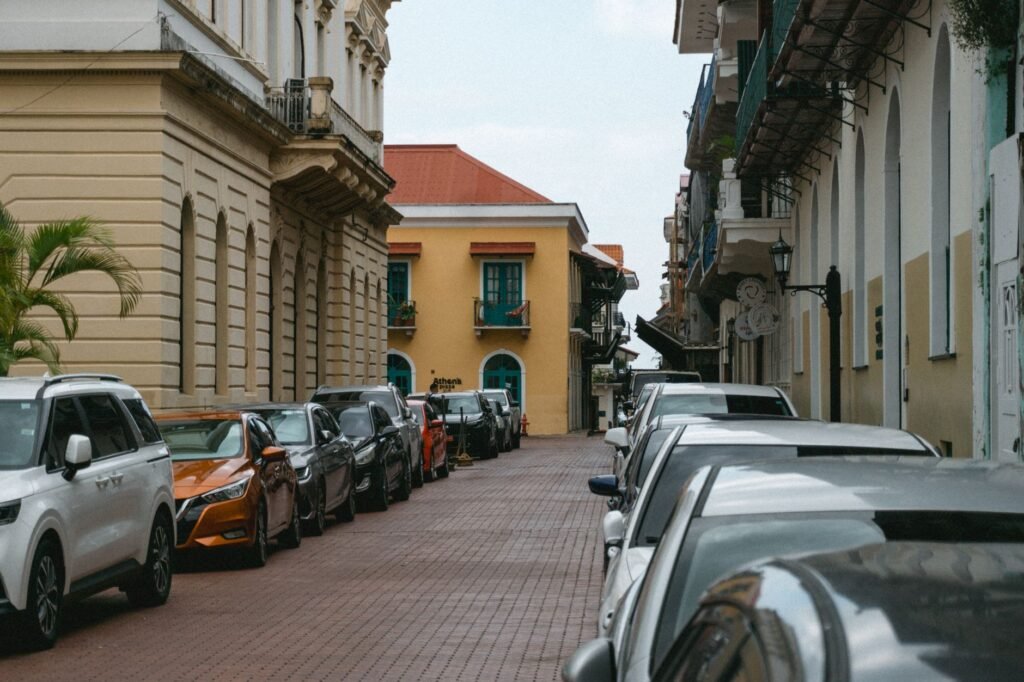
Another noteworthy site is the Casco Viejo, a UNESCO World Heritage site that showcases stunning colonial architecture. Here, visitors can stroll through charming streets lined with colorful buildings, visit the iconic Plaza de Francia, and explore local boutiques and cafes.
Outdoor Activities and Natural Attractions
For those looking to experience the natural beauty surrounding Panama City, Parque Natural Metropolitano is an urban oasis that offers hiking trails and wildlife viewing opportunities. This protected area is home to a variety of birds, mammals, and plant species, making it an ideal spot for nature lovers.
If you’re up for an adventure, consider taking a day trip to the nearby rainforest or visiting the Gatun Lake, where you can partake in activities such as kayaking, fishing, or wildlife spotting. These excursions provide a great way to immerse yourself in Panama’s stunning biodiversity.
Vibrant Nightlife and Entertainment
As the sun sets, Panama City comes alive with a vibrant nightlife scene. The Casco Viejo district is known for its lively bars and clubs, where you can enjoy live music, salsa dancing, and local cocktails. Make sure to try a ‘Seco’ cocktail, a traditional Panamanian drink made from sugarcane.
For a more laid-back evening, consider visiting one of the many rooftop bars that offer stunning views of the skyline and waterfront. These venues often serve a variety of local and international beers, as well as delicious tapas to share with friends.
- Popular nightlife spots include:
- La Tana – Known for its extensive wine list and tapas.
- Casa Jaguar – Offers a unique atmosphere with live music.
- Panama Blue – A lively bar with great cocktails and a vibrant crowd.
Frequently Asked Questions
What is the best time to visit Panama City?
The best time to visit Panama City is during the dry season, from December to April, when the weather is more pleasant and ideal for outdoor activities.
Do I need a visa to enter Panama?
Visa requirements vary by nationality. Many tourists can enter Panama without a visa for stays of up to 180 days. It’s best to check with your local consulate for specific regulations.
What currency is used in Panama?
The official currency is the Balboa, but the US dollar is widely accepted and used for transactions. It’s advisable to carry small denominations of both currencies.
Is it safe to drink tap water in Panama City?
While tap water in Panama City is generally safe to drink, many travelers prefer bottled water to avoid any potential stomach issues. Always check local advisories.
The Bottom Line
Traveling to Panama City, Panama, can be an enriching experience filled with vibrant culture, delicious cuisine, and stunning sights. By understanding the local customs, staying aware of safety tips, and preparing for the climate, you’ll set the stage for a memorable visit. Keep this guide handy to navigate your journey smoothly and make the most of your time in this dynamic city.
Visa rules, prices and opening times change. Always confirm details with official sources before you travel.