Essential Things To Know Before Traveling To South Africa
Discover essential things to know before traveling to South Africa for a safe and enjoyable adventure in this diverse and vibrant country.
Traveling to South Africa can be an exciting adventure filled with unique experiences and breathtaking landscapes. Known for its diverse culture, stunning coastlines, and wildlife, South Africa attracts millions of tourists each year. However, before embarking on your journey, there are several essential things to know that will help you navigate the country safely and enjoyably.
This guide will cover various aspects of traveling to South Africa, including cultural insights, safety tips, health considerations, and practical travel information. Whether you plan to explore the vibrant cities, go on a safari, or relax on the beautiful beaches, knowing these key points will enhance your travel experience.
From understanding local customs to planning your itinerary, let’s explore the essential things to know before traveling to South Africa.
Cultural Insights
South Africa is often referred to as the “Rainbow Nation” due to its rich tapestry of cultures, languages, and traditions. With 11 official languages, the nation is a melting pot of diverse communities and histories. Understanding and respecting this diversity is crucial when visiting.
In urban areas, you will encounter a mix of cultures, but in rural regions, traditional customs remain strong. Engaging with locals by trying to learn basic phrases in Afrikaans, Zulu, or Xhosa can foster goodwill and make your interactions more enjoyable.
- Respect for Elders: In many communities, elders are highly respected. Use formal titles and greetings when addressing them.
- Dining Etiquette: It is customary to wait for the host to start eating before you begin your meal. When invited to someone’s home, it is polite to bring a small gift.
- Photography: Always ask permission before taking photos of people, especially in rural areas or during cultural ceremonies.

Safety Considerations
Safety is a primary concern for travelers in South Africa. While many regions are safe, crime can occur, particularly in urban areas. Stay informed and take precautions to ensure your safety during your visit.
It is advisable to avoid displaying valuable items openly, such as jewelry and expensive electronics. Keep your belongings secure and be cautious in crowded areas. Choosing accommodations in well-lit and reputable neighborhoods will enhance your safety.
- Emergency Services: Familiarize yourself with emergency numbers. For police assistance, dial 10111; for ambulance services, call 10177.
- Transport Safety: Use reputable taxi services or rideshare apps instead of hailing cabs on the street. If driving, keep doors locked and windows up.
- Travel Advisories: Check for travel advisories issued by your government before your trip, as situations can change.
Health Precautions
Before traveling to South Africa, it’s essential to consider health precautions. The country has a well-developed healthcare system, especially in urban areas, but it’s wise to take preventive measures.
Ensure you have travel insurance that covers medical emergencies. Additionally, consider vaccinations for diseases such as Hepatitis A, Typhoid, and Tetanus, as recommended by healthcare professionals.
- Malaria Prevention: If you plan to visit the northeastern regions, such as Kruger National Park, consult your doctor about malaria prophylaxis.
- Local Water: Drink bottled water instead of tap water to avoid gastrointestinal issues. Be cautious with ice in drinks.
- Sun Protection: The South African sun can be intense. Use sunscreen and wear protective clothing when outdoors.
Visa Requirements
Understanding the visa requirements for South Africa is critical before you travel. Depending on your nationality, you may require a visa to enter the country. Many countries, including the United States, Canada, and Australia, do not need a visa for short stays.
For those who require a visa, applications can typically be submitted online or at a South African embassy. Ensure your passport is valid for at least six months beyond your planned departure date and has at least two blank pages for entry stamps.
- Visa Types: Tourist visas are usually valid for up to 90 days. Ensure you apply well in advance of your travel date.
- Border Control: Be prepared to show proof of onward travel and accommodation bookings upon arrival.
- COVID-19 Regulations: Stay updated on any health regulations related to COVID-19, as these may affect entry requirements.
Transportation Options
Getting around South Africa can vary widely depending on your location and preferences. Major cities like Johannesburg, Cape Town, and Durban have robust public transport systems, while rural areas may require rental cars or guided tours.
In cities, options such as Uber and Bolt are popular for their convenience and safety. Public buses and trains are available but can be less reliable, especially outside urban areas.
- Domestic Flights: South Africa is a large country, and flying between major cities can save time. Airlines like South African Airways and Mango operate domestic flights.
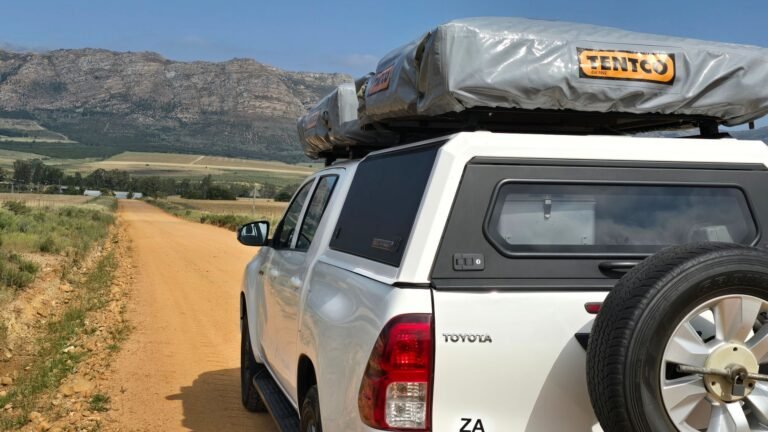
- Car Rentals: Renting a car is an excellent way to explore at your own pace. Ensure you have an international driving permit and familiarize yourself with local driving laws.
- Guided Tours: Consider joining guided tours for safaris or visits to national parks, as local guides provide valuable insights and ensure safety.

Must-See Attractions
South Africa is home to many breathtaking attractions, from stunning natural landscapes to vibrant cities. Planning your itinerary ahead of time can help ensure you experience the highlights.
Some must-see attractions include:
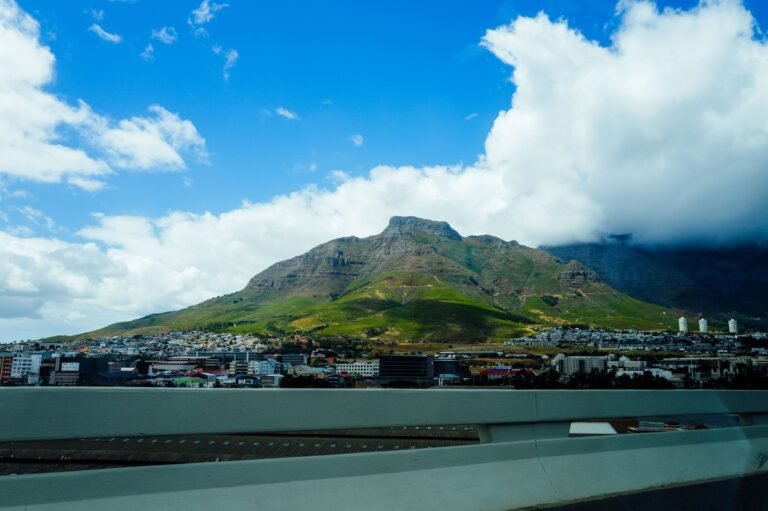
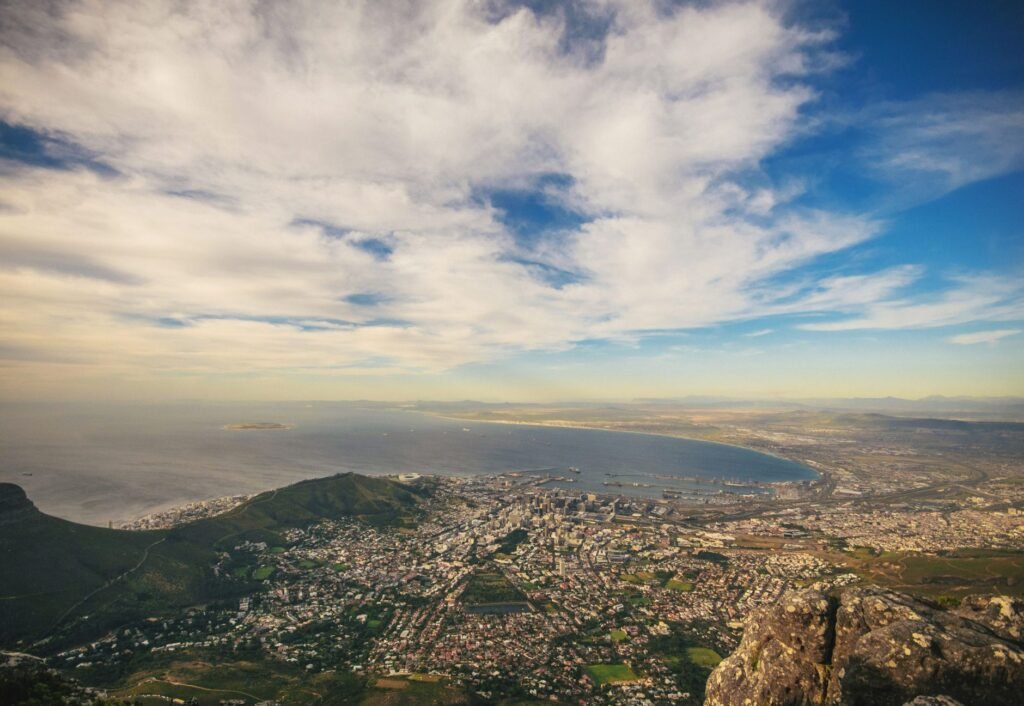
- Table Mountain: Located in Cape Town, this iconic flat-topped mountain offers breathtaking views and excellent hiking trails.
- Kruger National Park: One of Africa’s largest game reserves, Kruger is a great place to see the Big Five (lion, leopard, elephant, buffalo, and rhinoceros).
- Robben Island: A UNESCO World Heritage Site, this island is famous for its history as a prison for Nelson Mandela.
- Cape Winelands: Explore the scenic vineyards and sample wines in regions like Stellenbosch and Franschhoek.
Local Cuisine
South African cuisine is a reflection of its diverse cultures and traditions. Sampling local dishes is a crucial part of your travel experience. Each region has its specialties, influenced by indigenous and colonial histories.
Popular dishes include:
- Braai: A traditional barbecue where meats are grilled over an open flame, often accompanied by sides like pap (maize porridge) and chakalaka (spicy vegetable relish).
- Bunny Chow: A street food favorite originating from Durban, this dish consists of hollowed-out bread filled with curry.
- Bobotie: A Cape Malay dish made of spiced minced meat topped with an egg-based custard.
Don’t miss out on local markets where you can try a variety of foods and meet local artisans. Street food is also a fantastic way to experience the country’s flavors.

Understanding the South African Climate
Seasonal Variations
South Africa’s climate is as diverse as its landscapes, with different regions experiencing varying weather patterns. The country typically has four distinct seasons: summer (November to February), autumn (March to May), winter (June to August), and spring (September to October). Summer can bring high temperatures and thunderstorms, especially in the northeastern regions, while winters are cooler and drier, particularly in the interior areas.
When planning your trip, consider the climate of the specific regions you intend to visit. For example, the coastal areas have a mild climate year-round, while the interior can experience significant temperature fluctuations. Below is a brief overview of the seasonal weather patterns in key regions:
- Cape Town: Mediterranean climate; warm, dry summers and cool, wet winters.
- Johannesburg: Highveld climate; mild summers with afternoon thunderstorms and dry, sunny winters.
- Durban: Humid subtropical climate; hot, humid summers and warm, dry winters.
- Kruger National Park: Tropical savanna climate; hot summers with rain and cool, dry winters ideal for game viewing.
What to Pack for Your Trip
Given the diverse climate, packing appropriately is crucial for a comfortable trip. Here are some essential items to consider bringing:
- Lightweight Clothing: Breathable fabrics for hot days, especially in summer.
- Layered Attire: Warmer layers for cooler evenings and mornings, particularly in winter.
- Sun Protection: Sunscreen, hats, and sunglasses to protect against the strong UV rays.
- Comfortable Footwear: Good quality walking shoes for exploring cities and national parks.
- Rain Gear: A light rain jacket or poncho for unexpected showers, especially in summer.
Also, consider packing a refillable water bottle, as staying hydrated is essential, especially during outdoor activities.
Understanding Local Etiquette and Customs
Greetings and Social Interactions
Familiarizing yourself with local customs can enhance your interactions and experiences in South Africa. Greetings vary among different cultures and communities, but a friendly handshake is generally acceptable for initial introductions. In more traditional settings, a respectful nod and a warm, genuine smile can go a long way.
When addressing someone, especially in formal situations, it’s polite to use titles (Mr., Mrs., Dr.) followed by their last name until invited to use their first name. Be mindful of the cultural context; for instance, among the Xhosa people, it’s customary to greet everyone in a group, not just the person you know.
Dining Etiquette
Dining customs can vary significantly across South Africa, influenced by the country’s rich cultural tapestry. Here are some key points to remember:
- Waiting for Everyone: It is polite to wait for everyone to be served before starting your meal.
- Sharing Food: It is common to share dishes; do not hesitate to offer your food to others.
- Using Cutlery: In most restaurants, cutlery is expected, but traditional meals may be eaten with the hands.
- Tipping Norms: Tipping around 10-15% is standard practice in restaurants; ensure it reflects the quality of service.

Exploring South Africa’s Diverse Landscapes
National Parks Beyond Kruger
While Kruger National Park is a highlight for many visitors, South Africa is home to numerous other national parks that offer unique experiences and stunning landscapes. Here are a few worth exploring:
- Addo Elephant National Park: Located in the Eastern Cape, it is known for its large elephant population and diverse wildlife, including the Big Seven (elephants, lions, leopards, rhinos, buffalo, great white sharks, and Southern right whales).
- Table Mountain National Park: Famous for its flat-topped mountain, this park offers breathtaking views of Cape Town and the surrounding ocean. It also features various hiking trails suited for all levels.
- Cederberg Wilderness Area: Known for its dramatic rock formations and rich San rock art, it’s perfect for hiking, rock climbing, and exploring nature.
- Tsitsikamma National Park: This coastal park is renowned for its lush forests, dramatic cliffs, and marine ecosystems. It’s ideal for hiking and kayaking.
Adventure Activities
South Africa is a playground for adventure seekers, offering a plethora of outdoor activities. Here are some popular options to consider:
- Shark Cage Diving: Experience the thrill of coming face-to-face with great white sharks in Gansbaai.
- Bungee Jumping: Take the plunge from the Bloukrans Bridge, one of the highest bungee jumps in the world.
- Safari Experiences: Go on a guided safari to witness the incredible wildlife up close in a variety of national parks.
- Hiking: Explore the Drakensberg Mountains, where trails range from easy walks to challenging hikes.
Each of these activities provides not just adrenaline but also a chance to appreciate the breathtaking natural beauty of the country.
Frequently Asked Questions
What is the best time to visit South Africa?
The best time to visit varies by region. Generally, the dry winter months from May to September are ideal for safaris, while the summer months are great for the coast.
Is South Africa safe for tourists?
While many areas are safe, it’s important to stay vigilant and follow safety guidelines. Research your destination and take necessary precautions.
What currency is used in South Africa?
The official currency is the South African Rand (ZAR). Credit cards are widely accepted, but it’s advisable to carry some cash for smaller purchases.
Do I need vaccinations before traveling?
Consult with a healthcare provider about recommended vaccinations. Common recommendations include Hepatitis A, Typhoid, and in certain areas, malaria prophylaxis.
The Bottom Line
Traveling to South Africa offers a unique blend of cultures, stunning landscapes, and rich history. By being informed about local customs, safety precautions, and travel logistics, you can ensure a memorable and enjoyable trip. Embrace the diversity, savor the local cuisine, and immerse yourself in the vibrant experiences that South Africa has to offer.
Visa rules, prices and opening times change. Always confirm details with official sources before you travel.