For many travelers, their first journey to Asia is a thrilling blend of excitement and uncertainty. The continent’s immense diversity can make packing feel like a puzzle. From the lush jungles of Thailand to the misty temples of Kyoto and the buzzing streets of Singapore, Asia offers every climate, culture, and travel style imaginable. What you bring can dramatically shape your comfort, convenience, and peace of mind along the way.
This guide will walk first time travelers through a thoughtfully curated Asia packing list designed to handle varied conditions and local customs. Beyond the essentials, you’ll find insight into what is truly useful, what to skip, and how to pack efficiently for long journeys. Whether you are heading for adventure, cultural exploration, or a little of both, this comprehensive list will help you pack smart, travel light, and feel prepared from the moment you touch down.
Clothing: Comfort Meets Cultural Awareness
Asia’s climates range from tropical humidity to cool mountain air, and dressing correctly is key to blending in and feeling comfortable. When planning your travel wardrobe, think layers, versatility, and cultural respect.
1. Lightweight, breathable fabrics
Cotton, bamboo, and moisture wicking materials are best in regions like Southeast Asia where heat and humidity dominate. Avoid heavy fabrics that dry slowly, especially if you will be washing items by hand. Quick dry shirts and travel pants are lifesavers for days of sightseeing or moving between cities.
2. Modest attire for cultural sites
Temples, mosques, and shrines often require visitors to dress modestly. Pack a light scarf or shawl to cover shoulders, and ensure skirts or pants fall below the knees. A large scarf can also double as a sun protector or light wrap during travel days.
3. Layering for varying climates
If you are moving across regions, remember that Asia encompasses everything from tropical beaches to alpine zones. A thin fleece or packable jacket handles cool evenings or sudden rain in mountain areas. Even in tropical destinations, air conditioned trains and hotels can feel chilly.
4. Footwear
Bring one reliable pair of walking shoes for long days of exploration. Add lightweight sandals or flip flops for beaches and casual wear. If you expect to trek, sturdy hiking shoes are worthwhile. Shoes that slip on and off easily are ideal for visiting temples where footwear must be removed.
Health, Hygiene, and Personal Care
Maintaining health and cleanliness while traveling through Asia can be easier if you are well prepared. Many essentials are widely available, but carrying the right personal items ensures comfort from day one.
Travel size toiletries keep your bag light and comply with flight regulations. Basic soap, shampoo, and toothpaste are easily found in major cities, but for sensitive skin or preferred brands, pack your own.
Sunscreen and insect repellent are must haves. In tropical areas mosquitoes can be bothersome, and sun exposure is intense. Bring reef safe sunscreen if beach destinations are on your itinerary, as some islands now restrict harmful chemical formulas.
First aid kit should include pain relievers, motion sickness tablets, antiseptic cream, and adhesive bandages. Add any prescription medications and keep them accompanied by a doctor’s note if necessary. In remote areas, familiar medication brands may be difficult to locate.
Wet wipes and sanitizer are invaluable for long train rides, market visits, and street food stops. Clean hands mean fewer travel interruptions due to illness.
Travel Documents and Safety Essentials
Few things disrupt an adventure faster than misplaced documents. Safeguard your important papers and digital records before departure.
1. Passport and visa documentation
Photocopy your passport ID page and keep digital copies secured in cloud storage. Carry physical copies separately from the original. Check entry requirements well in advance as Asia’s visa policies vary greatly between countries.
2. Travel insurance proof
Medical emergencies abroad can be costly. Have accessible evidence of your insurance policy and know the process for making claims or contacting the provider.
3. Secure money management
A combination of cash and cards is ideal. In many parts of Asia, especially in rural areas, cash still rules. Use an RFID blocking wallet or money belt to prevent theft and carry small denominations for local markets. Mobile payment systems are also becoming common in major cities, particularly in China and Singapore.
4. Emergency contacts
Keep a written list of embassy addresses, key phone numbers, and local emergency services. Phones can be lost or out of power, so having hard copies ensures you always have a lifeline.
Electronics and Connectivity
Asia is known for excellent infrastructure in urban centers, but travelers should still plan carefully when it comes to staying powered and connected.
Universal power adapter is essential since plug types vary widely between nations. A model with multiple USB ports helps charge several devices at once.
Portable power bank keeps your phone and camera charged during long sightseeing days or overnight transport.
Unlocked smartphone allows you to purchase local SIM cards for quick and affordable mobile data. In countries like Vietnam or Japan, easy airport SIM kiosks make activation simple, saving you from high roaming fees.
Noise cancelling headphones or a good quality earplug set can be valuable for buses, flights, or hostels where ambient noise is part of the experience.
Practical Accessories That Enhance the Journey
Small accessories often make the biggest difference in comfort and efficiency.
Reusable water bottle helps reduce plastic waste and ensures you stay hydrated throughout tropical climates. Look for bottles with integrated filters if traveling to areas with uncertain water safety.
Compact travel towel dries quickly and works well for hostels or spontaneous swims.
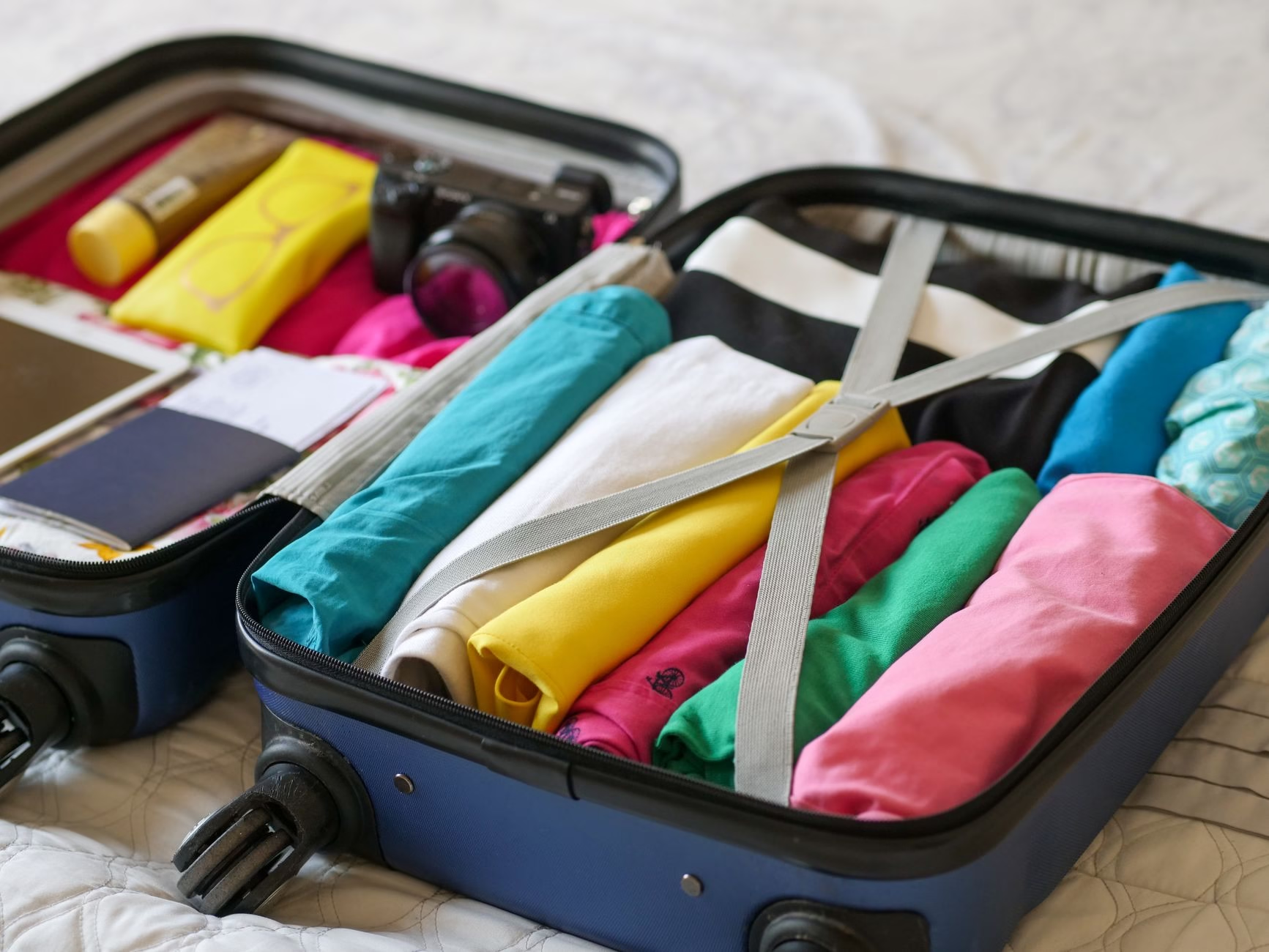
Packing cubes bring organization to your suitcase or backpack, separating clean and dirty clothes while making unpacking much easier.
Travel laundry kit comprised of a sink stopper and small detergent helps you keep clothes fresh on long trips. It also allows you to travel lighter knowing you can wash along the way.
Daypack or crossbody bag is handy for sightseeing. Choose one with zippers and interior compartments to keep valuables secure.
Cultural Considerations and Local Etiquette
Packing wisely goes beyond gear and clothes. It also means equipping yourself mentally for cultural courtesy.
Carry a small gift or token of appreciation when visiting homes or joining community programs. Respect customs around greetings, temple visits, and personal space. For example, in Thailand it’s customary to remove shoes before entering a home, while in Japan quiet politeness is valued in public places.
Having lightweight clothing suitable for modest dress shows respect and invites warmer interactions. A little preparation in this area can transform how easily you connect with people wherever you go.
Final Packing Tips for Efficiency
A well packed bag is one that supports freedom of movement and peace of mind throughout your trip.
- Lay everything out, then remove one third before packing. Minimalism makes travel simpler.
- Keep your heaviest items near the bottom or back panel of your pack for better balance.
- Use digital backups for important information and carry physical notes of key addresses.
- Reserve extra room for souvenirs or market finds. Asia’s handicrafts, textiles, and teas are irresistible and often worth bringing home.
Conclusion: Ready to Explore Asia with Confidence
Your first trip to Asia should feel like a journey of discovery, not a logistical challenge. By packing thoughtfully, you gain freedom to fully enjoy each moment, from sipping chai on a vibrant Delhi street to hiking through Bali’s green terraces. With the right essentials, a bit of organization, and cultural understanding, you will navigate the continent with ease and confidence.
Use this Asia packing list as your foundation and adapt it to your travels, remembering that comfort and respect are your most valuable travel companions. The more prepared you are, the richer your experience will be.
Further Reading
3 Day Istanbul Itinerary for First Time Visitors
Travel to Somalia; How I Traveled to Mogadishu
Free Family Things to do in Chicago Today
How to Spend Four Days in Hong Kong