Five Hours to Catch a Croc on Queensland Beach: A Practical Guide
Learn how to catch a croc on Queensland beach in just five hours with practical tips, times, and safety advice.
Queensland, Australia, offers some of the most breathtaking coastal sceneries and wildlife experiences in the world. Among its unique attractions are the elusive saltwater crocodiles that inhabit its beaches and waterways. If you find yourself with just five hours to spare, you can embark on an exciting adventure to catch a glimpse of these fascinating creatures. This guide provides practical tips, ideal locations, and safety precautions to ensure a successful croc-catching expedition.
While catching a crocodile may conjure images of thrill-seeking adventures, the reality is that it requires careful planning and respect for these magnificent animals. Saltwater crocodiles are formidable predators, and understanding their behavior and habitat is essential for both safety and success. With the right knowledge, equipment, and mindset, your five-hour journey can become a memorable encounter with nature.
This guide aims to equip you with everything you need to know about spending five hours to catch a croc on Queensland beach effectively and safely. Whether you are an experienced adventurer or a curious beachgoer, you will find valuable insights in this comprehensive overview.
Understanding Saltwater Crocodiles
Before you set out on your adventure, it’s crucial to understand the species you’re hoping to catch a glimpse of. Saltwater crocodiles (Crocodylus porosus) are the largest living reptiles and can weigh over a ton, with some individuals measuring up to 7 meters (23 feet) long. They are primarily found in the northern regions of Australia, but their range extends throughout Southeast Asia.
These reptiles are known for their incredible strength and stealth. They spend much of their time in the water, surfacing only to bask in the sun or hunt. Saltwater crocodiles are opportunistic feeders, primarily preying on fish, birds, and mammals. Understanding their feeding habits and behavior can help you identify the best times and locations for spotting them.
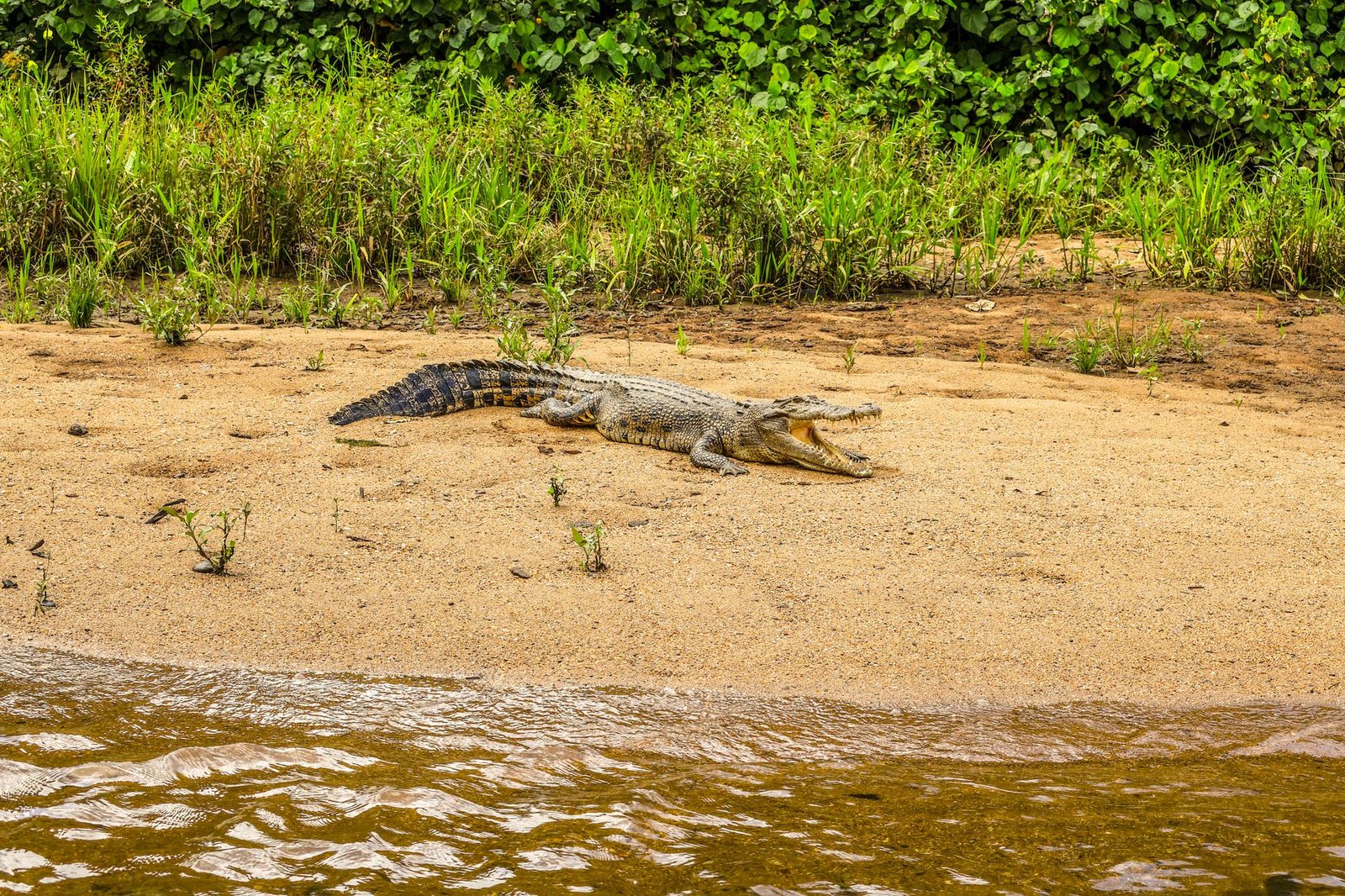
It’s also important to recognize the signs of crocodile activity in the area. Look for tracks in the sand, slides leading into the water, or basking spots on riverbanks. Being aware of these signs can increase your chances of encountering a crocodile.
Best Locations for Crocodile Spotting
Queensland is home to numerous locations where you can spot saltwater crocodiles. Here are some of the best beaches and waterways to consider when planning your five-hour adventure:
- Far North Queensland: The Daintree River and Cape Tribulation are famous for their crocodile sightings. Guided river cruises provide excellent opportunities to observe these reptiles in their natural habitat.
- Cardwell: This coastal town is known for its crocodile population. You can find them basking on the banks or swimming in the nearby waters.
- Mission Beach: While primarily known for its stunning beaches, Mission Beach is also home to crocodiles. Look for them in the nearby rivers and estuaries.
- Townsville: The Ross River and surrounding mangroves are known for crocodile activity. Enjoy a day out on the water while keeping an eye out for these reptiles.
- Hervey Bay: This area is not only famous for whale watching but also has a healthy population of crocodiles. Explore the nearby rivers and wetlands for the best chances of spotting them.
Best Times to Spot Crocodiles
Timing is key when it comes to spotting crocodiles. They are more active during specific times of the day, which can significantly increase your chances of an encounter. Here are some tips on the best times to observe saltwater crocodiles:
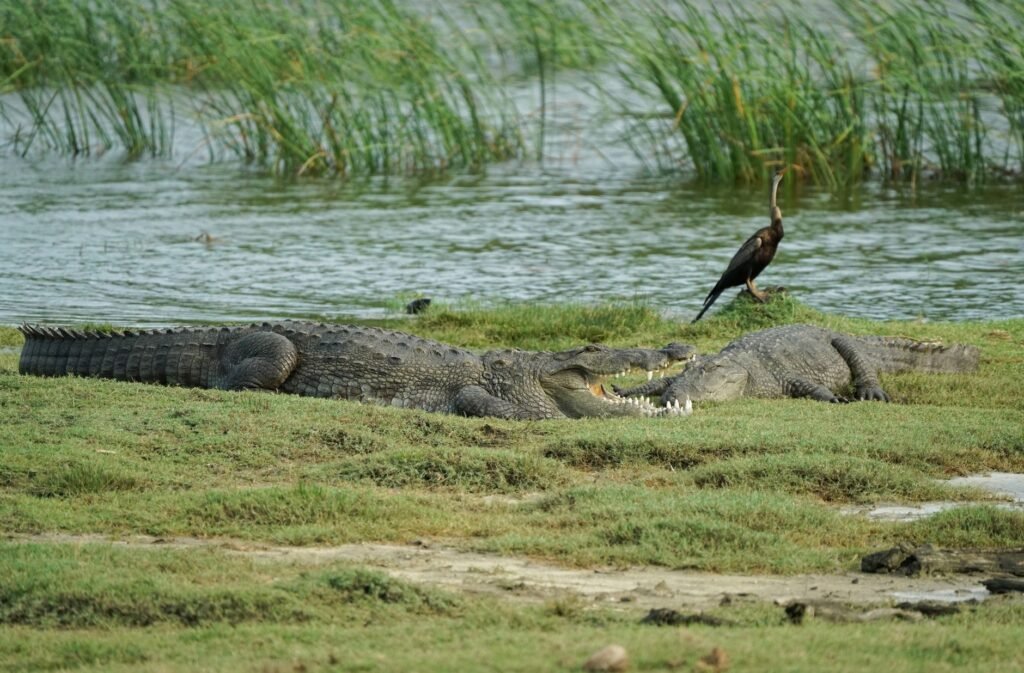
- Early Morning: Crocodiles tend to bask in the sun during the early morning hours. This is an ideal time to spot them as they are often visible on riverbanks or beaches.
- Late Afternoon: Similar to the morning, late afternoon is another active time for crocodiles. They may be out basking or hunting as the sun begins to set.
- During Low Tide: When water levels drop, it can expose basking spots and increase visibility. Look for crocodiles lounging on mudflats or sandbanks during low tide.
Essential Gear for Crocodile Spotting
Having the right gear is essential for a successful crocodile spotting adventure. Here is a list of recommended items to bring along:
- Binoculars: A good pair of binoculars will help you spot crocodiles from a distance without disturbing them.
- Camera: Capture the moment with a camera that has a zoom lens to take clear photos from a safe distance.
- Sun Protection: Sunscreen, hats, and sunglasses are necessary to protect yourself from the sun’s rays, especially when spending time on the beach.
- Insect Repellent: Mosquitoes can be prevalent in crocodile habitats, so bring insect repellent to keep them at bay.
- Water and Snacks: Staying hydrated and energized is crucial during your outing, so pack plenty of water and light snacks.
Techniques for Spotting Crocodiles
Once you have your gear ready, it’s time to employ some techniques for spotting crocodiles. Here are some effective methods to increase your chances:
- Stay Quiet: Crocodiles are sensitive to vibrations and noise. Move quietly and avoid sudden movements to increase your chances of a sighting.
- Look for Ripples: Observe the water for ripples or disturbances that may indicate a crocodile swimming or surfacing.
- Scan the Shoreline: Take your time to scan the shoreline for any signs of crocodiles basking in the sun or resting on the banks.
Safety Precautions
While the prospect of spotting a crocodile can be thrilling, safety should always be your top priority. Here are some essential safety precautions to keep in mind:
- Keep Your Distance: Always maintain a safe distance from crocodiles. They are wild animals and can be unpredictable.
- Avoid Swimming: Do not swim in known crocodile habitats. Even if you don’t see one, they may still be lurking beneath the surface.
- Follow Local Guidelines: Pay attention to any signs or warnings indicating crocodile presence. Adhere to all local regulations regarding wildlife interactions.
Real-Life Example of a Croc Spotting Adventure
A couple from Melbourne, Sarah and Tom, decided to explore Queensland’s crocodile habitats during their vacation. With just five hours to spare, they chose a guided river cruise on the Daintree River. Their guide provided them with insights into crocodile behavior and the best spots to look for them.
As they glided through the mangroves, the pair marveled at the lush scenery. They spotted their first crocodile basking on a riverbank within minutes. The guide shared fascinating facts about the crocodile’s hunting techniques and habitat. Sarah and Tom felt both excitement and respect for the creature as they took photographs from a safe distance, enjoying the thrill of witnessing wildlife in its natural environment.
By the end of their five-hour adventure, they had spotted several crocodiles and learned valuable information about these magnificent reptiles. The experience left them with unforgettable memories and a newfound appreciation for Queensland’s wildlife.

Understanding the Ecosystem of Queensland Beaches
Before embarking on your crocodile spotting adventure, it is crucial to understand the unique ecosystem of Queensland beaches. These environments are not just home to crocodiles but also host a variety of wildlife and flora that play a critical role in the ecosystem.
The Intertidal Zone
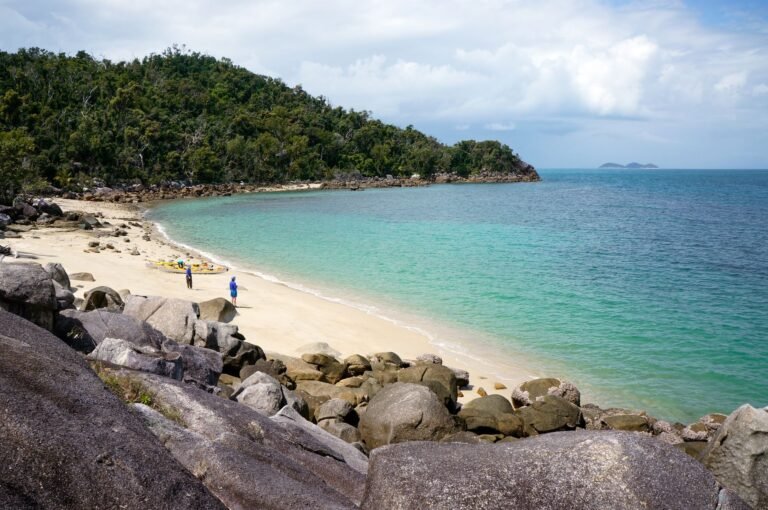
The intertidal zone, or the area between high and low tide, is teeming with life. This region includes rocky shorelines, sandy beaches, and mangroves, all of which provide habitats for numerous species. It is essential to be aware that crocodiles often patrol these areas, especially during low tide.
- Rocky Shorelines: Provide shelter and nesting sites for birds and reptiles.
- Sandy Beaches: Serve as nesting grounds for turtles and a hunting ground for crocodiles.
- Mangroves: Act as nurseries for fish and other sea life, which attract crocodiles.
Flora and Fauna Interactions
Understanding the interaction between flora and fauna can enhance your crocodile spotting experience. Certain plants, like mangroves, provide shelter and breeding grounds for fish, which in turn attract crocodiles. Observing these interactions can help you locate potential crocodile hotspots.
Additionally, be mindful of other wildlife in the area, as they can signal the presence of crocodiles. For instance, a sudden silence in bird calls can indicate that a predator, such as a crocodile, is nearby.
Photography Tips for Capturing Crocodile Sightings
Capturing the perfect shot of a crocodile can be challenging yet rewarding. Here are some essential photography tips to help you document your adventure.
Choosing the Right Equipment
Having the right equipment can make a significant difference in the quality of your photographs. While a high-end camera is beneficial, even smartphones can capture great images if used wisely.
- Camera: A DSLR or mirrorless camera with a telephoto lens is ideal for capturing distant subjects.
- Smartphone: Ensure your lens is clean, and consider using zoom features or external lenses for better quality.
- Tripod: A portable tripod can stabilize your shots, especially in low-light conditions.
Timing and Composition
Timing is crucial when photographing crocodiles. Early morning or late afternoon provides the best natural light, enhancing your images. Additionally, consider the composition of your shots. Try to include elements of the landscape to provide context and depth to your photos.
When framing your shot, aim to follow the rule of thirds. Place the crocodile off-center to create a more dynamic image. Furthermore, be patient and wait for the right moment when the crocodile is active, as this can lead to more compelling photographs.
Conservation Efforts and Responsible Tourism
As thrilling as crocodile spotting can be, it is vital to approach this activity responsibly to ensure the protection of these magnificent creatures and their habitats.
Understanding Conservation Status
Saltwater crocodiles are protected species in Australia, and their populations are closely monitored. Understanding their conservation status can enhance your appreciation for these animals and the ecosystems they inhabit. It is essential to respect their habitat and avoid littering or disturbing the environment.
- Protected Species: Saltwater crocodiles are listed as protected under Australian law.
- Habitat Conservation: Efforts are underway to preserve mangroves and coastal habitats critical to crocodile survival.
- Community Involvement: Many local organizations work towards educating the public about crocodile conservation.
Practicing Responsible Wildlife Viewing
When engaging in crocodile spotting, practicing responsible wildlife viewing is imperative. Maintain a safe distance and avoid feeding or enticing crocodiles to approach. Doing so not only jeopardizes their natural behavior but also poses risks to your safety.
Moreover, follow local regulations and guidelines set by wildlife authorities. Participating in guided tours led by experienced professionals can enhance the experience while ensuring adherence to safety and conservation practices. These guides are often well-versed in crocodile behavior and habitats, providing valuable insights during your adventure.
Understanding Crocodile Behavior
Feeding Patterns
Saltwater crocodiles have specific feeding habits that can significantly influence when and where they are spotted. They are ambush predators, often waiting motionless for their prey to come close. Understanding their feeding patterns can enhance your chances of a sighting. Typically, they hunt at dawn and dusk, taking advantage of low light conditions. Observing these times can increase your likelihood of encountering a crocodile.
Territoriality and Nesting
Crocodiles are territorial creatures, especially during the nesting season, which usually occurs from September to January. During this time, female crocodiles become particularly aggressive in defending their nests. Knowing when the nesting season is can help you plan your visit accordingly. It is also vital to keep a safe distance from any nesting sites, as approaching them can provoke an attack.
- September to January: Nesting season
- February to August: Less aggressive behavior
Local Guides and Tours
Finding Reputable Guides
Engaging a local guide can vastly improve your crocodile spotting experience. Local guides have an intimate knowledge of the area, including the best spots and times for sightings, as well as safety measures. Look for guides who have certifications and positive reviews. They often provide equipment and insights that can enhance your adventure.
Tour Options
There are various tour options available for those looking to catch a glimpse of crocodiles. Some popular tours include boat excursions, kayak trips, and even walking tours along the coastline. Each type of tour offers a unique perspective and experience. For example, boat tours provide a wider view of the water, while kayak trips allow for closer encounters.
- Boat Excursions
- Kayak Trips
- Walking Tours
Photography and Videography Equipment
Essential Camera Gear
Capturing the perfect shot of a crocodile requires the right equipment. A camera with a good zoom lens will allow you to take clear photos from a safe distance. Additionally, consider using a tripod or stabilizer for video footage to ensure smooth shots, especially in low light conditions. A waterproof camera case can also be beneficial in case of splashes or rain.
Post-Processing Techniques
After your trip, enhancing your photos through post-processing can make a significant difference. Use editing software to adjust lighting, contrast, and colors to make your images pop. Crocodiles often blend into their environment, so enhancing the contrast can help them stand out in your photos.
- Use a zoom lens for close-up shots
- Consider a tripod for stability
- Edit photos for better visual appeal
Frequently Asked Questions
Can you catch a crocodile in Queensland?
No, it is illegal to catch or harm crocodiles in Queensland. Observing them from a safe distance is the recommended approach.
What should I do if I see a crocodile?
Maintain a safe distance, do not provoke the animal, and follow local guidelines. If you are in a guided tour, listen to your guide’s instructions.
Are crocodiles dangerous to humans?
Yes, saltwater crocodiles are considered dangerous, and encounters should be approached with caution. Always follow safety guidelines in crocodile habitats.
What time of year is best for crocodile spotting?
While crocodiles can be seen year-round, the dry season (May to October) is generally the best time for spotting, as water levels drop and basking areas become more accessible.
The Bottom Line
Spending five hours to catch a croc on a Queensland beach can be an exhilarating adventure, provided you are well-prepared and respect the wildlife. Understanding where and when to spot crocodiles, the essential gear to bring, and the safety precautions to take will enhance your experience. With the right approach, you can create unforgettable memories while appreciating the natural beauty of Queensland’s diverse wildlife.
Visa rules, prices and opening times change. Always confirm details with official sources before you travel.