Best Time to Visit Scandinavia: Seasonal Highlights Explored
Discover the best time to visit Scandinavia and enjoy its stunning landscapes, vibrant culture, and outdoor adventures throughout the year.
Scandinavia, known for its stunning fjords, vibrant cities, and rich cultural heritage, is a region that attracts travelers year-round. However, the best time to visit Scandinavia largely depends on what you wish to experience. From the enchanting Midnight Sun of summer to the magical Northern Lights in winter, each season offers a unique charm and set of activities.
In this guide, we will explore the various seasons in Scandinavia, highlighting the advantages of visiting during each period. Whether you’re looking to hike in the breathtaking landscapes, enjoy winter sports, or immerse yourself in local culture, understanding the seasonal nuances will help you plan your ideal trip.
By the end of this article, you will be equipped with the knowledge to choose the best time to visit Scandinavia that aligns with your travel interests and preferences.
Spring: Awakening Nature and Fewer Crowds
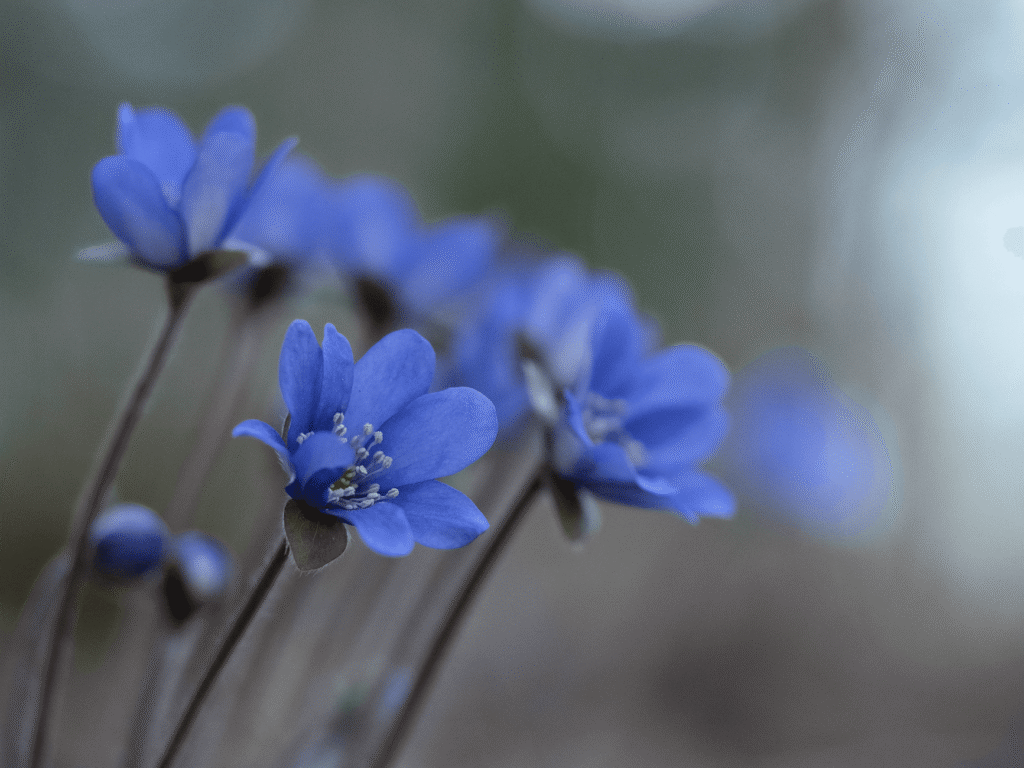
Spring in Scandinavia typically spans from March to May. As the snow melts and temperatures rise, the landscape begins to bloom, offering picturesque views of flowers and greenery. This season is ideal for those who enjoy mild weather and fewer tourists.
During spring, cities like Oslo, Stockholm, and Copenhagen come alive with festivals and outdoor events. The longer daylight hours allow for extended sightseeing opportunities, making it a great time to explore historical sites and parks without the summer crowds.
Typical spring temperatures range from 5°C to 15°C (41°F to 59°F), depending on the specific location. Here are some activities to consider during this season:
- Visit the famed Tulip Festival in Oslo, where thousands of tulips blossom, creating a colorful spectacle.
- Explore the hiking trails in Sweden’s national parks, where waterfalls begin to flow and wildlife emerges.
- Attend local cultural events, such as the Valborg celebration in Sweden, which marks the arrival of spring with bonfires and festivities.
Summer: The Land of the Midnight Sun
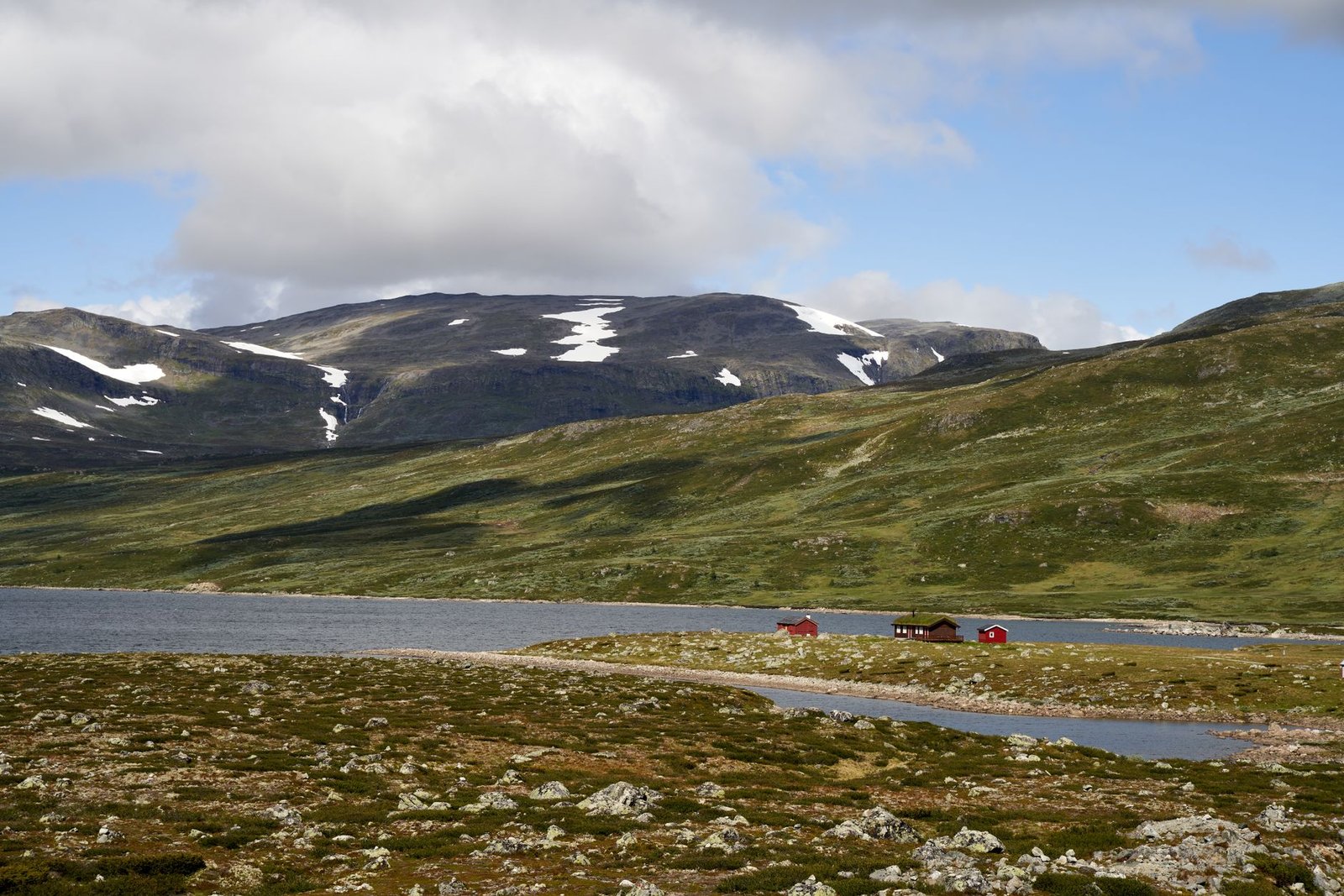
Summer is often regarded as the peak travel season in Scandinavia, running from June to August. The region experiences long daylight hours, especially in the northern parts, where the sun never sets for weeks on end. This phenomenon, known as the Midnight Sun, creates perfect conditions for exploring the great outdoors.
Temperatures during summer can vary widely, typically ranging from 15°C to 25°C (59°F to 77°F). Coastal areas might be cooler, while inland regions can become quite warm. Popular summer activities include:
- Hiking in the stunning Lofoten Islands, where dramatic landscapes offer challenging trails and breathtaking views.
- Kayaking in the fjords of Norway, providing a unique perspective of the towering cliffs and serene waters.
- Exploring the vibrant local festivals, such as Midsummer celebrations, which are filled with traditional music, dancing, and delicious food.
However, it’s essential to book accommodations and activities in advance, as summer is the busiest time for tourists. For example, a family planning a trip to Norway in July might find it challenging to secure a spot on popular tours without prior reservations.
Fall: A Tapestry of Colors
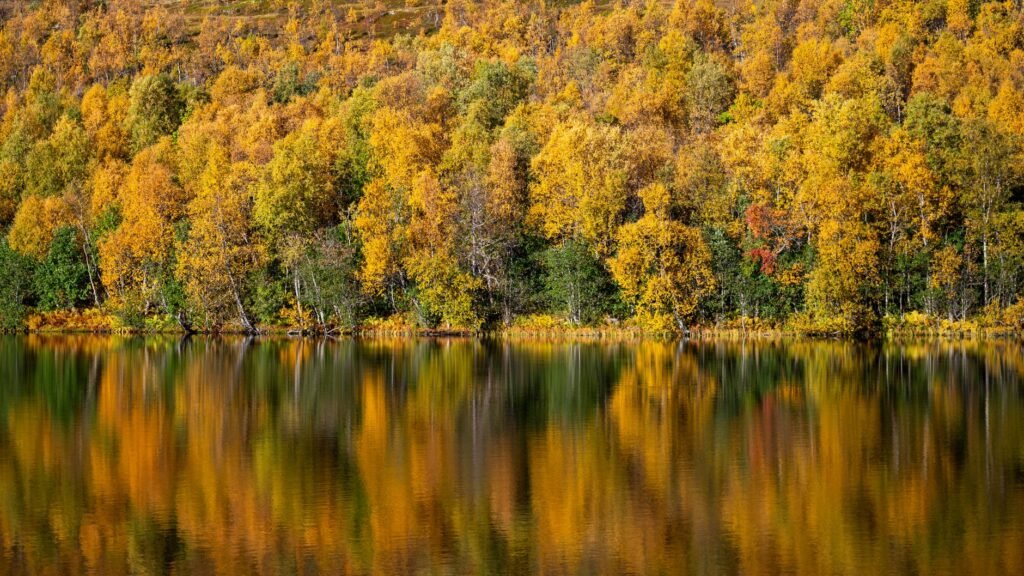
As summer fades, fall sweeps across Scandinavia from September to November, transforming the landscapes into a stunning array of warm hues. This season is characterized by crisp air, colorful foliage, and a gradual decrease in tourist numbers, making it an excellent time for travel.
During the fall months, temperatures typically range from 5°C to 15°C (41°F to 59°F). The changing colors create picturesque backdrops for outdoor activities. Here are some fall highlights:
- Visit national parks like Abisko in Sweden, where the fall colors create breathtaking vistas, perfect for photography.
- Participate in local harvest festivals, celebrating seasonal produce and traditional foods.
- Enjoy hiking amidst the colorful trails of Finland’s national parks, where the autumnal scenery is nothing short of spectacular.
Fall also marks the beginning of the Northern Lights season, especially in northern regions. For example, a couple visiting Tromsø in late September may have the chance to witness their first Aurora Borealis, creating an unforgettable experience.
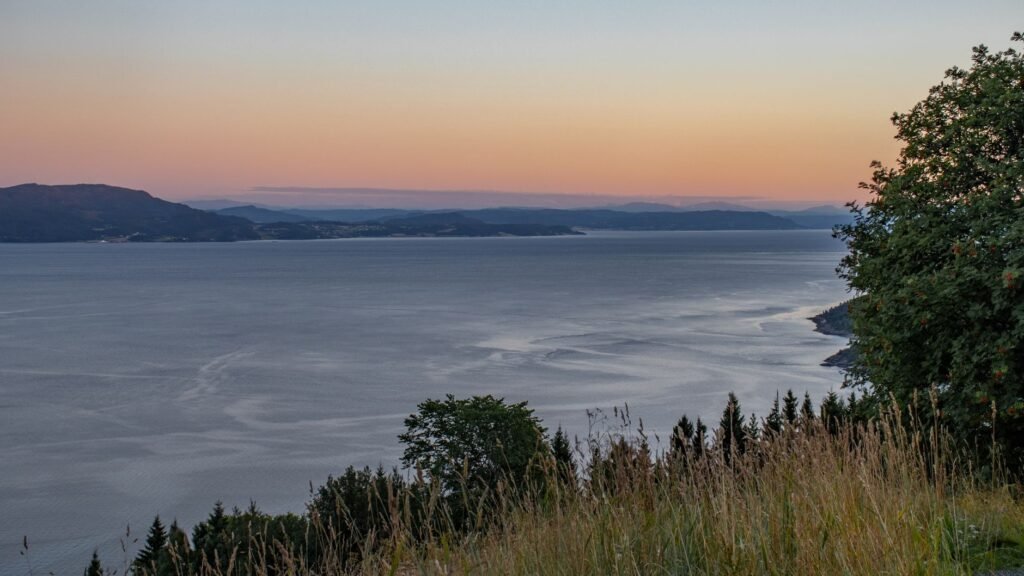
Winter: Embrace the Snow and Northern Lights
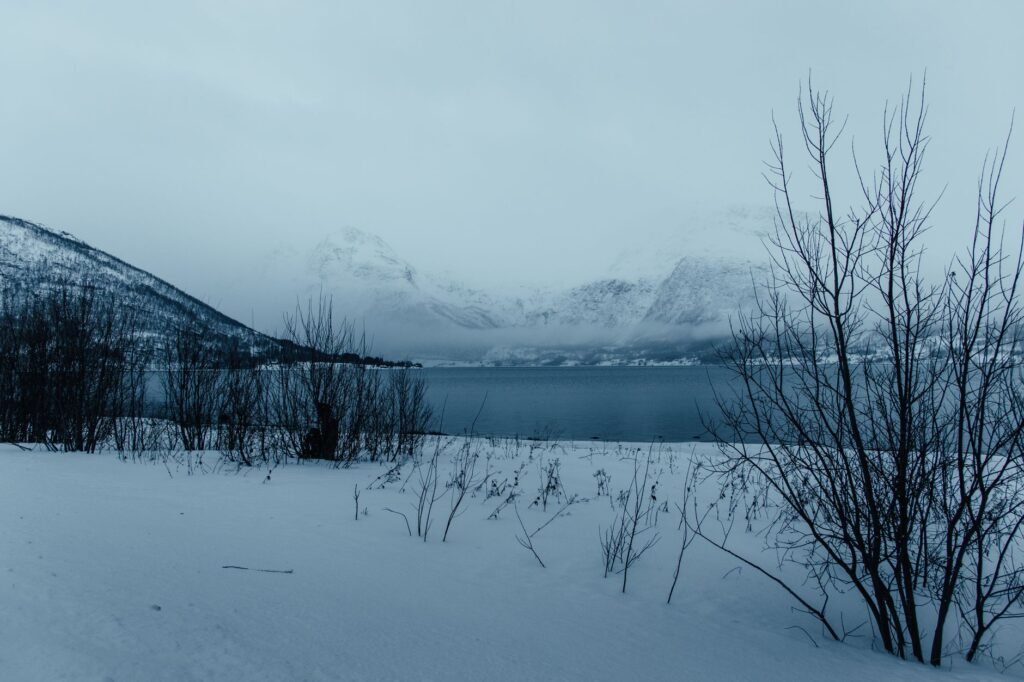
Winter in Scandinavia, lasting from December to February, is a magical time characterized by snow-covered landscapes and festive celebrations. This season is ideal for those who enjoy winter sports and the beauty of the Auroras.
Temperatures can be quite cold, often falling below freezing, with averages between -5°C to -15°C (23°F to 5°F), especially in northern areas. Winter activities abound, including:
- Dog sledding and snowmobiling in Lapland, providing thrilling ways to explore the snowy wilderness.
- Visiting traditional Christmas markets, where visitors can buy handmade crafts and enjoy seasonal treats.
- Skiing in popular resorts, such as Åre in Sweden or Hemsedal in Norway, offering various slopes for all skill levels.
Additionally, experiencing the Northern Lights is a highlight of winter travel. Travelers might venture to Finland’s Kakslauttanen Resort, where glass igloos provide comfortable viewing spots for this natural wonder.
Choosing the Right Time Based on Interests
When planning your trip to Scandinavia, consider your personal travel interests and priorities. Each season offers unique experiences that cater to different preferences. Here’s a breakdown to help you decide:
| Interest | Best Season | Activities |
|---|---|---|
| Outdoor Activities | Summer | Hiking, kayaking, festivals |
| Winter Sports | Winter | Skiing, snowmobiling, dog sledding |
| Scenic Beauty | Fall | Photography, hiking, festivals |
| Cultural Experiences | Spring | Festivals, city tours, local cuisine |
By aligning your travel dates with your interests, you can maximize your enjoyment and make the most of your time in this beautiful region.
Exploring Scandinavian Festivals: A Seasonal Celebration
Winter Festivals
Winter in Scandinavia brings a magical atmosphere filled with festivities. Many cities celebrate the winter season with vibrant festivals showcasing local traditions, food, and art. Notable winter festivals include the Ice Music Festival in Geilo, Norway, where musicians perform on instruments made entirely of ice, creating a unique auditory experience. Another highlight is the Kiruna Snow Festival in Sweden, where talented artists construct intricate snow sculptures, turning the town into a winter wonderland.
- Ice Music Festival: Geilo, Norway – January
- Kiruna Snow Festival: Kiruna, Sweden – February
- Stockholm’s Winter Festival: Stockholm, Sweden – December
Attending these festivals offers visitors a glimpse into Scandinavian culture, complete with traditional music, hearty food, and friendly competition. Whether you are savoring warm mulled wine or marveling at spectacular ice sculptures, winter festivals provide a unique way to experience the region.
Summer Celebrations
As the days grow longer, Scandinavia comes alive with summer celebrations that take advantage of the pleasant weather. One of the most famous events is Midsummer, celebrated in Sweden and Finland, where locals gather to dance around maypoles and enjoy traditional foods like pickled herring and new potatoes. Festivals like the Oslo Jazz Festival in Norway highlight the vibrant music scene, attracting both local and international artists.
- Midsummer: Sweden and Finland – Late June
- Oslo Jazz Festival: Oslo, Norway – August
- Roskilde Festival: Roskilde, Denmark – Late June to Early July
These events foster a sense of community and celebration, making summer an excellent time to immerse yourself in local customs and enjoy the lively atmosphere. Participating in these festivities allows visitors to connect with the local culture while enjoying the natural beauty of Scandinavia.
Autumn Harvest Festivals
As autumn sets in, Scandinavia showcases its agricultural heritage with harvest festivals that celebrate the bounty of the season. The Skåne Food Festival in Sweden highlights local produce and artisanal foods, featuring everything from fresh fruits to homemade cheeses. In Norway, the Fagernes Harvest Festival offers visitors the chance to sample traditional dishes and participate in various workshops that teach about local food production.
- Skåne Food Festival: Skåne, Sweden – September
- Fagernes Harvest Festival: Fagernes, Norway – September
- Åland Harvest Festival: Åland Islands – October
These festivals not only highlight the region’s rich culinary heritage but also promote sustainable practices and local businesses. Attending these celebrations provides an excellent opportunity to taste seasonal delicacies and learn about the importance of agriculture in Scandinavian culture.
Unique Outdoor Activities by Season
Winter Adventures
Winter in Scandinavia offers a plethora of outdoor activities that cater to adventure enthusiasts and nature lovers alike. From dog sledding in Lapland to skiing in the fjords of Norway, the region is a winter playground. Dog sledding tours allow visitors to experience the breathtaking landscapes while learning about the importance of sled dogs in local culture. Alternatively, skiing in places like Åre or Hemsedal provides options for all skill levels, ensuring that everyone can enjoy the slopes.
- Dog Sledding: Lapland, Finland – December to March
- Skiing: Åre, Sweden – November to April
- Snowshoeing: Tromsø, Norway – December to March
These activities highlight the stunning winter scenery and allow visitors to engage with nature in a unique way. Whether you are gliding through the snow on skis or being pulled by a team of eager huskies, winter adventures in Scandinavia are unforgettable.
Summer Hiking Trails
Summer is the ideal time for hiking enthusiasts to explore the vast landscapes of Scandinavia. The region is home to numerous hiking trails that vary in difficulty and scenery, making it accessible for all levels of hikers. The Kungsleden Trail in Sweden is renowned for its stunning views of mountains, lakes, and pristine wilderness. For those seeking a more challenging experience, the Romsdalseggen Ridge in Norway offers breathtaking panoramas and exhilarating climbs.
- Kungsleden Trail: Sweden – Late June to September
- Romsdalseggen Ridge: Norway – June to September
- Preikestolen (Pulpit Rock): Norway – April to October
Hiking during the summer months allows visitors to fully appreciate the beauty of nature while enjoying the pleasant weather. The trails are well-marked, and many offer amenities such as cabins or campsites, making them perfect for multi-day treks.
Autumn Wildlife Watching
Autumn is a prime time for wildlife watching in Scandinavia, as animals prepare for winter and begin their seasonal migrations. The fall months provide a unique opportunity to see herds of reindeer in Lapland as they move to lower grounds. Birdwatchers can also enjoy the migration of various species, including swans and geese, that flock to the region during this time. National parks, such as Abisko in Sweden and Dovrefjell in Norway, offer guided tours tailored for wildlife enthusiasts.
- Reindeer Migration: Lapland, Finland – September to October
- Birdwatching Tours: Abisko National Park – September
- Moose Safaris: Dovrefjell National Park – September to October
Participating in wildlife watching tours not only allows visitors to observe animals in their natural habitats but also supports conservation efforts and promotes awareness of the region’s biodiversity. Autumn is a truly special time for nature lovers to connect with the wildlife of Scandinavia.
Culinary Experiences Throughout the Year
Winter Comfort Foods
The long, cold winter months in Scandinavia are perfect for indulging in hearty comfort foods that warm the soul. Traditional dishes such as reindeer stew, gravlax, and various types of cured fish are popular during this season. Many restaurants offer special winter menus that highlight local ingredients, ensuring that visitors get an authentic taste of Scandinavian cuisine. Additionally, markets often pop up, featuring local artisans selling homemade delicacies like honey and jams.
- Reindeer Stew: A must-try dish in Lapland
- Gravlax: Cured salmon served with mustard sauce
- Swedish Meatballs: Served with lingonberry sauce
Winter culinary experiences can be enhanced by taking part in cooking classes, where visitors can learn to prepare traditional dishes themselves, deepening their appreciation for the local culture.
Summer Seafood Festivals
Summer brings an abundance of fresh seafood to Scandinavian shores, and many coastal cities celebrate this with seafood festivals. The Lofoten Fish Festival in Norway showcases the region’s fishing heritage, featuring cooking demonstrations, tastings, and local vendors. In Sweden, the Herring Festival in Småland celebrates the arrival of new herring, with various dishes and local brews available for tasting.
- Lofoten Fish Festival: Lofoten Islands, Norway – August
- Herring Festival: Småland, Sweden – July
- Copenhagen Cooking: Copenhagen, Denmark – August
These festivals not only highlight the region’s rich fishing traditions but also provide a platform for local chefs to showcase their culinary talents. Visitors can enjoy the freshest seafood while mingling with locals and learning about sustainable fishing practices.
Autumn Culinary Discoveries
As autumn arrives, Scandinavian cuisine shifts to focus on seasonal products such as mushrooms, berries, and root vegetables. Food tours in cities like Oslo and Copenhagen allow visitors to explore local markets and sample dishes made from these fresh ingredients. The annual Food & Fun Festival in Reykjavik, Iceland, brings together chefs from around the world to create unique dishes using Icelandic ingredients, offering a fantastic opportunity to taste the fusion of local flavors.
- Mushroom Foraging Tours: Various locations – September to October
- Food & Fun Festival: Reykjavik, Iceland – February
- Autumn Harvest Dinners: Various restaurants in Scandinavia – October
Participating in these culinary experiences provides insight into the region’s food culture and allows visitors to appreciate the flavors of the season while supporting local chefs and farmers.
Frequently Asked Questions
What is the best time to visit Scandinavia for the Northern Lights?
The best time to visit Scandinavia for the Northern Lights is during the winter months, particularly from late September to March. The long nights and clear skies provide optimal viewing conditions.
Are there any festivals in Scandinavia throughout the year?
Yes, Scandinavia hosts numerous festivals year-round. Notable examples include Midsummer celebrations in June, Christmas markets in December, and various local food festivals during the harvest season in the fall.
How does the weather vary across Scandinavia?
The weather in Scandinavia varies significantly based on the region. Coastal areas tend to be milder, while northern regions experience colder temperatures and more pronounced seasonal changes. It’s essential to check the specific location’s climate before planning your trip.
Is it necessary to book accommodations in advance?
It’s highly recommended to book accommodations in advance, especially during peak seasons like summer and winter. Popular destinations can fill up quickly, so securing your stay early can help avoid last-minute stress.
The Bottom Line
Choosing the best time to visit Scandinavia depends on your interests and the experiences you seek. Whether you are drawn to the vibrant summer activities, the stunning fall colors, or the winter sports and Northern Lights, each season has something unique to offer. By understanding the seasonal highlights, you can tailor your trip to make the most of your Scandinavian adventure.
Visa rules, prices and opening times change. Always confirm details with official sources before you travel.