Introduction: Where Wilderness Still Rules
Imagine standing on the open plains of Africa as the sun dips below the horizon, painting the sky in shades of copper and rose. The distant roar of a lion cuts through the stillness while elephants move silently across the Savannah. This is Botswana, one of Africa’s most extraordinary safari destinations and a country that has perfected the balance between conservation and adventure.
- Botswana's conservation-first, low-density tourism offers exclusive, authentic wildlife encounters across vast, protected landscapes.
- Best times: dry May to October for concentrated wildlife; wet November to April for lush landscapes, birds, fewer tourists.
- Key regions: Okavango Delta, Chobe, Moremi, Makgadikgadi offer diverse habitats and unique wildlife experiences.
- Choose style: luxury lodges, mobile safaris, or self drive depending on comfort, budget, and desire for immersion.
- Practical tips: visas, malaria precautions, neutral clothing, binoculars, eco-friendly operators, follow park rules to protect wildlife.
In this guide, you will discover everything you need to know to plan a remarkable safari experience in Botswana. From choosing the right wildlife regions and understanding the best times to visit, to selecting accommodations that match your travel style, this post will give you the insight needed to plan a safari that is both unforgettable and responsible.
Understanding Why Botswana is Special
Botswana is often described as Africa’s best kept secret for safaris, renowned for its political stability, advanced conservation policies, and commitment to low impact tourism. This means fewer crowds, vast private reserves, and a deeper connection with the natural environment.
Unlike many other destinations, Botswana restricts the number of visitors in its prime wildlife areas. The result is a safari experience that feels personal and exclusive. Animals here are truly wild, roaming freely across immense landscapes that include the Okavango Delta, Chobe National Park, and the Makgadikgadi Pans.
Travelers to Botswana enjoy:
- Low density tourism: Sustainable models ensure pristine habitats and authentic encounters.
- Exceptional wildlife viewing: Big game like lions, elephants, leopards, and buffalo abound alongside countless bird and antelope species.
- Diverse ecosystems: From wetland deltas to arid desert plains, each region offers a different kind of safari experience.
Best Time to Visit Botswana for a Safari
The timing of your trip can dramatically shape your safari experience. Botswana’s seasons are defined by distinct weather patterns that influence animal behavior and environmental conditions.
Dry Season (May to October):
This is the most popular period for safaris. During these months, vegetation thins and animals gather at remaining water sources, making them easier to locate. Days are sunny and temperatures comfortable. The Okavango Delta is in full flood, creating breathtaking contrasts between dry land and shimmering waterways. Expect to see herds of elephants, prides of lions, and abundant birdlife around lakes and channels.
Wet Season (November to April):
Summer brings dramatic skies, lush greenery, and the birth of newborn animals. Although some roads become challenging, it is a magical time for birdwatching and photography. The landscapes glow with life and you will enjoy fewer tourists and lower lodge rates.
Many seasoned travelers visit during the transition months of April, May, and November to combine good wildlife viewing with quieter camps and moderate weather.
Top Safari Regions to Explore
Botswana’s wildlife experiences are spread across several regions, each offering distinct scenery and wildlife highlights.
Okavango Delta
Often described as the jewel of the Kalahari, the Okavango Delta is a vast inland water system that supports an incredible variety of life. Game drives here take place by land or traditional mokoro canoes that glide silently through the reeds. Expect to encounter hippos, crocodiles, elephants, and vibrant birdlife. Many luxury lodges are perched on private islands accessible only by small plane, providing an unrivaled sense of seclusion.
Chobe National Park
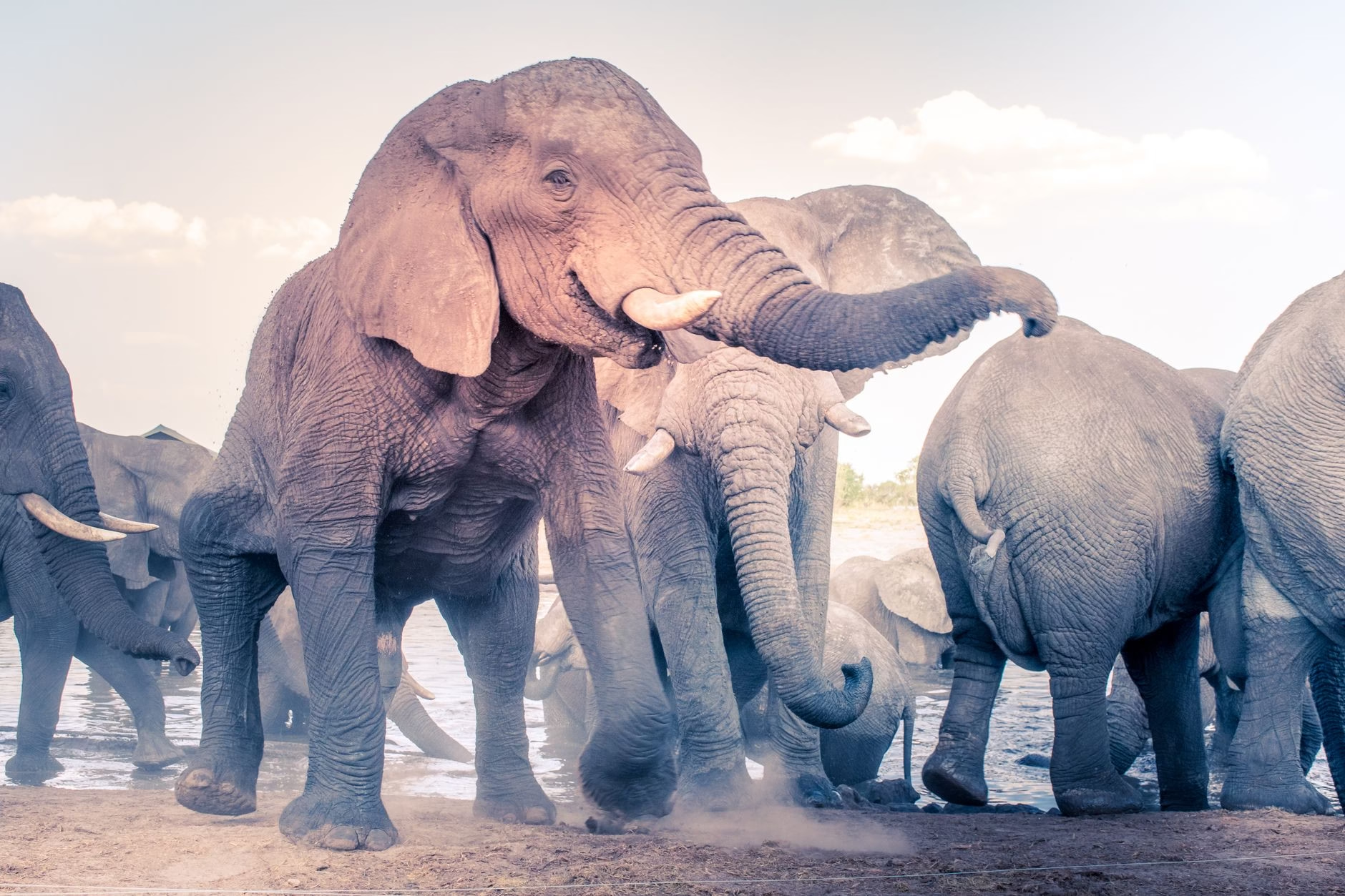
Located in northern Botswana, Chobe is home to one of the largest elephant populations in Africa. The Chobe River is the park’s lifeline and offers excellent boat safaris where you can watch elephants and buffalo wade across the water. Game drives in open vehicles reveal lions, leopards, and an ever shifting cast of antelopes. Chobe’s easy accessibility makes it a popular choice for first time visitors.
Makgadikgadi Pans and Nxai Pan
For a completely different safari atmosphere, visit the vast salt pans of the Makgadikgadi and Nxai regions. These shimmering white plains were once ancient lakes and now host desert adapted species like springbok, oryx, and brown hyenas. During the wet season, the pans transform into shallow lakes, attracting thousands of flamingos and migratory birds, as well as one of Africa’s most underrated zebra migrations.
Moremi Game Reserve
Situated on the eastern side of the Okavango Delta, Moremi combines riverine forest, floodplains, and Savannah. It is one of the best places for spotting predators such as wild dogs and leopards. With both land and water based safaris on offer, Moremi provides a balanced and rewarding wildlife experience.
Choosing the Right Safari Style
Botswana caters to a wide range of travelers, from those seeking luxurious lodges to adventurous campers who prefer to be closer to nature.
Luxury Lodges:
Ideal for travelers who desire comfort without compromising on wilderness. These lodges feature elegant tents or chalets, gourmet dining, expert guides, and often private plunge pools overlooking wildlife filled landscapes. Small guest numbers ensure personalized service and intimacy.
Mobile Safaris:
Mobile safaris follow animals across regions using well equipped tents and guided 4×4 convoys. You sleep under canvas and wake up to the sounds of nature. This is an excellent way to cover multiple parks while maintaining a balance between comfort and authenticity.
Self Drive Adventures:
For independent travelers, Botswana is one of Africa’s safest countries for a self drive safari. However, it requires thorough preparation, a sturdy 4×4 vehicle, and an adventurous spirit. Campsites are remote and facilities basic, but the reward is total freedom and solitude.
When choosing your safari style, consider your comfort level, interest in photography, travel budget, and how close you want to be to nature.
Practical Tips for Planning Your Botswana Safari
1. Entry Requirements and Health:
Most visitors require a valid passport and may need a visa depending on nationality. Botswana is a low risk malaria area but prophylaxis is recommended, especially during the wet season. Confirm vaccinations before traveling.
2. Packing Essentials:
Light neutral colored clothing, a wide brimmed hat, sunscreen, insect repellent, binoculars, and a quality camera are must haves. Temperatures drop at night, so pack a warm layer even in summer.
3. Responsible Travel:
Botswana’s commitment to conservation is strong, and visitors play an important role. Always follow park guidelines, maintain respectful distances from animals, avoid single use plastics, and choose eco friendly lodges that support local communities.
4. Photography Considerations:
Lighting can be challenging in the bright African sun. Early mornings and late afternoons offer the best conditions. Bring spare memory cards and a dustproof camera bag.
5. Booking with Reputable Operators:
Select tour companies and lodges that have certified guides and strong sustainability policies. They not only enhance your wildlife experience but also contribute to the protection of habitats for future generations.
Cultural Insight: Meeting the People of Botswana
While wildlife is the main attraction, engaging with local people adds depth to your safari experience. The Tswana people, along with communities from the San and Bayei groups, bring diverse traditions and histories to Botswana’s cultural fabric. Many lodges offer community visits where travelers can learn about basket weaving, traditional music, and rural life. Supporting these initiatives helps fund education and conservation in local villages.
Understanding a few words of Setswana, such as “Dumela” for hello or “Ke a leboga” for thank you, earns warm smiles and enhances your connection with the country.
Conclusion: The Spirit of Botswana Awaits
A safari in Botswana is more than a wildlife adventure; it is a journey into one of Africa’s last great wildernesses. The country’s extraordinary commitment to preservation ensures that every visitor becomes part of a story that protects the land and its creatures. Whether you choose to glide through the Okavango Delta in a mokoro or watch elephants cross the Chobe River at sunset, Botswana offers experiences that stay with you for a lifetime.
If you are seeking authenticity, exclusivity, and profound encounters with nature, Botswana should be at the top of your travel list.
Further Reading
3 Day Istanbul Itinerary for First Time Visitors
Travel to Somalia; How I Traveled to Mogadishu