Money on the move can make or break a travel experience, particularly in Africa where every border crossing introduces a new language, a new rhythm, and often a new currency. From the South African Rand to the Moroccan Dirham, Africa’s financial landscape is as diverse as its cultures and landscapes. Understanding how money works across the continent is not just about convenience; it is about being prepared, staying safe, and making the most of your trip.
- Know currency diversity: many national currencies and shared zones like West and Central CFA Francs; check which applies between countries.
- Exchange at licensed bureaus, banks, and ATMs in cities; avoid street changers and always get receipts for legal proof.
- Carry a mix of cash, cards, and mobile funds; notify your bank, confirm card acceptance, and keep small denominations for daily use.
- Use mobile money where common, such as M-Pesa in parts of East Africa, by registering with a local SIM for convenience and security.
- Plan region-specific budgets, book safaris in advance, and maintain cash backups to handle network outages, fees, and limited currency availability.
This guide will help you navigate African currencies with confidence. You will learn where to exchange money safely, how to handle cash and cards, what digital payment options exist, and how to budget smartly across regions with wildly different economies. Whether you are backpacking through East Africa, exploring wildlife reserves in southern regions, or negotiating in bustling North African souks, this comprehensive currency guide will ensure you travel smarter and worry less about your finances.
Understanding Africa’s Currency Diversity
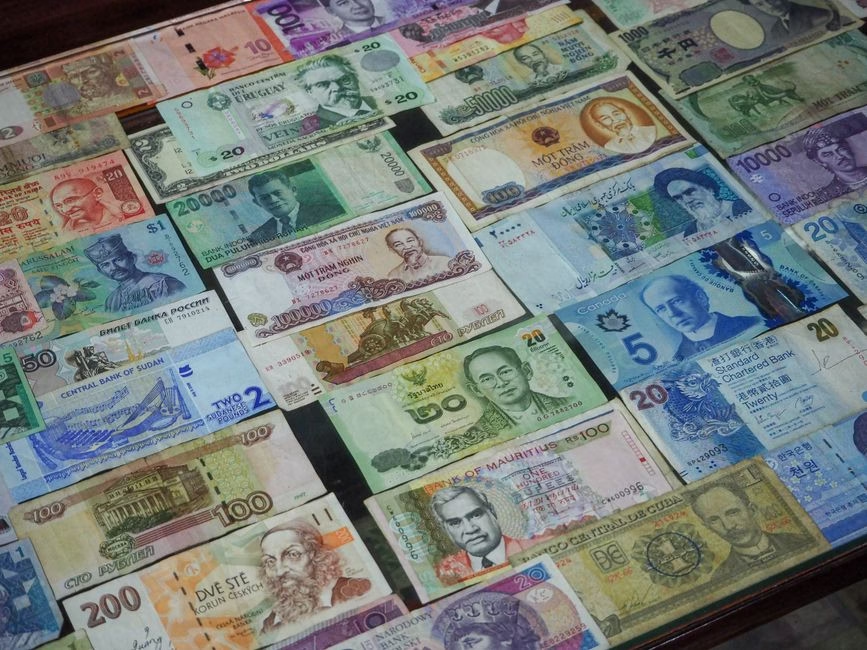
Africa is home to more than 50 currencies used across its 54 countries. While some regions share a common currency, many others operate independently. Understanding this variation is the first step in mastering travel finances on the continent.
Common Currency Zones
Some regions have sought financial cooperation through shared currencies. The most notable examples are:
- The West African CFA Franc (XOF) used in countries like Senegal, Côte d’Ivoire, and Benin.
- The Central African CFA Franc (XAF) used in Cameroon, Chad, and Gabon.
- The South African Rand (ZAR) also circulates in neighboring countries such as Lesotho, Namibia, and Eswatini.
Both CFA Francs are guaranteed by the French Treasury and pegged to the Euro, providing a degree of stability. This is particularly useful for travelers moving between West and Central African nations since the exchange rates remain steady within each zone. However, the two CFA Francs are not interchangeable, meaning that currency from one region cannot be directly used in the other.
Independent Currencies
Major travel destinations like Kenya, Egypt, Morocco, and Nigeria each have their own national currencies with independently fluctuating rates. Understanding these rates ahead of travel and monitoring them during your trip can help you avoid overpaying at informal exchange points.
Exchanging Money Safely and Smartly
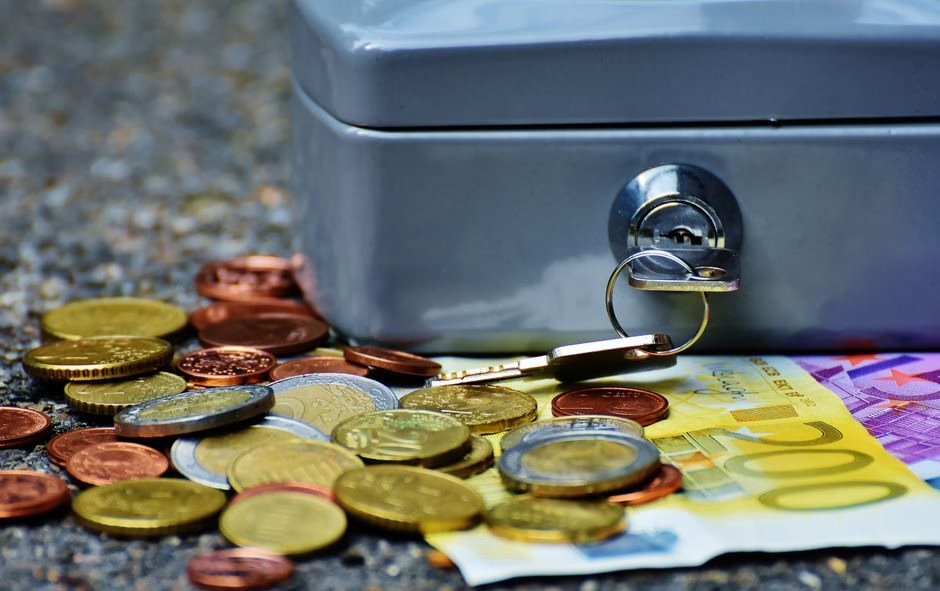
Money exchange practices differ across African countries, and being cautious can save you from scams and unfair rates.
Where to Exchange
- Airports and Hotels: Convenient but usually offer lower exchange rates. Best reserved for small exchanges upon arrival.
- Licensed Forex Bureaus: Found in major cities such as Nairobi, Accra, and Johannesburg, these typically provide the most competitive and transparent rates.
- Automated Teller Machines (ATMs): Reliable in urban centers but not in rural regions. Always confirm your card works internationally before arrival.
What to Avoid
Street money changers may tempt you with better rates but can also hand you counterfeit notes or shortchange you. Always request a printed receipt when exchanging at a bureau, and keep it for reference, as some countries require proof of legal exchange when departing.
Tip for Savvy Travelers
Carry small denominations of both local currency and US dollars. The latter is widely accepted in destinations such as Tanzania and Zimbabwe, particularly in accommodations and for park entrance fees. Avoid carrying older or damaged notes since many exchangers refuse worn bills.
Using Credit Cards and Digital Payments
Africa’s digital payment landscape is expanding rapidly, but coverage varies widely.
When to Use Credit or Debit Cards
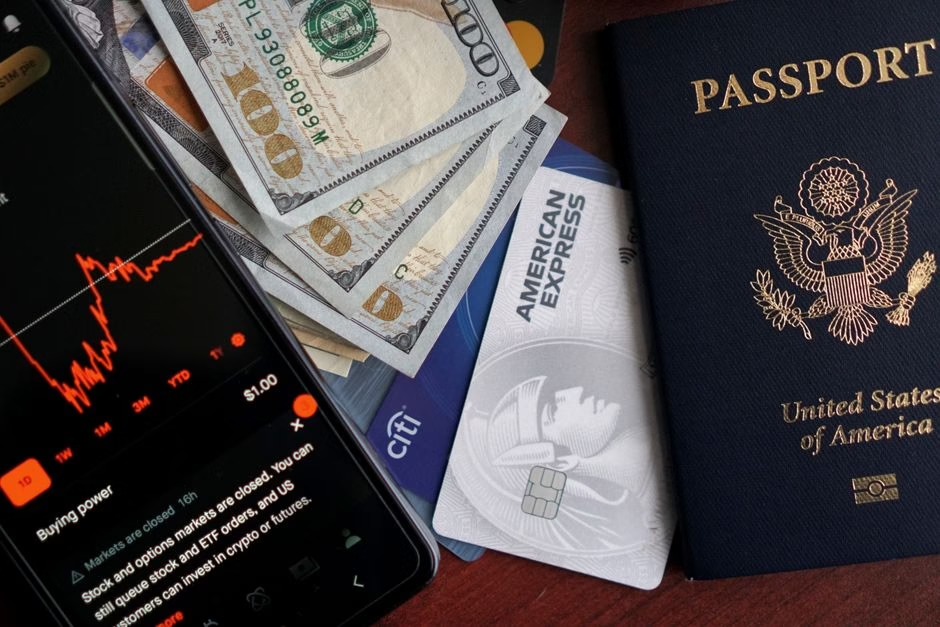
Visa and Mastercard are the most commonly accepted cards, particularly in South Africa, Kenya, and Morocco. However, rural areas and smaller towns often remain cash-based. Always notify your bank before travel to prevent your card from being blocked for suspicious activity.
Mobile Payments Revolution
Mobile money systems have transformed how locals transact, especially in East Africa. The most famous example is M-Pesa, a mobile transfer service that allows payments without the need for a traditional bank account. Travelers can use it for everyday transactions such as taxis, market shopping, and small restaurants. Registering for M-Pesa may be possible with a local SIM card, offering convenience and security.
Online Payment Platforms
In larger cities, some hotels and tour operators accept payments through mobile apps or online services like PayPal or Flutterwave. Nevertheless, always reconfirm before arrival since connectivity issues can occasionally interrupt service.
Managing Money on the Road
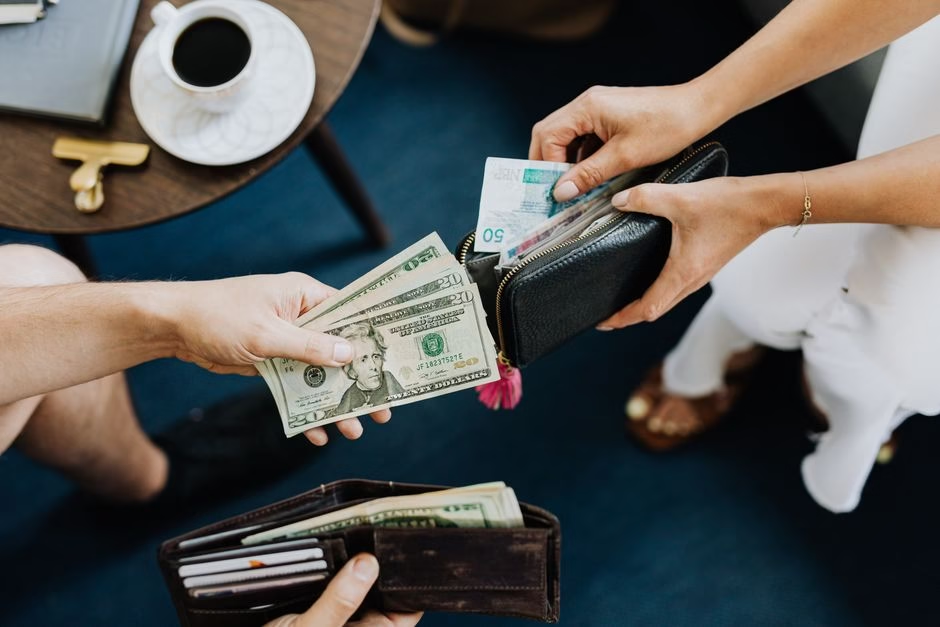
Having the right mix of cash, cards, and mobile funds ensures flexibility. Understanding local practices will enhance your sense of financial control.
Carrying Cash Wisely
- Keep only what you need for the day in your wallet and store the rest in a money belt or hotel safe.
- Split your cash into different pouches or luggage compartments to reduce loss risk.
- Always count money discreetly and avoid displaying large sums in public places.
Handling Change
Small denominations are essential. Many vendors, taxi drivers, and small establishments do not keep large amounts of change. Paying with exact or close-to-exact amounts will make your interaction smoother and prevent overpayment.
Tipping Etiquette
Tipping norms vary across the continent but are generally appreciated. In safari lodges, restaurant service, and driver-guided tours, a small gratuity demonstrates respect and recognition. Always keep a few small notes ready for service staff.
Budgeting by Region
The cost of travel in Africa varies significantly depending on where you go. Understanding general expenses will help you plan your financial strategy better.
North Africa
Countries such as Morocco and Egypt provide excellent value for travelers. A combination of affordable accommodation, tasty street food, and inexpensive public transport allows for comfortable travel even on modest budgets. However, luxury riads and desert tours can quickly raise expenses.
East Africa
This region offers mid-range costs with high-quality experiences. Kenya, Tanzania, and Uganda can be economical for city stays but become expensive when it comes to wildlife safaris or national park fees. Book in advance and seek package deals where possible.
West and Central Africa
Business travel drives most of the infrastructure here, so hotels and transportation may be pricier than expected. Currency availability can also be inconsistent, especially outside capitals. Plan ahead for larger cash requirements.
Southern Africa
South Africa is one of the most cost-effective destinations for high standards of travel, boasting excellent infrastructure and accessible ATMs. Neighboring Botswana and Namibia tend to be more expensive, especially for remote travel or organized tours.
Avoiding Common Currency Pitfalls
Even seasoned travelers occasionally make mistakes with local money. Being aware of common errors can prevent unnecessary stress.
- Relying solely on one payment method: Always have a cash backup as power outages or network failures can disable ATMs and card processors.
- Ignoring exchange rates: Use mobile apps or websites such as XE Currency to verify current rates before making conversions.
- Failing to budget for tips and small fees: Local conveniences such as luggage porters or guides often rely on gratuities.
- Carrying excessive foreign cash: Some countries impose limits on how much foreign currency can be brought in or taken out. Always check local regulations in advance.
Conclusion
Managing currency across Africa may initially seem intimidating, but with preparation it becomes second nature. Each country holds its own rhythm of spending and saving, and embracing those differences is part of the adventure. By blending cash preparedness with digital flexibility and region-specific insights, you can travel across the continent with peace of mind and financial confidence.
Every exchange, every receipt, and every mobile transaction becomes part of a larger cultural experience that connects you to the heart of Africa’s day-to-day life. Master the local money systems and you not only ensure a smoother journey but also engage more genuinely with the places and people you visit.
Further Reading
3 Day Istanbul Itinerary for First Time Visitors
Travel to Somalia; How I Traveled to Mogadishu
Free Family Things to do in Chicago Today
How to Spend Four Days in Hong Kong