Africa is often described as a land of colors, rhythms, and traditions. Yet one of its most captivating forms of expression is food. From the aromatic tagines of North Africa to the hearty stews of West Africa and the smoky braais of the South, African cuisine tells stories of heritage, geography, and community. This food guide takes you across the continent to discover what to eat, where to find it, and how to experience local food in a way that connects you to the heart of African culture.
- Explore regional specialties across North, West, East, Central, and Southern Africa, each reflecting local ingredients, spices, and cooking traditions.
- Share meals and street foods to connect with local culture, from communal injera feasts to braais and lively market vendors.
- Seek authentic experiences by sampling signature dishes where they are made, from Marrakech medinas to Cairo street stalls and Addis Ababa homes.
Whether you are planning a culinary-focused trip or simply want to taste your way through the markets and street stalls while exploring, this article provides detailed insights, local recommendations, and practical guidance. You will find everything from ancient cooking traditions to modern flavors reflecting Africa’s diverse culinary identity.
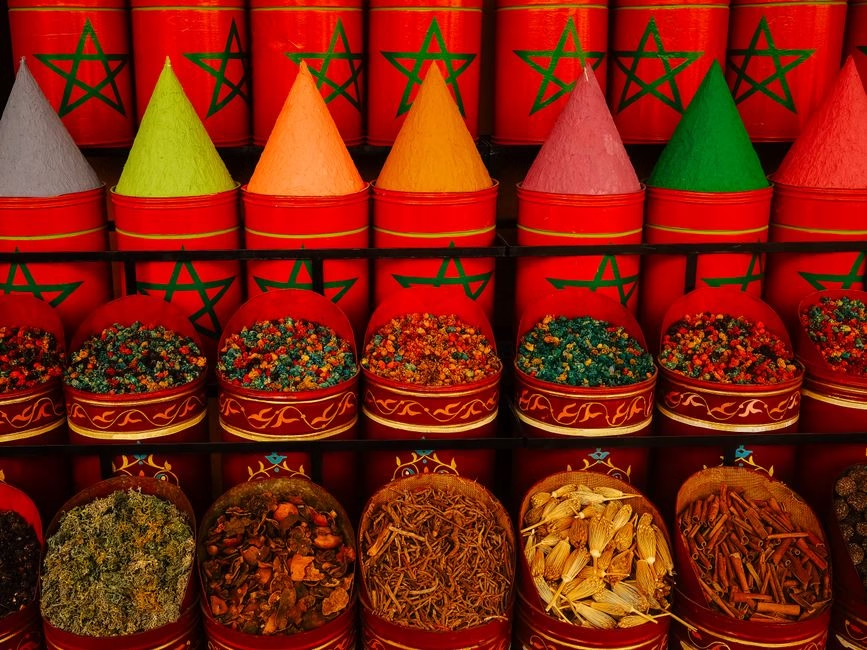
North Africa: Aromatic Spices and Ancient Traditions
The cuisine of North Africa is shaped by centuries of trade and cultural exchange. Here, ingredients like saffron, cumin, and coriander mingle with olives, citrus, and preserved lemons, creating unforgettable combinations of flavor.
Morocco: The Art of Flavorful Simplicity
In Morocco, every meal feels like a celebration. Try:
- Tagine: A slow-cooked dish named after the clay pot it is prepared in. It often combines chicken, lamb, or vegetables with a blend of spices, dried fruits, and nuts. Travelers should try tagine in Marrakech’s medina or in a Berber mountain village for an authentic experience.
- Couscous: Traditionally served on Fridays, couscous is topped with vegetables, chickpeas, and meat and flavored with a rich broth. In local homes, it is often steamed multiple times for a delicate texture.
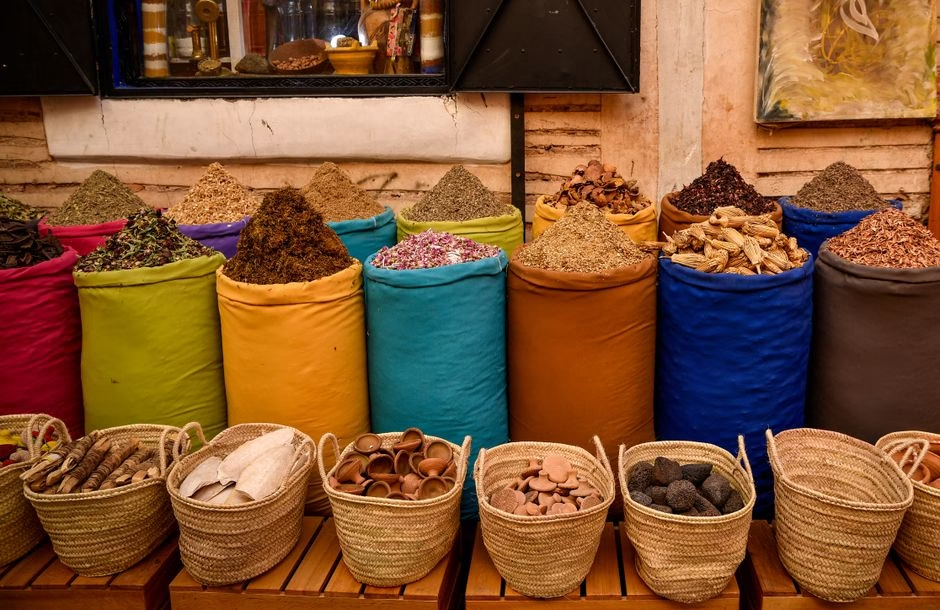
Egypt: Ancient Flavors That Endure
Egyptian cuisine reflects its Nile-based agriculture and historic roots. Must-try dishes include:
- Koshari: A satisfying mix of rice, lentils, and pasta topped with tomato sauce and crispy fried onions. Street vendors in Cairo serve it fresh throughout the day.
- Ful Medames: A breakfast made from stewed fava beans seasoned with olive oil, garlic, and lemon. It is a national favorite enjoyed in every corner of the country.
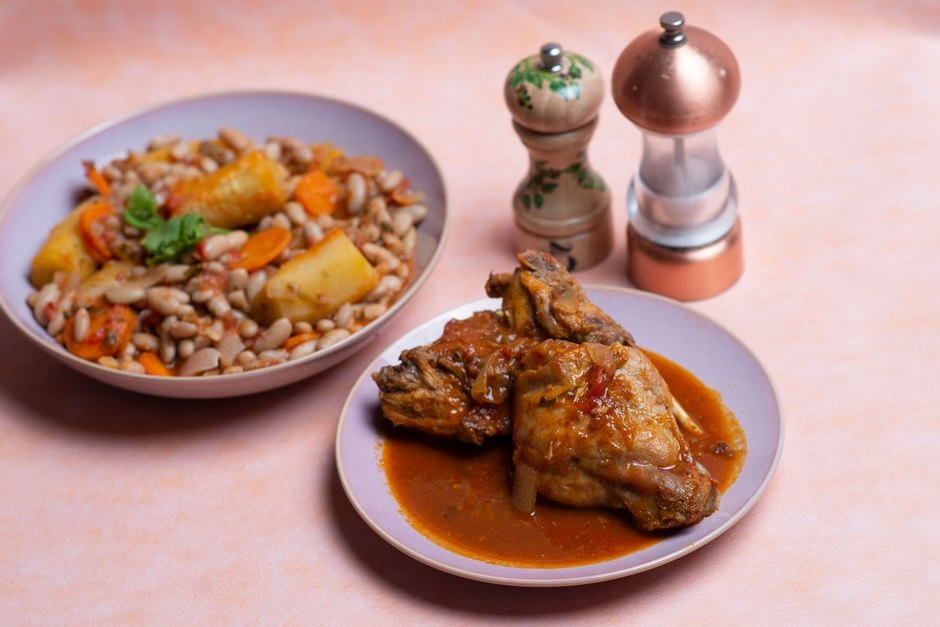
West Africa: Bold, Hearty, and Deeply Rooted
West African food is all about intensity—spices, peanuts, and palm oil dominate many dishes. Meals often bring the community together, eaten from shared bowls with family and friends.
Nigeria: The Heartbeat of West African Cuisine
For anyone exploring Nigeria, food is part of the adventure. Look for:
- Jollof Rice: A vibrant and spicy tomato-based rice dish beloved across the region. Each country claims its version is best, but in Lagos, you will find some of the most flavorful renditions cooked over wood fire.
- Egusi Soup: Made with melon seeds, leafy greens, and meat or fish, it is rich and satisfying. It pairs perfectly with pounded yam or fufu, a dough-like staple that can be found in most local eateries.

Ghana: Comfort Food with Soul
Ghanaian cuisine balances spice with depth. Try:
- Waakye: A hearty breakfast or lunch dish combining rice and beans, often served with fried plantains, boiled eggs, and spicy shito sauce.
- Red Red: Stewed black-eyed peas with palm oil and fried plantains. It is a comforting Caribbean-influenced meal that travelers fall in love with instantly.
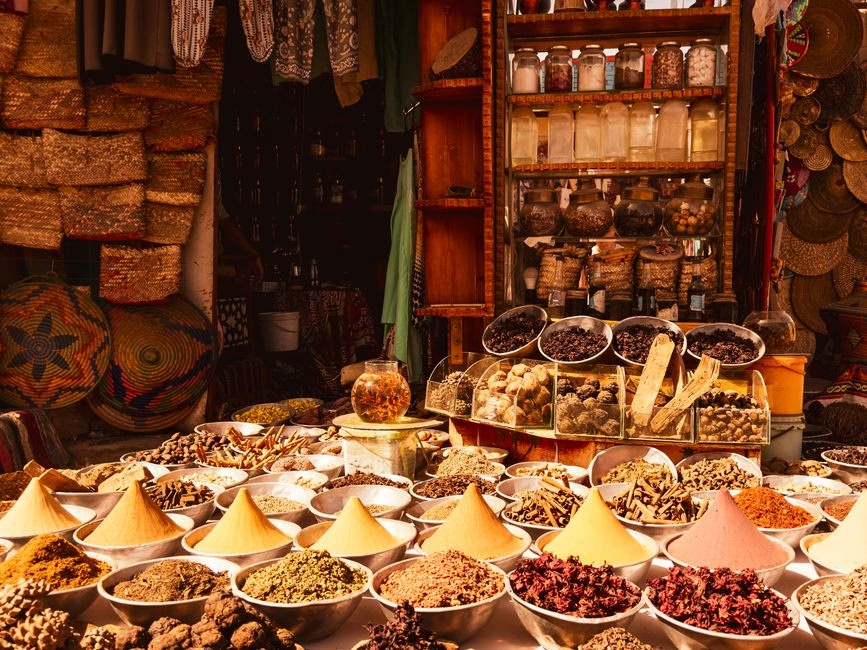
East Africa: Simplicity, Spice, and Coastal Influences
East Africa offers a fascinating culinary blend shaped by trade routes along the Indian Ocean. From Arab-inspired seafood dishes to plant-based meals in the highlands, the food reflects both tradition and global connection.
Kenya and Tanzania: From the Savannah to the Swahili Coast
Inland areas feature hearty, grain-based staples, while coastal regions lean toward fragrant, spice-filled creations.
- Ugali: Kenya’s most common starch, a firm maize meal porridge served with sukuma wiki (collard greens) or nyama choma (grilled meat). Many restaurants and local homes offer it as the centerpiece of daily meals.
- Nyama Choma: Literally “roasted meat,” it is typically goat or beef slow grilled over open coals. It is often enjoyed outdoors with local beer and good company.
- Zanzibar Cuisine: A must-stop for food lovers, Zanzibar’s flavors merge African, Indian, and Arabic traditions. Dishes like octopus curry and biryani are spiced with cloves, cardamom, and cinnamon, which are locally grown on the island’s fertile soil.

Ethiopia: A Feast for the Senses
Food in Ethiopia is not merely eaten; it is shared. The experience is communal, flavorful, and full of tradition.
- Injera: A large sourdough flatbread made from teff flour, used as both plate and utensil. It is topped with varied stews like spicy Doro Wat or lentil-based Misir Wat.
Travelers will find local injera preparation lessons rewarding, as they offer insight into the heart of Ethiopian hospitality.
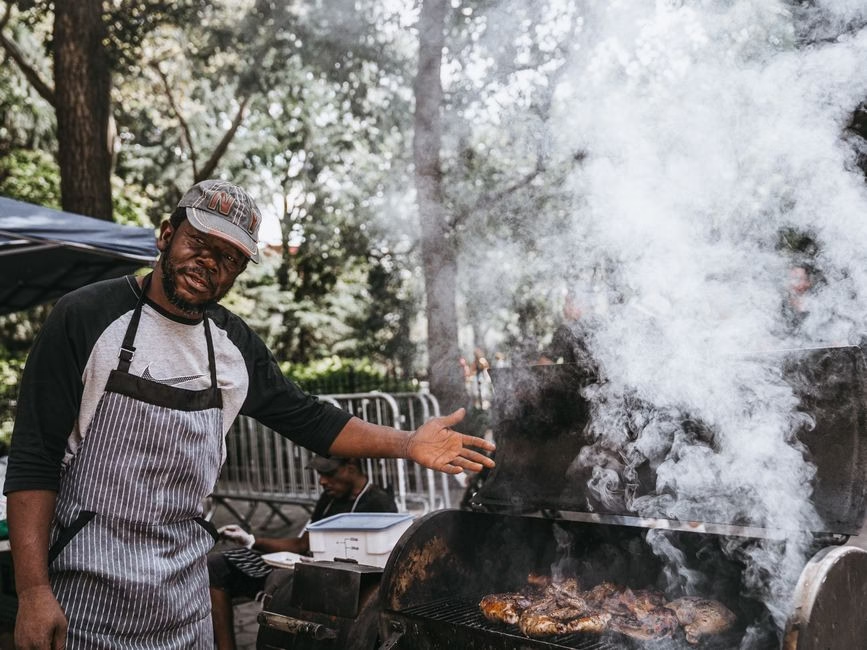
Southern Africa: Smoke, Barbecue, and Local Heritage
Southern Africa introduces a different kind of richness. This region celebrates grilled meats, game, and innovative cooking methods combined with indigenous crops and colonial influences.
South Africa: A Culinary Rainbow
Its diversity mirrors the nation’s multicultural identity.
- Braai: More than a barbecue, this is a social tradition. Meats like boerewors (farm sausage) and lamb chops are grilled over wood fire, shared between friends with salads and maize meal known as pap.
- Cape Malay Curry: Brought by early settlers, these gently spicy curries balance sweet and savory with raisins, apricots, and aromatic spices. Cape Town’s Bo Kaap neighborhood remains the best place to try them.

Namibia and Botswana: Wild yet Refined
These destinations offer adventurous palates something different.
- Seswaa: A shredded beef stew slow cooked until tender, served with thick maize porridge. It is a signature dish of Botswana’s local cuisine.
- Game Meat: In Namibia, meats like kudu and springbok offer a lean, flavorful alternative rarely found elsewhere, often grilled or prepared in stews.
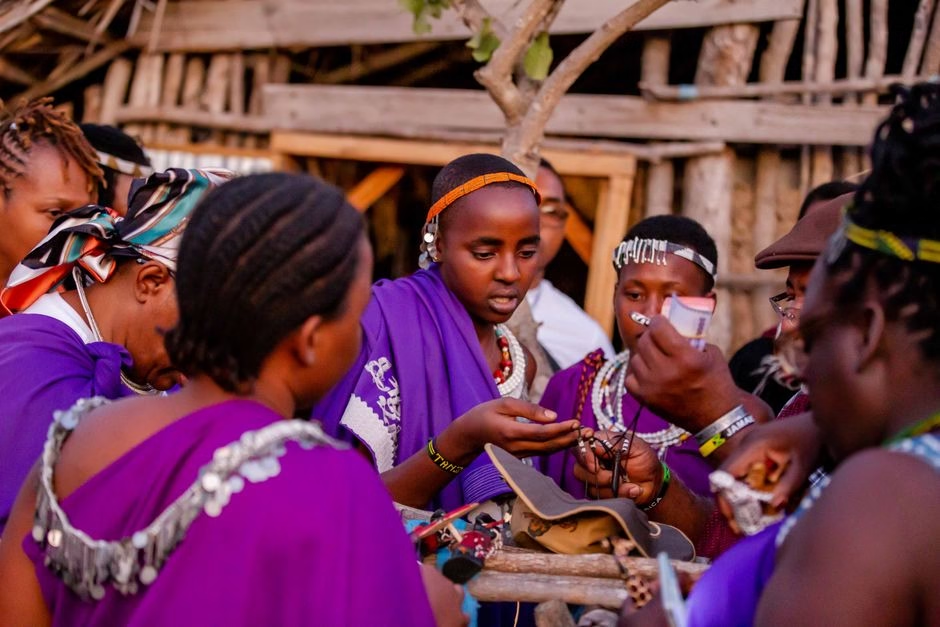
Central Africa: Earthy Flavors and Forest Ingredients
Central Africa’s cuisine tends to be rustic and deeply connected to the land, making use of cassava, plantains, and locally grown vegetables.
Democratic Republic of Congo and Cameroon:
Expect hearty meals filled with natural ingredients that reflect rainforest abundance.
- Saka Saka: Cassava leaves cooked with groundnuts or fish create a creamy and earthy dish served with plantains or rice.
- Poulet DG (Le Directeur Général): A beloved Cameroonian dish that combines chicken, fried plantains, and vegetables in a flavorful sauce. It is served in both local restaurants and high-end dining spots.
Travelers venturing into Central Africa can look forward to discovering small eateries where cooking is done over wood fires, often using family recipes passed down for generations.

Conclusion: Experiencing Africa Through Its Kitchen
Eating in Africa is more than a matter of sustenance; it is a form of connection and storytelling. Each dish reflects history, geography, and the spirit of the people who prepare it. Whether you find yourself sipping mint tea in Morocco, sharing injera in Addis Ababa, or joining a braai in Cape Town, the food becomes a lens through which you understand the continent’s diversity and vitality.
For travelers, exploring Africa’s cuisine means embracing curiosity. Wander through markets, accept an invitation to a family table, and never hesitate to sample something new. Every meal is an opportunity to feel the pulse of the continent more deeply.
Further Reading
3 Day Istanbul Itinerary for First Time Visitors
Travel to Somalia; How I Traveled to Mogadishu
Free Family Things to do in Chicago Today
How to Spend Four Days in Hong Kong