Discovering the Spirit of Greece
Few travel experiences compare to arriving in Greece for the first time. The sunlight glitters off the Aegean Sea, ancient ruins rise behind modern life, and every corner reveals something both breathtakingly beautiful and deeply historic. Greece has a way of making visitors feel both inspired and welcomed, blending cultural richness, natural wonder, and warm human connection in a way few places can.
- Learn Greece’s regions and plan routes using flights, ferries, and car rentals to balance mainland history and island time.
- Prioritize Athens, Santorini, Crete, and Delphi or Meteora for a mix of ancient sites, dramatic scenery, and authentic culture.
- Visit in spring or early autumn; book ferries in peak season; carry some euros; respect dress codes and greet locals warmly.
- Seek village festivals, cooking and craft workshops, and slow meals to connect with living traditions beyond postcard sights.
This travel guide is designed to give first time visitors the clarity and confidence they need to plan an unforgettable Greek adventure. You will find detailed insights into where to go, what to see, how to get around, and how to truly experience the country beyond the obvious postcard views. From Athens’ timeless heritage to the idyllic islands of the Aegean and Ionian Seas, this comprehensive guide will help you step into Greece with eyes wide open and heart ready to explore.
Understanding Greece’s Layout and Geography
Greece is not a single landscape but a mosaic of regions, each with its own rhythm and flavor. Before diving into your itinerary, grasping the geography will help you plan your journey efficiently.
Mainland Greece is where you will find many of the country’s most significant historical landmarks, such as the Acropolis in Athens, the oracle site of Delphi, and the monasteries of Meteora perched dramatically atop rock pillars. The northern region of Macedonia holds the lively city of Thessaloniki, known for its Byzantine heritage and creative energy. The Peloponnese, south of the mainland, offers ancient theaters, castles, and coastal villages that blend myth and reality.
The Greek Islands are divided into several distinct groups:
- Cyclades: Including Santorini, Mykonos, and Paros, these islands are famous for whitewashed houses, sapphire water, and lively summer energy.
- Ionian Islands: Located on the western side of Greece, islands like Corfu and Zakynthos are greener, with Venetian influences and a calmer atmosphere.
- Dodecanese Islands: Near the coast of Turkey, these islands, such as Rhodes and Kos, carry layers of ancient Greek and medieval history.
- Crete: Greece’s largest island is almost a country of its own, with mountain villages, world class beaches, and a culinary legacy that defines Greek tradition.
Understanding how the regions connect helps travelers design itineraries that balance variety and comfort. Flights and ferries link most areas, so it is worth planning your route according to your interests rather than simply following the crowds.
Top Destinations Every First Time Visitor Should Experience
Greece offers endless possibilities, yet certain places create the most memorable introduction for newcomers.
Athens: Cradle of Civilization
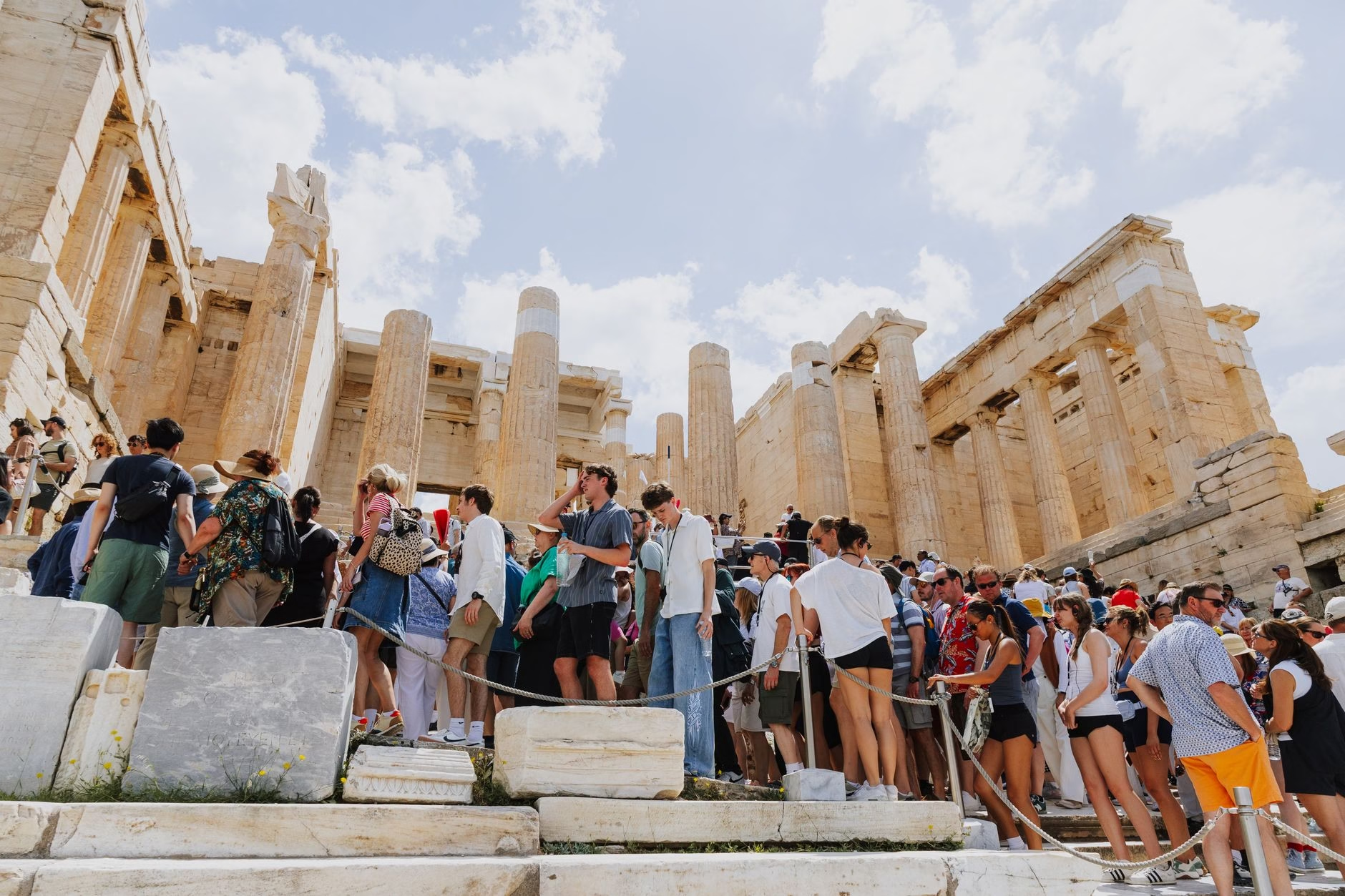
Your first stop should be the capital city, where millennia of cultural heritage meet modern Mediterranean life. Stroll through the Acropolis to stand before the Parthenon, then wander the Plaka district filled with neoclassical homes, outdoor cafes, and artisan shops. Spend a morning at the Acropolis Museum, which houses beautifully preserved sculptures and provides context for understanding ancient Greek art. When evening arrives, find a rooftop terrace to watch the marble temples glow golden in the late sunlight.
Santorini: The Picture Perfect Island
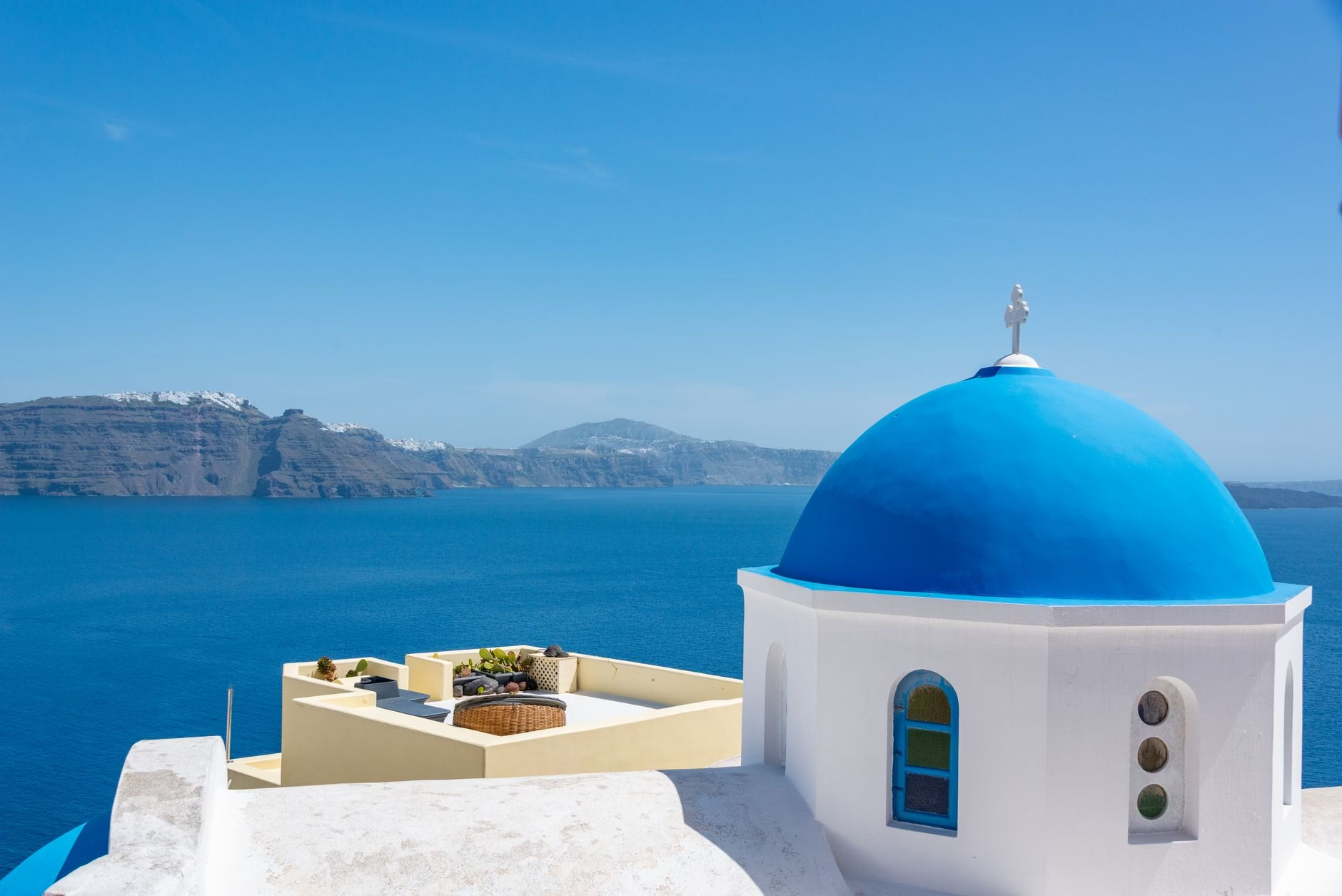
Known for its dramatic cliffs, blue domed churches, and volcanic beaches, Santorini often becomes the symbol of Greece itself. Oia village delivers spectacular sunset views, while Fira provides lively dining and boutique shopping. Exploring the archaeological site of Akrotiri, a Minoan city preserved in volcanic ash, adds historical depth to your island visit. Remember that visiting in shoulder seasons such as May or October allows you to enjoy Santorini’s magic without heavy crowds.
Crete: The Heart of Greek Hospitality
Crete combines rugged landscapes, deep cultural roots, and incredible food. Visit the Palace of Knossos to explore the myth of the Minotaur, then trek the Samaria Gorge for one of Europe’s most scenic hikes. Crete’s cuisine, rich in olive oil, herbs, and local cheeses, captures the essence of Greek living. Towns like Chania and Rethymno charm with Venetian harbors and stone streets where life unfolds slowly and joyfully.
Delphi and Meteora: Mystical Beauty
For travelers who want to connect with Greece’s spiritual and natural essence, Delphi and Meteora offer profound experiences. Delphi, once home to the oracle of Apollo, lies among mountains that seem to hum with history. Meteora’s monasteries, balanced high on stone spires, feel timeless and otherworldly, especially at sunrise or sunset.
Practical Travel Tips for First Time Visitors
Every successful trip combines inspiration with preparation. Knowing how to navigate Greece’s customs, transportation, and etiquette will make your journey smoother.
1. Best Time to Visit
The ideal travel window is spring or early autumn when the weather is warm, seas are calm, and major sites are less crowded. Summer can be beautiful but hot, while winter offers quiet charm and lower prices for those interested in local culture rather than beaches.
2. Getting Around
- Domestic Flights efficiently connect major cities and islands, especially when travel time is limited.
- Ferries are essential for island hopping. Be sure to book ahead in peak months or opt for smaller, slower ferries to avoid crowds.
- Car Rental is the best choice for exploring the mainland, particularly in regions like the Peloponnese or northern Greece where public transport is limited.
3. Local Customs and Etiquette
Greeks are famously hospitable, but visitors should show respect for local traditions. When visiting churches, wear modest clothing. Greet people with a warm “Kalimera” in the morning or “Kalispera” after sunset. Tipping in restaurants is appreciated but not obligatory, and small gestures of gratitude go a long way.
4. Currency and Payments
The euro is the official currency. Cards are widely accepted in urban areas, but carrying some cash is helpful in rural villages or on smaller islands.
5. Food and Dining
A highlight of any trip to Greece is its food. Order a meze-style meal to sample multiple dishes such as tzatziki, grilled octopus, and dolmadakia. Enjoy meals slowly; dining is an experience meant to be shared, not rushed. Pair everything with local wine or ouzo to capture the full flavor of Greek life.
Cultural Experiences Beyond the Tourist Trail
While famous landmarks deserve attention, the true essence of Greece often lies in small encounters and lesser-known corners.
- Attend a village festival where music, dance, and food come together during summer feasts known as panigyria. These gatherings reveal the community spirit that still anchors Greek life.
- Learn traditional crafts such as pottery in Sifnos or weaving in Crete. Participating in workshops supports local artisans and gives you a meaningful connection to Greek culture.
- Explore small towns like Nafplio, one of the Peloponnese’s most romantic ports, or Galaxidi near Delphi, where pastel-colored houses and serene waterfronts reflect old world charm.
Such experiences provide deeper travel memories, connecting you not only to Greece’s sights but to its living traditions.
Building Your Ideal Itinerary
For first time visitors, a balanced introduction often includes one mainland base and one or two islands. A sample ten-day plan might look like this:
- Days 1 to 3: Explore Athens and take a day trip to Delphi.
- Days 4 to 7: Fly or take a ferry to Santorini for the classic island experience.
- Days 8 to 10: Continue to Crete for culture, hiking, and relaxation before returning home.
This combination provides history, scenery, and local flavor without an overwhelming pace. Of course, Greece welcomes longer stays, inviting travelers to linger and savor rather than rush.
Final Thoughts: Embracing the Greek Way of Life
A trip to Greece is not simply about sightseeing; it is about slowing down, sharing food, feeling the warmth of the sun and the people, and appreciating beauty in everyday life. Whether you are watching fishermen mend nets on a quiet harbor, sharing wine under olive trees, or tracing the steps of philosophers among ancient columns, Greece encourages travelers to live fully in the moment.
For first time visitors, understanding the balance between exploration and relaxation is key. Greece reveals herself best to those who wander curiously, respect the past, and celebrate the present.
Further Reading
3 Day Istanbul Itinerary for First Time Visitors
Travel to Somalia; How I Traveled to Mogadishu
Free Family Things to do in Chicago Today
How to Spend Four Days in Hong Kong