Introduction
Portugal’s charm lies in its ability to blend old world elegance with modern ease. From sunlit hills filled with the hum of trams in Lisbon to the atmospheric riverbanks and cellar-filled streets of Porto, the country invites travelers into a story that unfolds through cobbled alleys, centuries-old architecture, and an unmistakable sense of warmth.
- Explore Lisbon's neighborhoods: Alfama's fado and views, Chiado and Bairro Alto for dining and nightlife, and Belém for monasteries and pastéis.
- Use a rechargeable Viva Viagem card for easy transit, expect steep hills, and visit in spring or autumn for milder weather and fewer crowds.
- In Porto, stroll the UNESCO Ribeira, taste port in Gaia's cellars, climb Clérigos Tower, and cruise the Douro for vineyard panoramas.
- Connect cities by Alfa Pendular train, car for scenic detours, or short flight; allow at least three days per city and travel slowly.
This guide will take you through the heart of Portugal by exploring its two most celebrated cities—Lisbon and Porto. Whether you are drawn by Lisbon’s coastal light, its seven hills, and lively neighborhoods, or by Porto’s heritage, culinary excellence, and scenic Douro backdrop, you will find practical advice, insider recommendations, and cultural context here. By the end, you will have a clear picture of what makes each city unique, how to navigate them efficiently, and which experiences truly define a journey through Portugal.
Discovering Lisbon: Portugal’s Sunlit Capital
Lisbon feels both timeless and youthful. The city’s pastel facades, tiled walls, and vintage trams create a setting that feels nostalgic, yet its creative energy and thriving dining scene keep it firmly in the present. Lisbon spreads across seven hills beside the shimmering Tagus River, and each neighborhood offers a distinct rhythm.
Must-See Neighborhoods
Alfama:
Lisbon’s oldest district holds medieval charm and sweeping views from hilltop terraces. Its labyrinth of narrow lanes echoes with Fado music drifting from family-run restaurants. To experience its essence, explore early in the morning before the crowds arrive, then return at night for dinner with live music.
Bairro Alto and Chiado:
These neighboring districts form the heart of Lisbon’s dining, nightlife, and shopping scene. Chiado combines historic cafés and boutiques with a refined local atmosphere, while Bairro Alto is known for lively bars and evening energy. Start your evening in Chiado with a meal of grilled sardines or bacalhau à brás, then wander upward as the city lights begin to glow.
Belém:
A short tram ride west along the river leads to Belém, home to Portugal’s maritime history and architectural icons. Visit the Jerónimos Monastery, discover the Monument to the Discoveries, and taste the legendary Pastéis de Belém custard tarts where they were first created.
Practical Travel Tips for Lisbon
- Getting Around: Purchase a rechargeable Viva Viagem card for easy use on trams, buses, and the metro. Walking is often the most rewarding way to explore, but be prepared for steep inclines.
- When to Visit: Spring and autumn offer ideal weather and calmer crowds. Summer can be vibrant but hot, while winter provides a quieter, more local experience.
- Cultural Highlights: Visit the National Tile Museum to understand the art of azulejos, Portugal’s traditional blue and white tiles. Climb to the São Jorge Castle for panoramic views across red rooftops and the river below.
What Not to Miss
End your day in Lisbon at the Miradouro de Santa Catarina or Miradouro da Senhora do Monte. Watch the sunset over the city with a drink in hand and you will understand why Lisbon is often called the city of light.
Exploring Porto: The Soul of the North
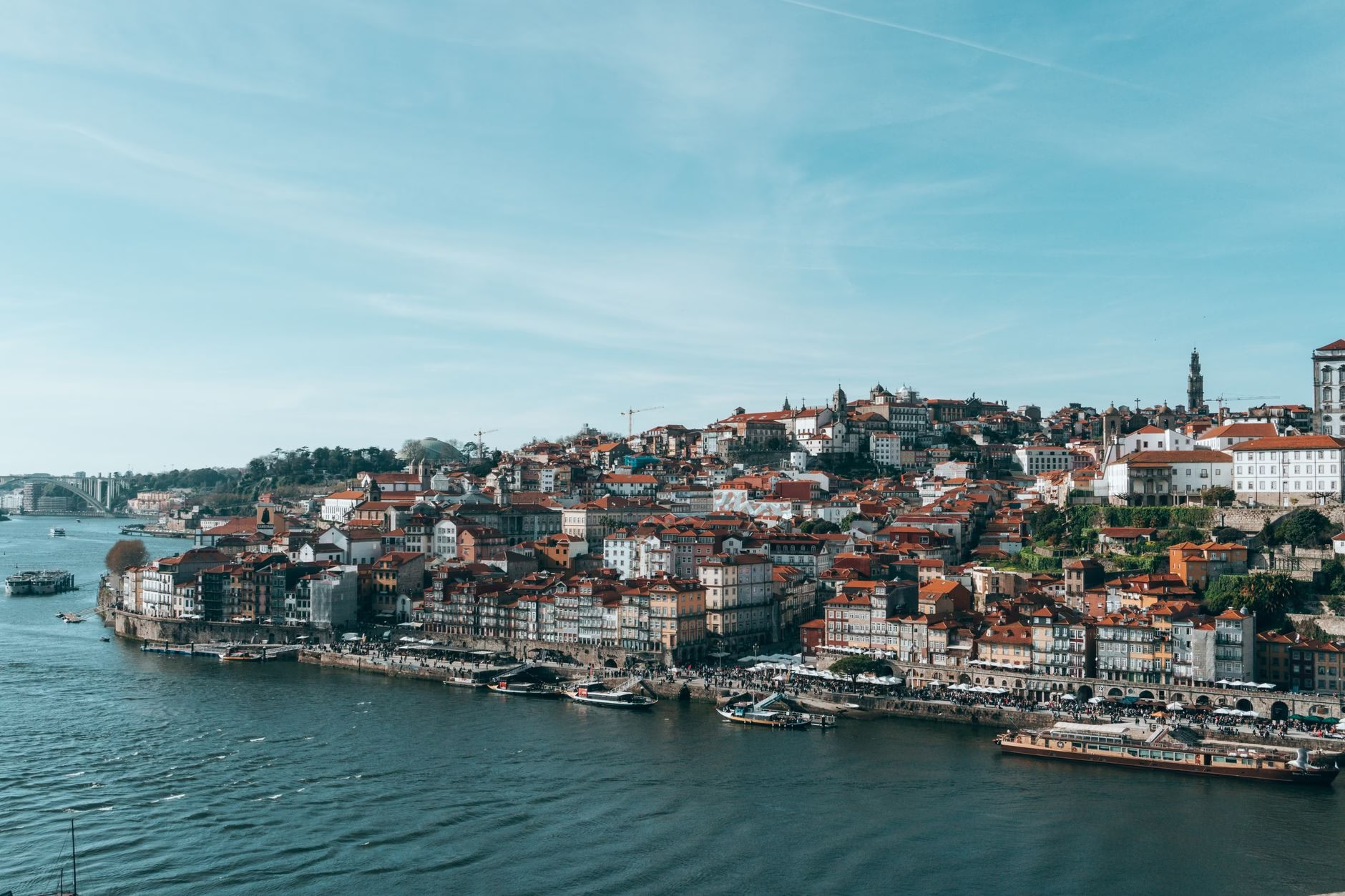
If Lisbon is the city of light, Porto is the city of soul. Situated along the Douro River in northern Portugal, Porto combines rugged authenticity with elegance. It is a place where medieval towers, baroque churches, and iron bridges coexist harmoniously, and where the aroma of port wine fills the air.
Iconic Sights and Experiences
Ribeira District:
The UNESCO-listed riverside area is the heart of Porto’s old town. Pastel houses line cobblestone walkways, cafés spill onto terraces, and traditional boats float lazily on the river. Spend time walking along the waterfront and cross the Dom Luís I Bridge for a breathtaking view of the cityscape.
Vila Nova de Gaia:
Across the river sits Gaia, the center of the port wine trade. Visit one or two of the iconic wine cellars to learn about the production process and enjoy tastings that reveal the deep character of this fortified wine. Guided tours often include centuries-old stories of family-owned estates along the Douro Valley.
Clérigos Tower and Church:
Climb the narrow staircase of the Clérigos Tower for 360-degree panoramas of Porto’s terracotta rooftops. Nearby, you can explore the Livraria Lello, one of the most beautiful bookstores in the world, known for its carved woodwork and sweeping staircase.
Douro River Cruise:
To fully appreciate the connection between Porto and its river, take a short cruise under the six bridges that link the two sides of the city. For a longer adventure, consider a day trip up the Douro Valley to see terraced vineyards and sample regional wines and cuisine.
Cuisine and Local Life
Porto’s gastronomy reflects its northern roots: hearty, flavorful, and comforting. Try francesinha, a layered meat sandwich covered in rich beer sauce, or enjoy grilled octopus paired with a local white wine. Visit the Mercado do Bolhão, recently restored, for an authentic glimpse of daily life, filled with local produce, seafood, and friendly conversation.
Evenings in Porto tend to be more relaxed than in Lisbon. Join locals in small wine bars in Miragaia or Foz do Douro, where the river meets the Atlantic.
Practical Insights for Traveling Between Lisbon and Porto
Many travelers combine Lisbon and Porto in a single trip, and connecting the two is straightforward.
- By Train: The Alfa Pendular express train connects Lisbon’s Santa Apolónia or Oriente stations with Porto’s Campanhã station in about two and a half hours. Book tickets in advance for the best fares.
- By Car: Driving offers freedom to explore smaller towns such as Coimbra and Aveiro along the way. The A1 highway is efficient and well maintained.
- By Plane: Domestic flights are quick but often unnecessary given Portugal’s compact size and efficient rail network.
If time allows, plan at least three days in each city to experience their depth without rushing.
Connecting the Two Cities: Contrasts and Common Threads
While Lisbon captivates with its hills, viewpoints, and cosmopolitan feel, Porto enchants with its grounded authenticity and intimate scale. Lisbon invites exploration through light and space, while Porto invites reflection through flavor, texture, and history. Together, they represent two sides of Portugal’s national character—a love of discovery balanced by an appreciation for tradition.
Both cities reward slow travel. Linger in a café, listen to live Fado music, or take a spontaneous ferry ride across the river. The true beauty of Portugal lies not only in its monuments but in the everyday rhythm that locals live by.
Conclusion
Lisbon and Porto stand as living chapters of Portugal’s story. They share a warmth that comes from old traditions and resilient spirit, yet each reveals it in different ways. Lisbon dazzles with broad vistas, historic charm, and creative pulse, while Porto comforts with soul, flavor, and timeless grace.
Visiting both offers a balanced journey through Portugal’s past and present. It allows travelers to witness a country that thrives on contrast but stays united by hospitality, artistry, and pride. Whether it is your first visit or a return to a beloved place, Portugal’s leading cities will leave you eager to explore further.
Further Reading
3 Day Istanbul Itinerary for First Time Visitors
Travel to Somalia; How I Traveled to Mogadishu
Free Family Things to do in Chicago Today
How to Spend Four Days in Hong Kong