Introduction: Where West Africa Comes Alive
Senegal is one of those destinations that quietly captures your imagination long before you arrive. Situated on the westernmost tip of Africa, this country blends ancient traditions with modern energy, natural beauty with vibrant urban life, and deep history with an ever-evolving culture. Most visitors begin their journey in Dakar, the nation’s lively capital on the Atlantic coast, but Senegal’s true charm extends far beyond the city limits. From the hauntingly beautiful Gorée Island to the pink-tinted waters of Lake Retba, the tranquil beaches of Saly, the wildlife wonders of the Sine Saloum Delta, and the desert expanses near Saint-Louis, Senegal offers countless experiences that reveal the essence of West African life.
This complete travel guide will take you through Dakar and beyond, giving you practical insight on what to see, where to go, and how to truly experience Senegal’s soul. Whether you’re chasing the rhythm of sabar drums in a nightly celebration or standing in solemn silence at one of UNESCO’s most moving heritage sites, this guide will help you travel smarter, deeper, and more meaningfully.
Discovering Dakar: The Heartbeat of Senegal
Dakar is a city that never hesitates to show its energy. Perched on the Cape Verde Peninsula, it balances modern urban rhythm with old-world West African charm. You can spend days here and still feel like there is more to uncover.
Must-See Highlights
- Gorée Island: A short ferry ride from Dakar’s port brings you to Gorée Island, one of Senegal’s most important historical landmarks. Once a center of the Atlantic slave trade, the island now holds poignant reminders of this dark history, particularly at the House of Slaves. Walking its colorful streets lined with colonial-era architecture, you sense both sorrow and resilience in equal measure.
- African Renaissance Monument: Standing tall at nearly 50 meters, this bronze statue overlooks Dakar and the Atlantic Ocean. It represents Africa’s emergence into a new era. Climb to the top for panoramic views of the city and the westernmost point of the continent.
- Sandaga Market: For travelers who want an authentic taste of local life, Sandaga Market is an adventure in itself. From handmade jewelry and fabrics to fragrant spices and fresh produce, this lively marketplace immerses you in Senegalese commerce and color.
Art, Music, and Culture
Dakar is regarded as one of Africa’s leading cultural hubs. The city pulses with creativity, whether through contemporary art galleries, open-air murals, or live music that spills into the streets.
- Visit the Museum of Black Civilisations, a striking cultural center that celebrates African heritage from ancient artifacts to modern installations.
- Experience live music in Medina or Almadies, where you’ll find local artists performing mbalax and Afrobeat in intimate venues that thrum late into the night.
Local Cuisine in Dakar
Senegalese food is full of bold, layered flavors centered around rice, fish, and richly seasoned sauces.
- Try Thieboudienne, the national dish of Senegal, made with fish, vegetables, and tomato-infused rice.
- Sample Yassa poulet, chicken marinated in lemon and onion sauce, often served with white rice.
- Visit seaside restaurants near Les Almadies for freshly caught seafood as the sun sets over the Atlantic.
Day Trips and Escapes from Dakar
One of Dakar’s best qualities is how conveniently connected it is to extraordinary day trips and natural experiences within a few hours’ drive.
Lake Retba (Lac Rose)
Only an hour from Dakar, Lake Retba surprises travelers with its fascinating pink hue caused by a high concentration of salt and certain microalgae. The color shifts from soft rose to vivid magenta, depending on sunlight. You can walk along the salt flats, meet the local workers harvesting salt, and even float effortlessly on the dense water. Combine the trip with a 4×4 ride through nearby sand dunes for a touch of adventure.
The Bandia Wildlife Reserve
Located near Saly, south of Dakar, Bandia offers a safe and accessible way to encounter Senegal’s wildlife. The reserve is home to giraffes, antelopes, rhinos, zebras, and an impressive diversity of birdlife. Guided safaris are available and ideal for families or first-time visitors to Africa.
Ngor Island
Just offshore from Dakar’s northern coast, this small island is a quiet retreat from the city. Accessible by a short boat ride, it offers beaches, artistic guesthouses, and casual seafood grills. The laid-back atmosphere and simple beauty make Ngor an easy half-day escape.
Beyond Dakar: Exploring Senegal’s Diverse Regions
Senegal’s richness lies in its contrasts. Once you step beyond the capital, each region unfolds a different perspective on the country’s identity.
Saint-Louis: Elegance and History
A UNESCO World Heritage site, Saint-Louis once served as the French colonial capital of West Africa. The city, built across an island on the Senegal River, exudes a timeworn charm with pastel-colored buildings, wrought iron balconies, and horse-drawn carriages rattling down narrow streets. Visit the Faidherbe Bridge, explore the old governor’s palace, and stroll along the lively fishermen’s quarter. Saint-Louis is also the gateway to the Djoudj National Bird Sanctuary, one of the world’s most important migratory bird sanctuaries, home to flamingos, pelicans, and countless other species.
Saly and the Petite Côte: Relaxed Coastal Beauty
South of Dakar, the Petite Côte region is a favorite for travelers seeking sun-drenched beaches and seaside comfort. Saly is the most developed resort town, offering a mix of luxury resorts, guesthouses, water sports, horseback riding, and golf. Nearby, Popenguine and Somone Lagoon provide quieter settings and opportunities for birdwatching and gentle kayaking.
Sine Saloum Delta: The Soul of Rural Senegal
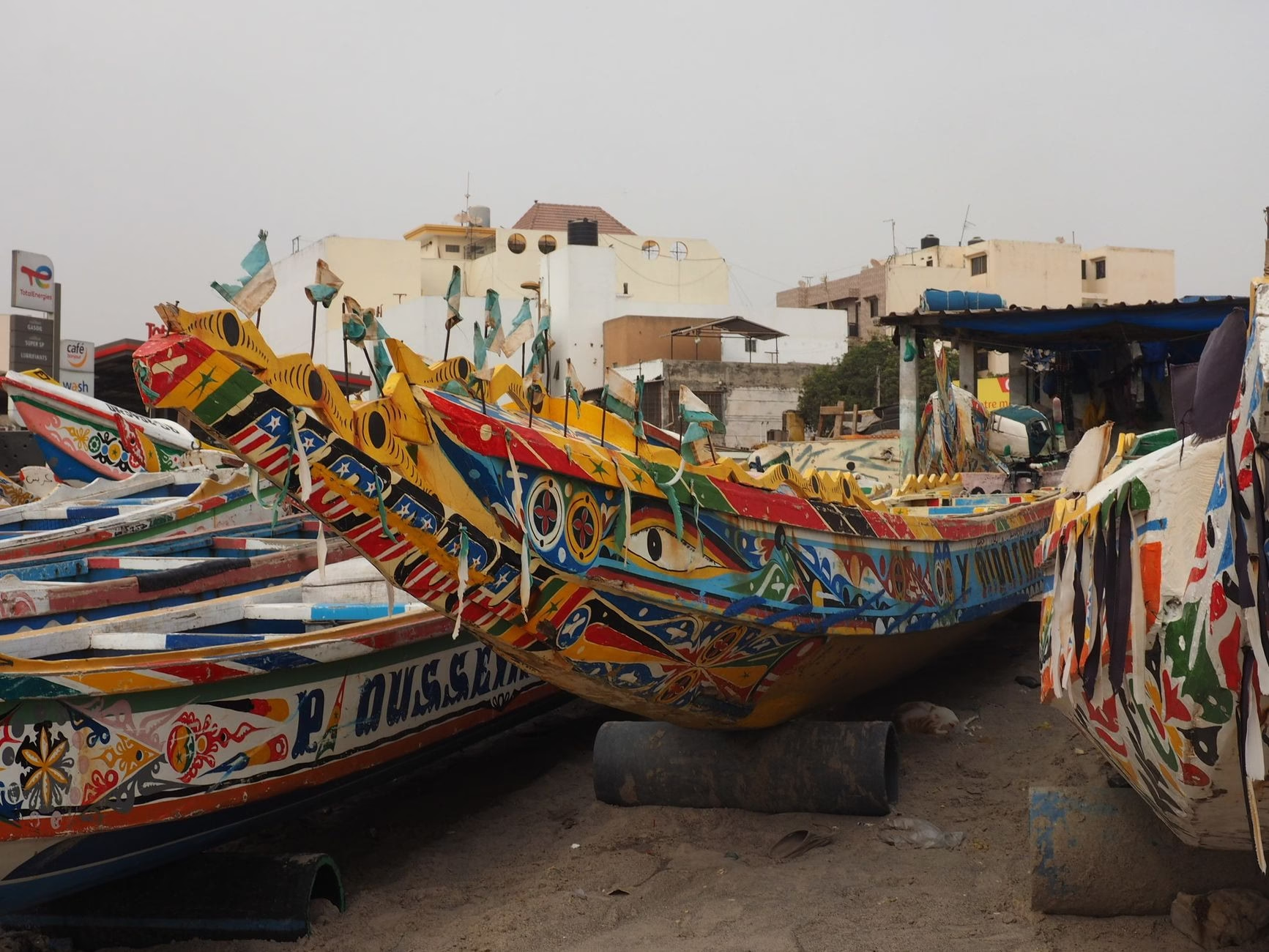
Perhaps the most tranquil and enchanting region of Senegal, the Sine Saloum Delta is a labyrinth of mangroves, waterways, and islands where the rhythm of life moves with the tide. Villages are accessible by pirogue (traditional canoe), and locals welcome travelers with warm smiles and hospitality. This is a place to truly disconnect and experience Senegal’s natural harmony. Activities include birdwatching, canoe excursions, and exploring small fishing communities that retain a timeless authenticity.
Casamance: Lush, Green, and Different
Separated from the rest of Senegal by The Gambia, Casamance is a region of fertile landscapes, dense forests, and rice paddies. Its main town, Ziguinchor, has a relaxed pace and colonial charm, while destinations like Cap Skirring attract travelers with golden beaches, music festivals, and a reputation for some of the friendliest people in the country. The region has experienced social challenges in the past, so keep updated on local conditions, but when conditions are right, Casamance rewards visitors with some of the most stunning scenery in West Africa.
Practical Travel Tips for Senegal
Best Time to Visit
The ideal time to visit Senegal is between November and April, during the dry season when the weather is warm, skies are clear, and humidity is manageable. The rainy season runs from June to October, bringing lush landscapes but occasional downpours.
Getting Around
Transport options vary depending on your comfort level and budget.
- Within Dakar, shared taxis and private drivers are the most common way to get around.
- For intercity travel, consider hiring a driver or using long-distance minibuses, known locally as “sept-places.”
- Domestic flights connect Dakar with Ziguinchor in Casamance for travelers short on time.
Cultural Etiquette and Language
Senegalese people are renowned for their hospitality, often referred to as Teranga. Greeting people properly is important, even before asking for directions or assistance.
- French is the official language, but Wolof is widely spoken and learning a few words will make locals smile.
- Dress modestly, especially outside major tourist areas.
- Tipping is appreciated but not obligatory; a small gratuity for guides and drivers is always well received.
Safety and Health
Senegal is considered one of West Africa’s safest destinations, but basic precautions apply.
- Drink bottled or filtered water.
- Carry small bills for daily expenses.
- Protect yourself against mosquitoes, especially outside Dakar.
Conclusion: A Journey that Stays With You
Traveling through Senegal is more than ticking off destinations on a map. It is a journey that connects you to history, rhythm, and resilience. From the modern pulse of Dakar to the quiet dignity of Saint-Louis, from the music-filled nights on the coast to the silence of mangrove villages in Sine Saloum, every corner of Senegal tells a story worth hearing. This is a country where the past meets the present with open arms, and where visitors come away inspired by the warmth, creativity, and generosity of its people.
Whether you plan to explore for a week or a month, Senegal offers a tapestry of experiences that linger long after you leave. Pack your curiosity, an open heart, and a willingness to move beyond the familiar. You will discover a West Africa that is vibrant, layered, and wonderfully alive.
Further Reading
3 Day Istanbul Itinerary for First Time Visitors
[Travel to Somalia; How I Traveled to Mogadishu](https://onestep4ward.com/travel-somalia