Northern Lights Travel Guide Europe
Introduction
There are few travel moments as moving as watching the Northern Lights illuminate the dark sky. The slow, otherworldly dance of green, pink, and violet ribbons feels like nature’s most personal performance, one that stirs curiosity and awe in equal measure. Travelers from around the world fly north every winter hoping to stand beneath this mysterious phenomenon, yet the experience can vary dramatically depending on location, timing, and preparation.
- Auroras form when solar particles hit the atmosphere; displays depend on solar activity, weather, and latitude.
- Top European viewing spots: Tromsø, Abisko, Finnish Lapland, Iceland, and Svalbard each offer unique landscapes and viewing advantages.
- Best months: September through April, peak late October to early March; avoid bright moons and consult solar forecasts.
- Dress in thin layers, waterproof boots, warm hat and gloves; bring tripod, spare batteries, and hand warmers for long outdoor nights.
- Respect fragile Arctic ecosystems: stay on trails, support sustainable businesses, minimize waste, and learn how climate change impacts local communities.
This detailed guide will take you through everything you need to know about seeing the Northern Lights in Europe. You will discover the best destinations, the ideal times to visit, what to expect from local conditions, how to increase your chances of witnessing the aurora, and practical advice to make your trip comfortable, safe, and unforgettable.
Understanding the Northern Lights
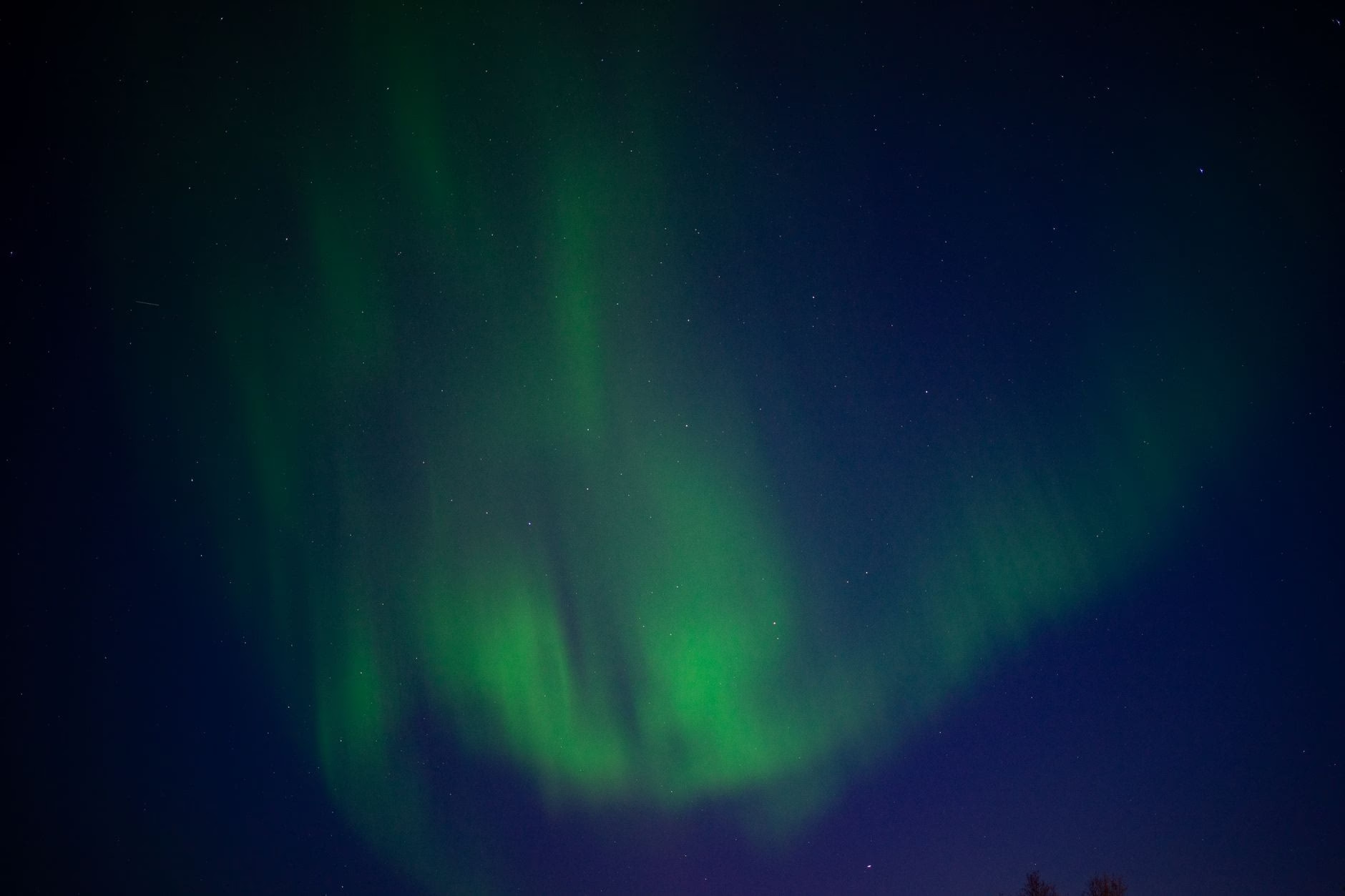
The Northern Lights, or Aurora Borealis, appear when charged particles from the sun collide with gases in Earth’s atmosphere. This scientifically complex event translates into a breathtaking light show visible near the magnetic poles. The displays are strongest around the Arctic Circle where winter nights are long and dark, providing the perfect natural stage.
Light intensity and color depend on solar activity, weather, and latitude. The most common hue is green, but pink, red, and violet sometimes emerge during strong geomagnetic storms. Although there is luck involved, careful planning and patience dramatically increase the likelihood of witnessing a brilliant show.
The Best Places in Europe to See the Northern Lights
Tromsø, Norway
Tromsø, often called the gateway to the Arctic, lies right in the middle of the auroral oval, making it one of the most consistent places to see the Northern Lights. The city offers a rare balance of accessibility and wilderness. You can spend your days snowshoeing through nearby fjords or learning about Sami culture, then join a guided aurora chase in the evening. Local tours often take travelers to less cloudy areas for optimal viewing. Staying three to five nights gives a strong chance of clear skies.
Abisko, Sweden
Abisko National Park in Swedish Lapland is famous for its “blue hole,” a patch of sky that remains clearer than surrounding areas due to unique mountain winds. The Aurora Sky Station, accessible by chairlift, offers panoramic views and expert guidance. This destination suits those who prefer peace and natural beauty, away from big city lights. Expect crisp air, deep silence, and the possibility of photographing auroras reflected over frozen lakes.
Finnish Lapland
From Rovaniemi to the smaller village of Luosto, Finland offers excellent infrastructure for winter travelers. The region is known for cozy glass igloos and heated domes designed for overnight aurora viewing right from your bed. Many resorts provide wake up calls when the northern lights appear, ensuring you never miss a show. Beyond aurora hunting, Finnish Lapland invites visitors to experience reindeer safaris, snowmobiles on frozen rivers, and traditional saunas to warm up after long nights outdoors.
Iceland
Iceland’s dramatic landscapes add an extra layer of magic to aurora sightings. Imagine green lights shimmering above vast lava fields, waterfalls, and glaciers. While Reykjavik itself can have light pollution, short drives to Thingvellir National Park or the Snaefellsnes Peninsula bring excellent visibility. Combine a northern lights tour with visits to geothermal spas and volcanic landmarks for a balanced itinerary that includes both adventure and relaxation.
Svalbard, Norway
For those who crave true Arctic adventure, Svalbard offers an experience like nowhere else. Located far north of mainland Norway, this remote archipelago experiences polar night from November to February, when the sun never rises. During this time, you might even see auroras in broad midday darkness. Visitors should plan carefully, as local regulations require traveling with guides outside settlements due to polar bears and extreme conditions.
Best Time of Year to Witness the Aurora
The Northern Lights appear most vividly between September and April, when darkness lasts long enough to view the sky clearly. Within that period, the absolute peak months are usually from late October to early March.
Key tips for timing your trip:
- Avoid bright moon phases since moonlight can wash out weaker auroras.
- Check solar activity forecasts from reputable sources such as the Geophysical Institute in Alaska or the Aurora Service Europe. High solar activity increases aurora intensity.
- Stay several nights since clear skies can vary daily. Flexibility with your schedule often means success.
Those visiting in September or March may also enjoy twilight hours combined with mild winter conditions and beautiful reflections over thawing lakes.
How to Prepare for a Northern Lights Trip
Traveling above the Arctic Circle requires more preparation than a typical city break. The environment can be extreme, but with the right approach it becomes part of the adventure.
Gear and Clothing
- Dress in many thin layers rather than one heavy coat. Base layers should be thermal, topped with windproof outerwear.
- Waterproof boots with thick soles and wool socks are essential. Standing outside for long nights can numb your feet quickly.
- A warm hat, lined gloves, and a face covering protect you from icy air and wind exposure.
- Carry a lightweight backpack with snacks, camera, batteries, and hand warmers. Cold temperatures drain camera batteries quickly, so bring extras.
Photography Tips
Although viewing auroras with your own eyes is enough for many, capturing them on camera deepens the experience. A tripod and manual camera control are important. Set a long exposure, keep the ISO moderate, and use a wide aperture. Avoid artificial light sources and practice focusing in the dark ahead of time.
Accommodation and Mobility
Staying near dark sky areas with minimal light pollution saves time traveling back and forth each night. Many lodges, cabins, and glass domes are built with aurora viewers in mind. Renting a car can be useful for chasing clear skies, but in remote regions organized tours are safer since guides monitor weather and road conditions constantly.
Cultural and Local Experiences Beyond the Lights
While the aurora is the star of the show, the culture, food, and traditions of these northern regions are equally captivating.
- Taste local cuisine like reindeer stew in Lapland, Arctic char in Iceland, or cloudberry desserts in Norway.
- Meet the Sami people whose heritage and reindeer herding traditions remain vital to Arctic identity.
- Soak in natural hot springs or saunas to recover after long, cold nights.
- Join winter festivals celebrating light, art, and community. Tromsø’s Northern Lights Festival combines music and visual performances set against the Arctic backdrop.
Integrating these experiences adds emotional depth and cultural context to the natural spectacle you came to see.
Ethical and Environmental Considerations
Tourism in fragile Arctic ecosystems demands responsibility. Stick to marked trails, respect wildlife, and support local businesses that operate sustainably. Avoid leaving any waste outdoors and limit use of plastics. Many destinations now emphasize eco friendly travel, encouraging visitors to learn how climate change affects these latitudes and what communities are doing to preserve them. Your conscious choices can help protect the same pristine darkness that makes aurora viewing possible.
Conclusion
Seeing the Northern Lights in Europe is both a bucket list event and an immersion into some of the continent’s most extraordinary natural environments. From Norway’s fjords to Finland’s snow forests and Iceland’s volcanic plains, each region offers its own textures and traditions that enrich the experience far beyond the aurora itself.
Plan carefully, stay patient under the Arctic sky, and remember that part of the beauty of the Northern Lights lies in their unpredictability. When the colors finally appear, they will remind you just how vast, delicate, and astonishing our planet can be.
Further Reading
3 Day Istanbul Itinerary for First Time Visitors
Travel to Somalia; How I Traveled to Mogadishu