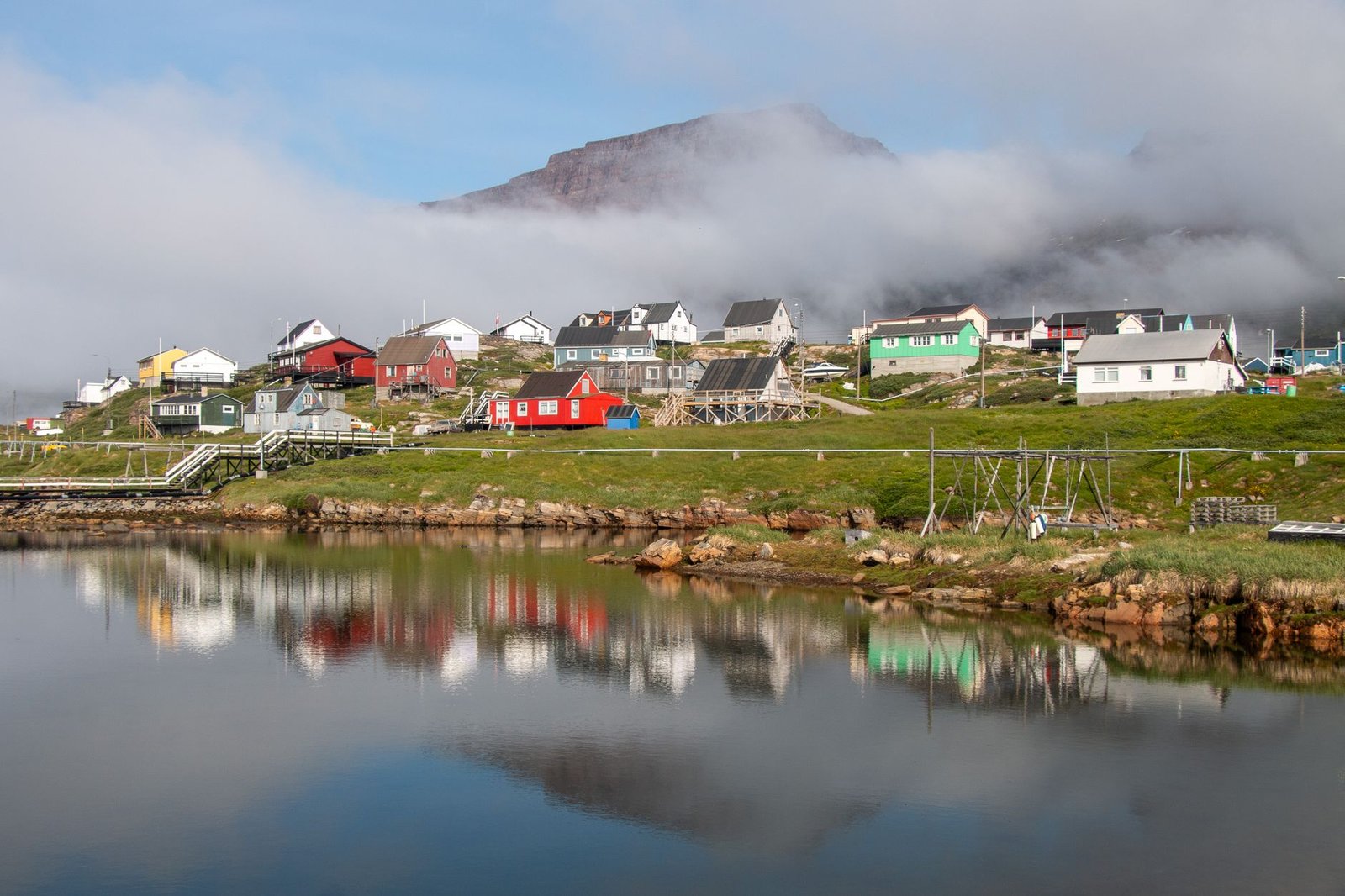
Traveling to Greenland from US Set to Become Easier: What to Know
Discover how traveling to Greenland from the US is set to become easier with new travel options, tips, and practical information for your journey.
As interest in Greenland grows among travelers from the United States, it is becoming increasingly important to understand the logistics and practicalities of visiting this stunning destination. The Arctic territory of Denmark is known for its breathtaking landscapes, unique culture, and diverse wildlife. However, until recently, getting there from the US posed several challenges including limited flight options and complex visa requirements. Fortunately, recent developments are set to make traveling to Greenland from the US easier than ever, opening the door for more adventurous explorers.
This guide aims to provide you with everything you need to know about traveling to Greenland from the US, focusing on new flight routes, visa information, travel tips, and the best times to visit. Whether you’re a seasoned traveler or planning your first trip to this remote part of the world, you’ll find valuable insights that will enhance your journey.
Understanding the logistics of traveling to Greenland is essential for a smooth experience. With the right preparation, you can enjoy the stunning landscapes, rich culture, and unique adventures that await you in this Arctic paradise.
New Flight Routes and Travel Options
One of the most significant barriers to travel in Greenland has been the limited availability of flights. In recent years, airlines have recognized the growing interest in this unique destination and have responded by expanding their flight options. Several US cities now offer seasonal routes to Greenland’s capital, Nuuk, and other key locations.
For example, airlines such as Air Greenland and United Airlines have introduced direct flights from major US hubs like New York and Chicago. These seasonal flights typically operate from late spring to early fall, aligning with the peak travel season. Travelers can expect to find a range of options for connecting flights, making it easier to plan their journey.
In addition to direct flights, many travelers still opt for routes that connect through Iceland, which serves as a major gateway to Greenland. This option allows visitors to experience both countries in one trip, as Icelandair offers numerous flights to various cities in Greenland. Travelers should be aware of layover times and plan accordingly to ensure a smooth transition.
Popular Airlines Serving Greenland
- Air Greenland: The national airline offers direct flights from select US cities during the summer.
- United Airlines: Seasonal flights connecting major US cities to Greenland.
- Icelandair: Offers flights to Greenland via Reykjavik, providing an alternative route.
Tips for Booking Your Flight
- Book early to secure the best rates, especially for seasonal flights.
- Consider flexible travel dates to find the most convenient connections.
- Check for special promotions or package deals that may include accommodations.
Visa Requirements and Entry Regulations
Traveling to Greenland from the US does not require a visa for short stays. US citizens can visit Greenland for tourism purposes for up to 90 days without a prior visa. However, travelers should be aware of certain regulations that apply during their visit.
Even though Greenland is part of the Kingdom of Denmark, it has its own entry requirements. Travelers must ensure their passport is valid for at least six months beyond their planned date of departure. It is also advisable to have proof of onward or return travel. Additionally, some travelers may require additional documentation if they plan to engage in certain activities, such as work or extended stays.
Lastly, travelers should remain informed about any health and safety protocols that may be in place, especially in light of ongoing global health concerns. This includes checking for any vaccination requirements or health declarations that may be necessary before travel.
Key Points on Visa and Entry
- No visa is required for stays up to 90 days.
- Ensure your passport is valid for at least six months.
- Be aware of any health protocols prior to departure.
Best Times to Visit Greenland
The ideal time to visit Greenland largely depends on what you want to experience. The summer months from June to August are the most popular for tourists, offering milder weather and 24 hours of sunlight. This is the best time for hiking, kayaking, and exploring the stunning landscapes of Greenland.
During the summer, temperatures can range from 50°F to 70°F (10°C to 21°C) in the southern regions, making outdoor activities enjoyable. However, expect cooler temperatures in the northern parts of Greenland. This peak season attracts travelers interested in experiencing the midnight sun, where the sun does not set for weeks on end. This phenomenon creates a unique atmosphere for exploration.
For those keen on experiencing the Northern Lights, the best time to visit Greenland is from late September to early April. During these months, the long nights provide ideal conditions to view this natural wonder. While winter temperatures can dip below freezing, the breathtaking display of lights makes it worth braving the cold.
Seasonal Highlights in Greenland
- Summer Activities: Hiking, kayaking, and exploring coastal towns.
- Winter Sports: Snowmobiling, dog sledding, and Northern Lights viewing.
- Cultural Festivals: Experience local culture through festivals and events year-round.
Travel Tips for an Enjoyable Experience
Traveling to Greenland can be a once-in-a-lifetime adventure, and being prepared will enhance your experience. Here are practical tips to keep in mind:
First, pack appropriately for the climate, which can change rapidly. Layering is key, as temperatures can vary significantly throughout the day. Be sure to bring waterproof clothing, sturdy hiking boots, and essential outdoor gear if you plan to explore the natural beauty of the region.
Second, consider booking guided tours for specific activities, such as glacier hiking or wildlife watching. Local guides offer valuable insights and can enhance your understanding of the environment and culture. Additionally, it’s wise to familiarize yourself with local customs and etiquette to show respect for the indigenous communities.
Lastly, be mindful of your impact on the environment. Greenland’s pristine nature is fragile, and travelers should follow Leave No Trace principles. This includes not disturbing wildlife, sticking to marked trails, and minimizing waste.
Understanding Greenland’s Unique Culture
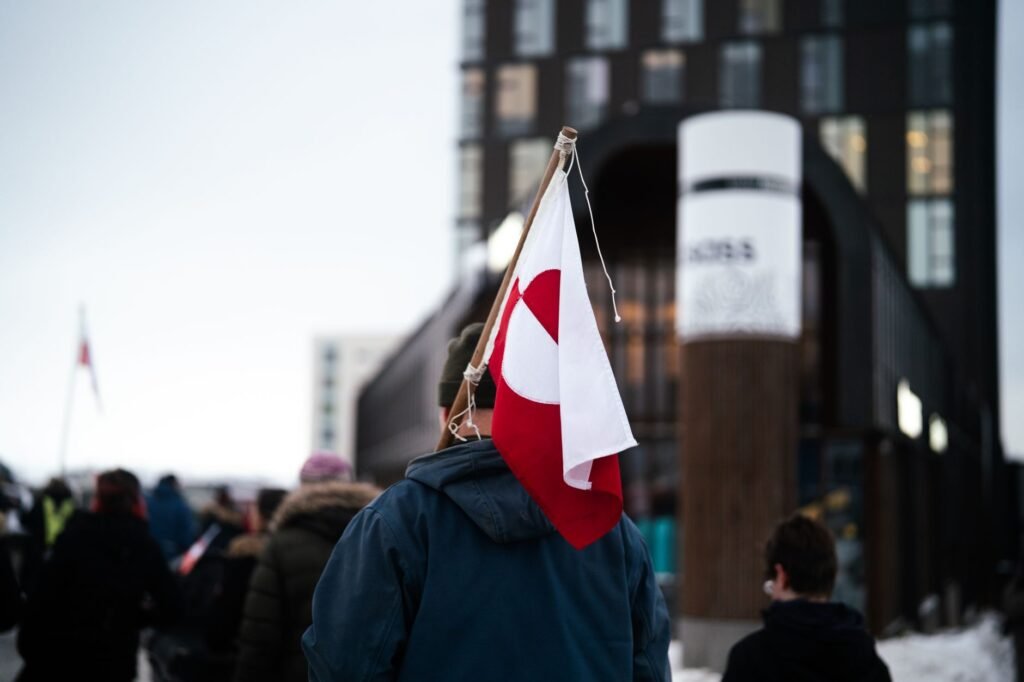
Traveling to Greenland offers a unique opportunity to immerse yourself in a culture that is rich in history and traditions. The Inuit influence is prominent, with distinct practices, languages, and art forms that reflect the harsh yet beautiful environment of the Arctic. Understanding these cultural nuances can enhance your travel experience significantly.
Languages Spoken in Greenland
The primary language spoken in Greenland is Greenlandic, which belongs to the Eskimo-Aleut language family. While Danish is also an official language due to Greenland’s historical ties to Denmark, many locals, especially the younger generation, speak English fluently. Familiarizing yourself with a few basic phrases in Greenlandic can be a delightful way to engage with locals.
- Aluu – Hello
- Qujanaq – Thank you
- Uummat – Goodbye
In addition, learning about the different dialects can provide insight into regional identities, as Greenlandic varies from one part of the island to another. The language itself is heavily influenced by the natural environment and local wildlife, reflecting the close relationship the people have with their surroundings.
Traditional Inuit Practices and Festivals
Greenland is home to a variety of traditional practices, many of which are tied to the Inuit way of life. These practices include hunting, fishing, and gathering, which remain important for both cultural preservation and sustenance. One of the most vibrant ways to experience Greenlandic culture is through its festivals, which celebrate everything from the changing seasons to traditional hunting practices.
- National Day (June 21) – Celebrates Greenland’s culture and history with parades, traditional music, and dance.
- Qiviut Festival – Focuses on the harvesting and crafting of qiviut, the soft underwool from muskoxen, showcasing local artisans.
- Winter Festivals – Feature traditional games and storytelling, often held in community centers.
Participating in or observing these festivals provides a deeper understanding of the local customs and the importance of community in Greenlandic life. Travelers are encouraged to attend and experience these cultural events firsthand.
The Role of Art in Greenlandic Society
Art plays a crucial role in the expression of Greenlandic identity. Traditional crafts, such as carving and weaving, often depict scenes from daily life, folklore, and the natural landscape. The use of natural materials, like bone, stone, and wood, is prevalent, and many artists draw inspiration from the environment.
Contemporary art also flourishes in Greenland, with artists blending traditional techniques with modern concepts. Visiting local galleries and artisan workshops can provide travelers with unique insights into the country’s evolving artistic landscape. Here are a few notable forms of art to explore:
- Stone Carvings – Often depict animals or scenes from Inuit mythology.
- Qiviut Knitting – Beautifully crafted garments made from the underwool of muskoxen.
- Painting – Many artists use vibrant colors to represent the Arctic landscape and its wildlife.
Engaging with local artists and purchasing authentic pieces can support the community and allow you to take home a piece of Greenland’s cultural heritage.
Adventure Activities Beyond the Ordinary
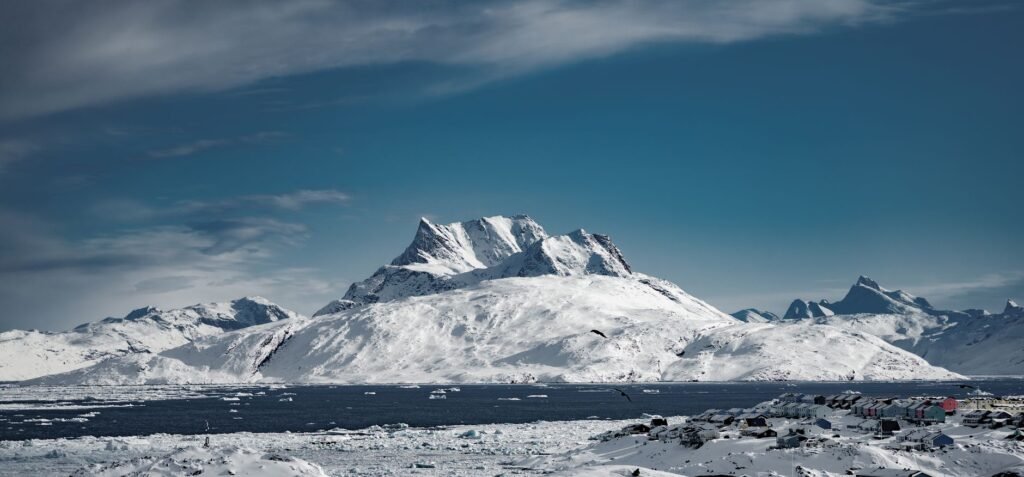
Greenland is not just about stunning landscapes; it also offers a wide range of adventure activities that cater to thrill-seekers and nature enthusiasts alike. From extreme sports to unique wildlife experiences, there is something for everyone looking to make the most of their visit.
Dog Sledding: A Traditional Mode of Transport
Dog sledding is one of the most iconic activities in Greenland, providing a glimpse into the traditional methods of transportation used by the Inuit people. Tours are available for all skill levels, allowing visitors to experience the thrill of gliding over snow-covered landscapes pulled by a team of enthusiastic sled dogs.
Typically, these excursions are led by experienced mushers who share their knowledge about dog care and the history of sledding in Greenland. Here’s what you can expect:
- Duration: Rides can range from a few hours to multi-day expeditions.
- Locations: Popular areas include Sisimiut and Ilulissat.
- Seasons: Best experienced during winter months when snow is abundant.
Dog sledding not only offers an adrenaline rush but also a unique way to connect with the local culture and landscapes.
Kayaking in Glacial Waters
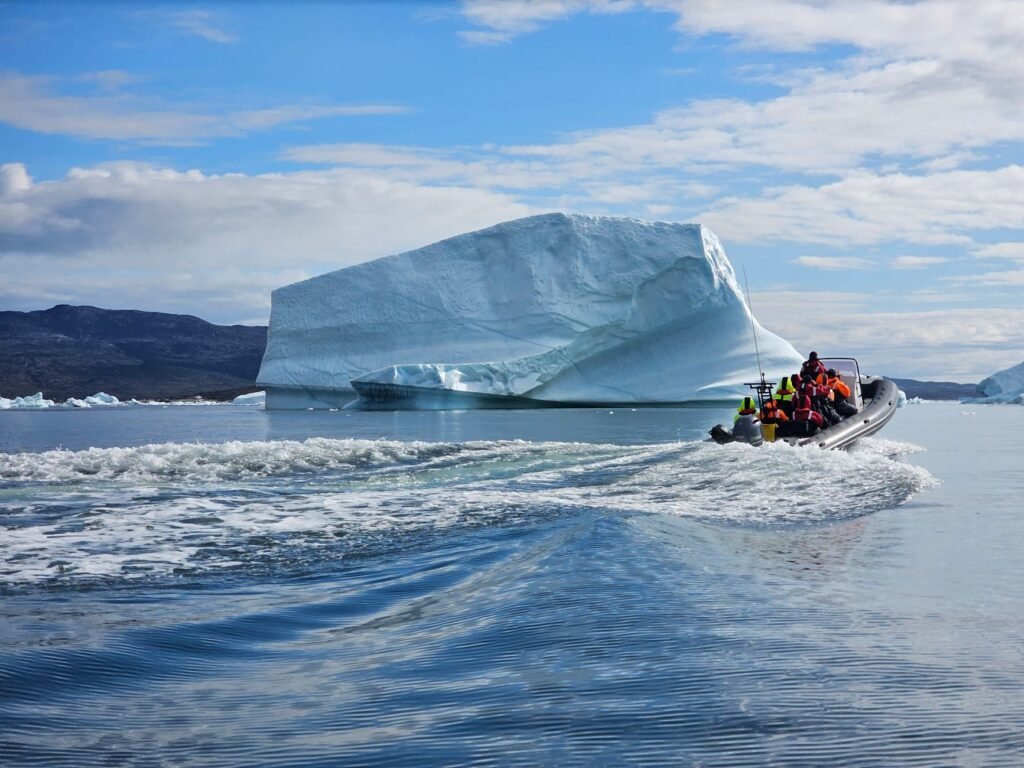
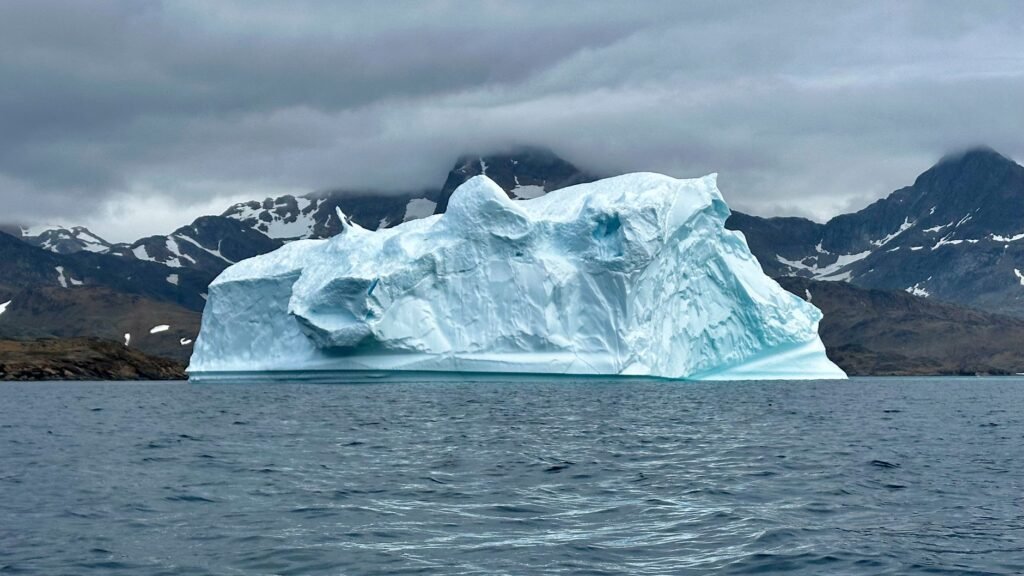
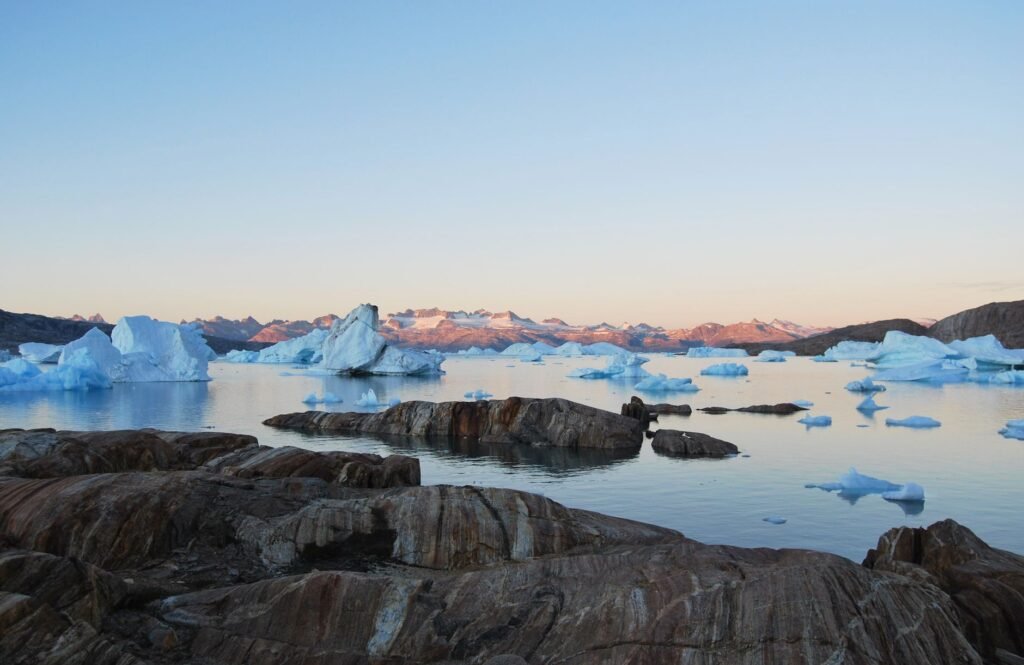
For those seeking a more serene adventure, kayaking in Greenland’s pristine waters offers unparalleled views of icebergs, fjords, and wildlife. Many tour operators provide guided kayaking experiences, allowing travelers to paddle alongside majestic glaciers and spot seals, whales, and various seabirds.
Here’s what to consider when planning a kayaking trip:
- Safety Equipment: Ensure proper gear including life jackets and dry suits.
- Guided Tours: Opt for guided tours if you are inexperienced to ensure safety and knowledge.
- Best Locations: Nuuk and the Ilulissat Icefjord are highly recommended for stunning views.
Kayaking not only offers an adventure but also a chance to appreciate the breathtaking natural beauty of Greenland up close.
Hiking the Arctic Trails
Greenland’s rugged terrain provides some of the most spectacular hiking trails in the world. From coastal paths to mountainous hikes, there are routes suitable for all levels of hikers. Popular trails include the Arctic Circle Trail, which stretches approximately 160 kilometers and showcases diverse landscapes from lakes to tundra.
When planning your hiking adventures, consider the following:
- Trail Difficulty: Research trails based on your skill level and physical condition.
- Guided Hikes: Join guided hikes for safety and local insight.
- Seasonal Changes: Be aware of weather conditions, as they can change rapidly.
Hiking in Greenland offers not only physical challenges but also the chance to connect with nature in its most untouched form.
Preparing for the Arctic Climate
Understanding and preparing for Greenland’s Arctic climate is essential for a successful trip. The weather can be unpredictable, and being equipped for varying conditions will ensure comfort and safety during your travels.
Layering Your Clothing
Given the extreme weather fluctuations in Greenland, layering is the best strategy for staying warm and comfortable. A typical layering system includes:
- Base Layer: Moisture-wicking thermal underwear to keep sweat away from your skin.
- Insulation Layer: Fleece or down jackets for warmth.
- Outer Layer: Waterproof and windproof jackets and pants to protect against the elements.
Investing in high-quality outdoor gear is crucial, as it will enhance your comfort during outdoor activities. Additionally, accessories like hats, gloves, and thermal socks should not be overlooked.
Acclimatization to the Cold
Travelers coming from warmer climates may need time to acclimatize to the cold temperatures of Greenland. Gradually exposing yourself to the cold can help your body adjust. Here are some tips for acclimatization:
- Spend time outdoors each day, even if for short periods.
- Keep moving to generate body heat.
- Stay hydrated, as cold weather can be dehydrating.
Acclimatization will not only make your experience more enjoyable but also allow you to fully engage in the outdoor activities that Greenland has to offer.
Emergency Preparedness
In the remote areas of Greenland, it’s essential to be prepared for emergencies. The vast wilderness can pose challenges, and knowing how to respond can make a significant difference. Key points to remember include:
- Carry a first aid kit that includes items for cold weather injuries.
- Inform someone about your travel plans and estimated return.
- Have a communication device, such as a satellite phone, especially for remote hikes.
Being prepared for emergencies can ensure a safe and enjoyable travel experience in Greenland’s stunning but challenging environment.
Frequently Asked Questions
What is the best time to visit Greenland?
The best time to visit Greenland is during the summer months from June to August for outdoor activities and mild weather, or from late September to early April for Northern Lights viewing.
Do I need a visa to enter Greenland?
No visa is required for US citizens for stays up to 90 days. Ensure your passport is valid for at least six months beyond your planned departure date.
How can I get to Greenland from the US?
Travelers can reach Greenland via direct flights from select US cities or through connecting flights via Iceland. Airlines like Air Greenland and United Airlines offer seasonal routes.
What should I pack for my trip to Greenland?
Pack layered clothing suitable for varying temperatures, waterproof gear, sturdy hiking boots, and any necessary outdoor equipment for your planned activities.
The Bottom Line
Traveling to Greenland from the US is set to become easier with new flight options and straightforward visa requirements. By planning your trip during the best times and following essential travel tips, you can enjoy the breathtaking landscapes and rich culture of this Arctic gem. Whether you’re seeking adventure, tranquility, or a unique cultural experience, Greenland offers something for every traveler. Prepare well, and you’ll be ready for the adventure of a lifetime.
Visa rules, prices and opening times change. Always confirm details with official sources before you travel.