Introduction
Tanzania is one of those destinations that can change the way you see the world. From the snowcapped peak of Mount Kilimanjaro to the endless golden plains of the Serengeti and the powder soft beaches of Zanzibar, Tanzania delivers an unforgettable blend of adventure, wildlife, and warm hospitality. Yet, for first time visitors, this extraordinary country can also feel a little overwhelming. Where should you begin? How do you navigate such vast landscapes and rich cultural diversity?
This guide is designed to help you confidently plan your first trip to Tanzania. You will learn about the best places to visit, when to go, how to get around, where to stay, and what cultural details to understand before you arrive. Whether you dream of witnessing the Great Migration, relaxing on tropical shores, or discovering life in a traditional Maasai village, this article provides the practical knowledge and inspiration to make your journey both smooth and deeply rewarding.
Understanding Tanzania: Land of Natural Wonders
Tanzania sits in the heart of East Africa, bordered by Kenya, Uganda, Rwanda, Burundi, the Democratic Republic of Congo, Zambia, Malawi, and Mozambique. Its coastline stretches along the Indian Ocean, offering a dramatic contrast to the wild interior and volcanic highlands. English and Swahili are the official languages, and you will find that many Tanzanians speak both fluently, especially in areas frequented by travelers.
What makes Tanzania fascinating is its sheer ecological and cultural variety. Over forty percent of the country is protected as national parks and reserves, home to an astonishing range of wildlife, from elephants and lions to flamingos and chimpanzees. Beyond its natural attractions, the nation’s cultural mix includes more than one hundred ethnic groups, each contributing unique traditions, food, and art forms. This diversity ensures that every region of Tanzania offers something distinctly its own.
The Best Time to Visit Tanzania
Timing your trip right can make all the difference in your experience. Tanzania’s climate is generally tropical, with coastal humidity and cooler temperatures in the highlands.
Dry Season (June to October)
This is the prime time for safaris. The weather is pleasant, the skies are clear, and animals gather around water sources, making them easier to spot. The Serengeti and Ngorongoro Crater are especially rewarding during these months.
Short Rains (November to December)
Brief showers enliven the landscapes without disrupting travel plans. Parks are lush, prices are lower, and you can enjoy fewer crowds.
Wet Season (March to May)
Heavy rains fall mainly in the afternoons, creating a dramatic green season ideal for photography. Although some dirt roads can become muddy, those seeking solitude will find it incredibly peaceful.
For beach holidays, Zanzibar’s best months align with the dry season, when clear skies and calm seas create ideal swimming and diving conditions.
Top Destinations You Should Not Miss
1. Serengeti National Park
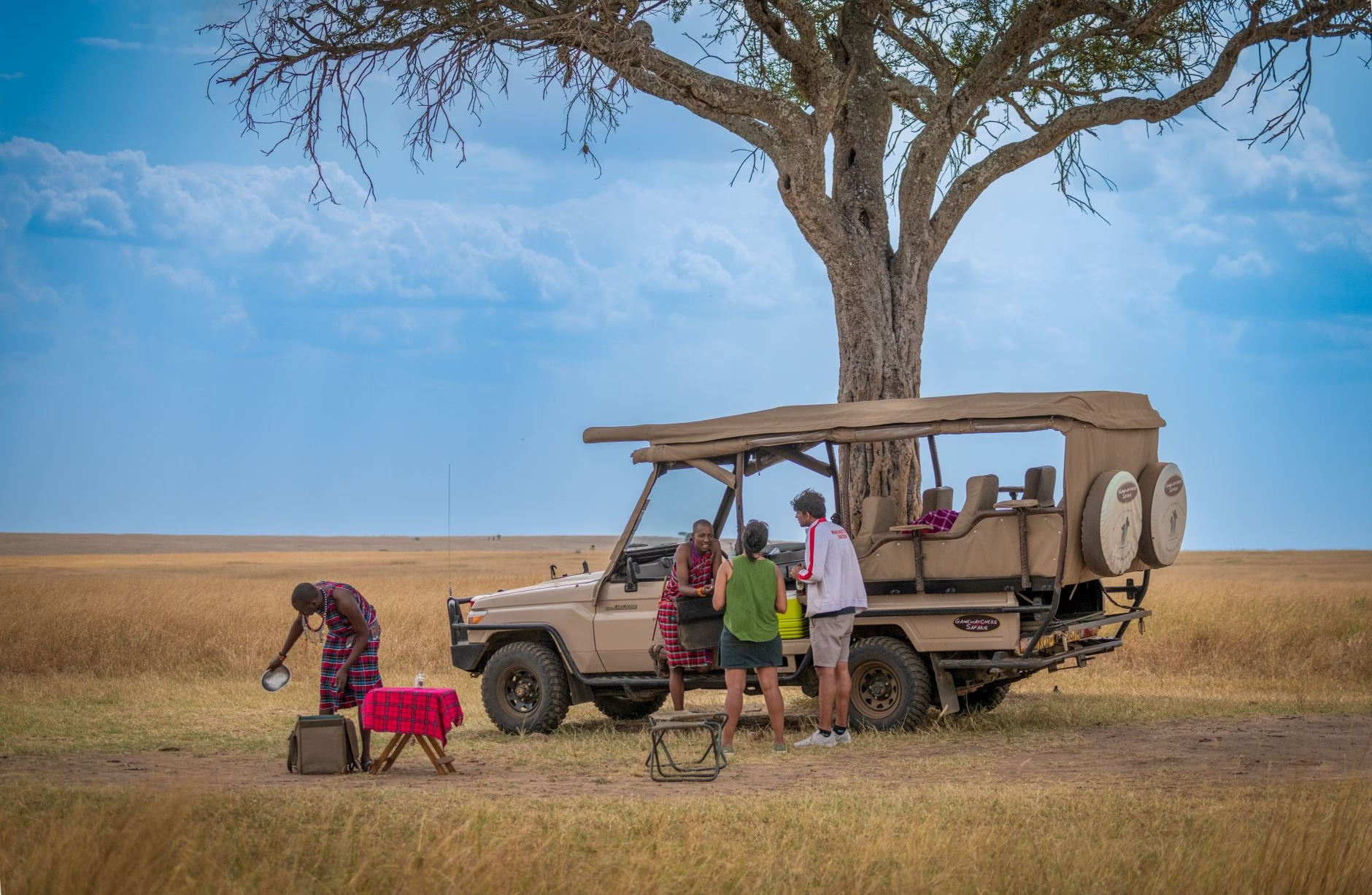
The Serengeti is Tanzania’s great stage of nature, where the rhythms of life unfold on a grand scale. It is most famous for the Great Migration, a yearly movement of over a million wildebeest and zebras crossing the plains in search of fresh grazing. Even outside migration months, the park promises thrilling game drives filled with lions resting in the grass, cheetahs prowling the savannah, and elephants ambling along the rivers. A hot air balloon flight at sunrise is a once in a lifetime way to appreciate the park’s vastness.
2. Ngorongoro Crater
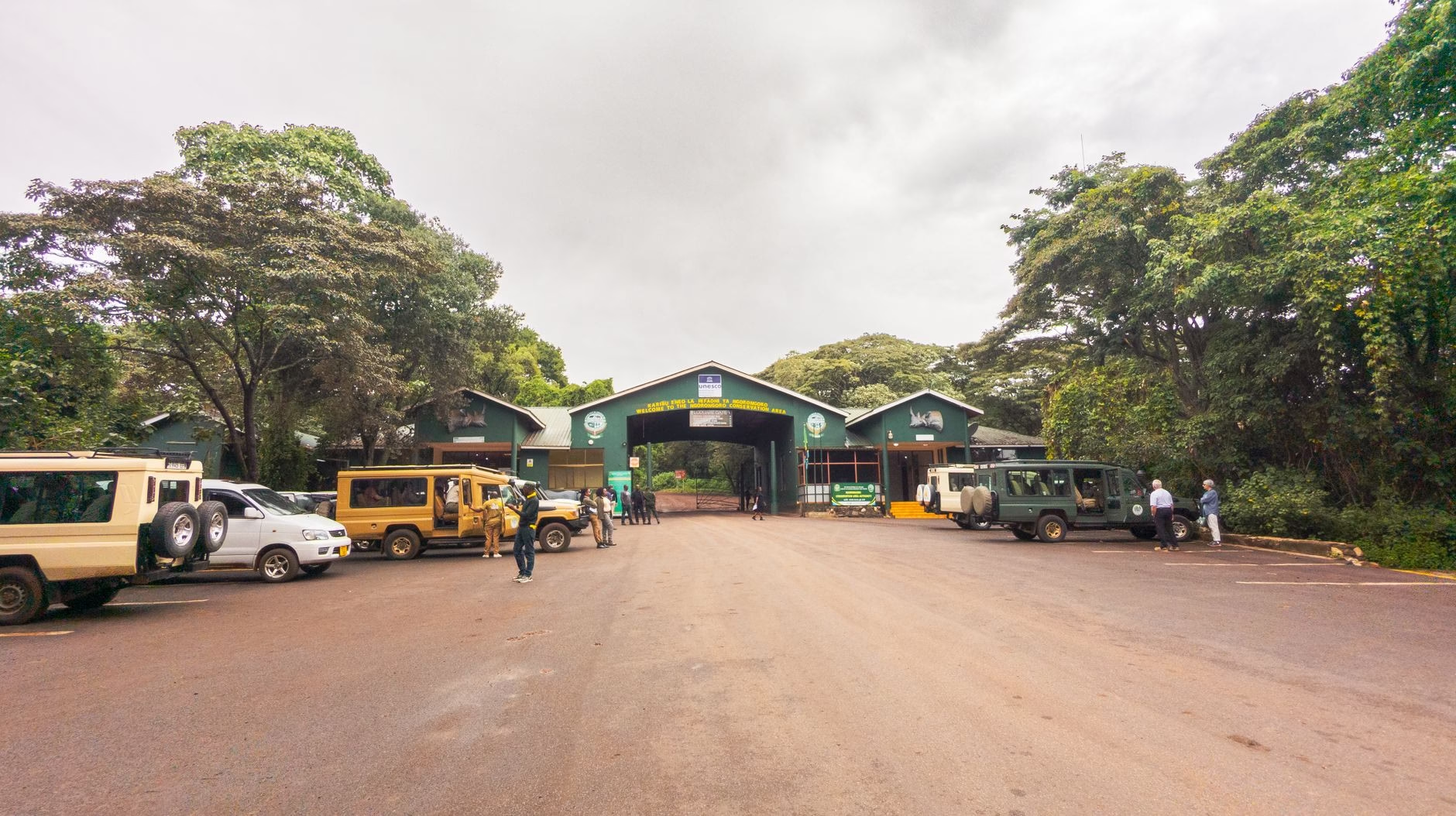
Often called the Eighth Wonder of the World, the Ngorongoro Crater is a breathtaking natural amphitheater teeming with wildlife. The crater floor hosts lions, rhinos, hippos, and large herds of antelope within a surreal volcanic landscape. The nearby highlands offer cultural encounters with Maasai communities who live and herd cattle along the crater rim.
3. Mount Kilimanjaro
Africa’s highest mountain, Kilimanjaro, rises majestically above the plains and is one of the most accessible major summits in the world. Climbing it requires preparation but not technical mountaineering skill, making it achievable for determined travelers. Routes such as Marangu and Machame offer varied scenery, from rainforest to alpine desert to snowy peak. Even if you do not plan to summit, exploring the mountain’s lower slopes and surrounding coffee farms can be equally rewarding.
4. Zanzibar Archipelago
Zanzibar is all about relaxation after safari adventures. The main island, Unguja, blends white sand beaches with deep cultural roots shaped by centuries of trade. Stone Town, a UNESCO World Heritage site, invites exploration through narrow alleys lined with wooden doors and lively markets. Offshore reef systems are perfect for snorkeling and scuba diving, while spice plantations offer a glimpse into the island’s historic trade routes.
5. Lake Manyara and Tarangire National Parks
These two parks often form part of the popular northern safari circuit. Lake Manyara is known for tree climbing lions and flocks of flamingos that paint the lake pink. Tarangire offers giant baobab trees and a dense population of elephants, particularly during the dry season.
Experiencing Tanzanian Culture
Tanzania’s charm goes beyond its wildlife. Its people are warm, proud, and deeply connected to community values. Greetings matter here, so always take time to say hello. Use a friendly “Jambo” or “Habari” to open conversation, and you will instantly feel welcomed.
Local markets are vibrant centers of daily life where you can sample fresh tropical fruit, admire handmade crafts, and interact with local artisans. Visiting a Maasai or Hadzabe community can provide genuine insight into traditional lifestyles, but choose visits that support sustainable tourism, ensuring local people benefit directly.
Cuisine is another window into local culture. Try ugali, a maize porridge served with stewed vegetables or meat, nyama choma which is roasted meat often prepared over charcoal, and samaki wa kupaka, grilled fish in coconut sauce. At coastal areas, expect a strong influence of Indian and Arabic flavors, creating rich curries and spice laden dishes.
Getting Around Tanzania
Tanzania’s size requires thoughtful planning for transportation.
By Air
Domestic flights are the quickest way to move between northern safari parks and the coast. Reliable carriers include Coastal Aviation and Auric Air. Booking in advance can secure better rates.
By Road
For those who prefer flexibility, many travelers hire a private vehicle with a driver guide. This option offers comfort, local knowledge, and access to remote areas. Public buses are available but can be slow and crowded, so they are better for those with time and patience.
By Ferry
To reach Zanzibar, ferries operate regularly between Dar es Salaam and Stone Town. High speed services take about two hours. Always confirm schedules and choose reputable companies for safety and comfort.
Accommodation Choices
You will find a wide range of lodging options across Tanzania.
Safari Lodges and Camps
These range from luxurious tented camps with gourmet dining to eco lodges that blend into the landscape. Book well ahead during peak season, as popular camps fill up early.
Beach Resorts
Zanzibar and the coastal mainland offer accommodations that suit every budget. Many mid range and luxury resorts feature beachfront villas, swimming pools, and ocean view restaurants perfect for relaxing after a safari.
Budget and Mid Range Options
Hostels, guesthouses, and community lodges are available in most towns. They provide an affordable way to experience local hospitality, often including home cooked meals and cultural experiences.
Practical Tips for First Time Visitors
- Visa and Entry: Most travelers can obtain a visa upon arrival or apply online before departure. Check current requirements close to your travel date.
- Health Precautions: Vaccinations for yellow fever, hepatitis A, and typhoid are often recommended. Malaria prevention is essential, so bring prescribed medication and insect repellent.
- Money and Payments: The local currency is the Tanzanian shilling. Cash is useful, especially outside major cities. Larger hotels and tour operators may accept credit cards.
- Safety and Etiquette: Tanzania is generally safe, but remain aware of surroundings and respect local customs. Modest dress is appreciated in rural areas and religious sites.
- Tipping: Tipping is customary and appreciated. Safari guides and drivers rely on it as part of their income, so consider around ten to fifteen dollars per person per day if you are satisfied with their service.
Conclusion
Tanzania is a destination that rewards curiosity with extraordinary experiences. It invites you to stand before elephants at dawn, watch flamingos shimmer against lake reflections, trace the paths of ancient traders, and rest beneath palm trees by the sea. For first time visitors, understanding when to go, what to see, and how to connect meaningfully with the people adds immeasurable value to the journey.
With good planning, a spirit of respect, and an openness to discovery, your first visit to Tanzania will not only exceed expectations but also inspire you to return. The combination of natural magnificence and genuine warmth of its people ensures that Tanzania leaves a lasting place in your heart.
Further Reading
3 Day Istanbul Itinerary for First Time Visitors
Travel to Somalia; How I Traveled to Mogadishu
Free Family Things to do in Chicago Today
[How to Spend Four Days in Hong Kong](https://www.neverendingfootsteps.com/four-day-itinerary-hong