
Madagascar is often called the eighth continent, and once you set foot on this island, you quickly understand why. Drifting away from mainland Africa millions of years ago, it evolved into an ecological world of its own, filled with creatures and landscapes found nowhere else on Earth. For nature lovers, Madagascar is not just a destination, it is an unfolding wonder of biodiversity, where each region reveals a new secret wilderness waiting to be explored.
- Explore Madagascar's varied ecosystems: rainforests, dry plateaus, and coastal reefs, each offering unique wildlife and dramatic landscapes.
- Visit flagship parks: Andasibe, Ranomafana, Isalo, and Tsingy de Bemaraha for lemurs, waterfalls, canyons, and towering limestone pinnacles.
- Plan carefully: travel in the dry season, allow buffer days, consider domestic flights or four-by-fours, and pack rain gear and sturdy footwear.
- Respect local customs and support sustainable tourism: hire local guides, stay in community lodges, and avoid wildlife or coral souvenirs.
In this comprehensive travel guide, we will explore what makes Madagascar a dream destination for those who crave connection with nature. You will learn about its unique flora and fauna, how to plan your visit, where to experience its most captivating natural treasures, and what to expect when traveling across one of the world’s most fascinating islands.
The Allure of Madagascar’s Ecosystems
Madagascar is home to a spectacular array of ecosystems that range from humid rainforests to spiny deserts and coral reefs. More than 80 percent of its wildlife is found nowhere else. This includes 100 species of lemurs, chameleons of every imaginable size, and trees like the baobabs that look as though they were drawn from a fantasy tale.
Nature lovers are particularly drawn to three main types of environments:
1. Rainforests of the East
These lush forests, such as those found in Andasibe-Mantadia National Park, are alive with sound and movement. Early mornings bring the haunting calls of the indri lemurs, and sunlight filters through orchids and moss-covered trees. For travelers interested in wildlife photography and guided hikes through thick canopy trails, this region is a treasure trove.
2. The Dry Heart of the Island
Moving inland, you will encounter the drier woodlands and plateaus. The landscape here, especially around Isalo National Park, is filled with eroded sandstone formations, deep canyons, and grassy savannas. It is an inviting location for trekkers looking for scenic hikes and dramatic sunsets.
3. The Coastal and Marine Regions
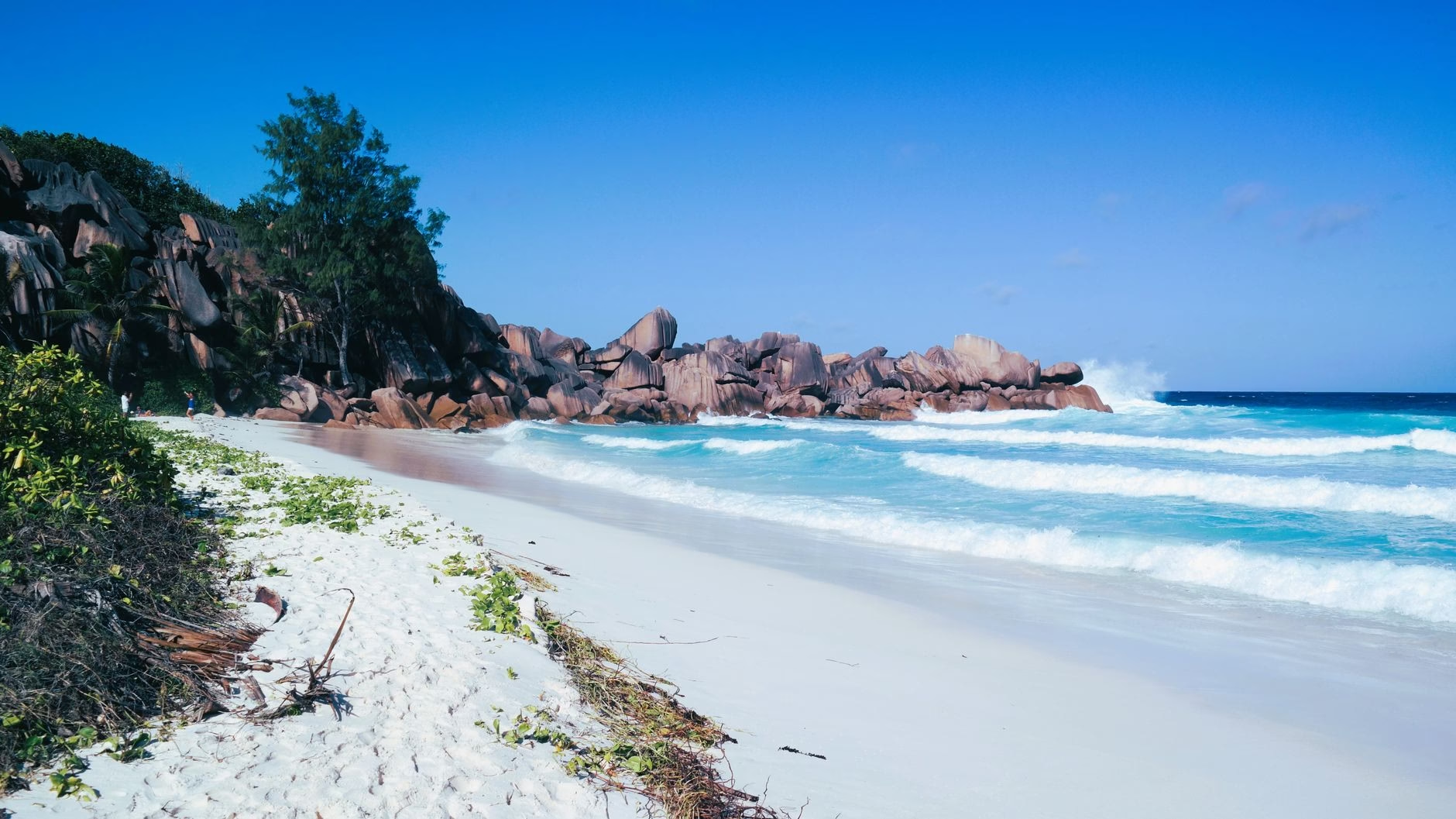
Madagascar boasts some of the most pristine beaches and coral systems in the Indian Ocean. Nosy Be in the northwest and Île Sainte-Marie off the east coast are havens for marine enthusiasts. Between June and September, whales migrate through Sainte-Marie’s waters, offering unforgettable viewing opportunities for responsible wildlife watchers.
Top National Parks and Reserves to Visit
Madagascar’s network of protected areas makes it relatively easy for travelers to encounter its biodiversity responsibly. Each park offers a distinct ecological experience.
Andasibe-Mantadia National Park
Located about three hours from Antananarivo, this is one of the most accessible and popular reserves for first-time visitors. Guides help travelers track indris, diademed sifakas, and tiny leaf-tailed geckos. The nearby village of Andasibe offers comfortable eco-lodges and night walks to see nocturnal species.
Ranomafana National Park
A UNESCO World Heritage site, Ranomafana is a mountainous rainforest filled with natural hot springs and rare species like the golden bamboo lemur. Visitors can explore an extensive network of trails, from gentle nature walks to multi-day treks. Packing lightweight rain gear is essential since mist and showers add to the park’s lush atmosphere.
Isalo National Park
For landscapes that surprise at every turn, Isalo is unmatched. It offers rugged canyons, natural swimming holes, and palm-lined oases. The ring-tailed lemurs often accompany visitors along the trails, and the sweeping view from the Window of Isalo is one of the island’s great sunset moments.
Tsingy de Bemaraha National Park
This UNESCO site features one of the most extraordinary geological formations on the planet. The word “tsingy” refers to the sharp limestone pinnacles that rise from the earth, forming a nearly impassable maze. Rope bridges, ladders, and narrow trails lead adventure-seekers deep into these stone cathedrals. Birdwatchers will also enjoy spotting rare species among the cliffs.
Practical Travel Tips for Nature Explorers
To get the most out of a nature-focused trip to Madagascar, thoughtful planning makes all the difference. Infrastructure can be basic in remote regions, and travel times between major locations tend to be longer than maps suggest. Here are some important considerations:
Travel Timing
The best months for visiting most of Madagascar are from April to November, which is the dry season. Wildlife activity is high, and traveling is more comfortable. The wet season, from December to March, can bring cyclones to coastal areas, making some roads impassable.
Local Guides and Responsible Tourism
Hiring local guides through official park offices is not only beneficial to the community but also allows you to spot wildlife that would otherwise go unnoticed. Supporting lodges that practice sustainable tourism helps preserve the fragile ecosystems you came to admire. Avoid purchasing souvenirs made from coral, hardwood, or wildlife materials.
Transport and Getting Around
Domestic flights save time when visiting distant regions, though road trips offer unforgettable scenic views. A four-by-four vehicle is essential for areas like Tsingy de Bemaraha or southern Madagascar. Public taxi-brousses (shared vans) are the local option, though comfort varies. Always plan buffer days for travel as delays are common.
Health, Safety, and Packing
Traveling in remote areas requires a bit of preparation.
- Vaccinations and malaria precautions are recommended.
- Bring eco-friendly insect repellent and sunscreen.
- A reusable water filter is useful in national parks where plastic bottles are discouraged.
- Good hiking footwear, lightweight clothing, and a headlamp for night walks will make exploration comfortable.
Cultural Encounters and Ethical Travel
Madagascar’s connection to nature extends beyond its landscapes. The Malagasy people have a deep cultural relationship with the environment. Many communities practice traditional conservation through taboos called “fady,” which protect sacred forests and animals. Engaging respectfully with these customs enhances your understanding of how people and nature coexist here.
Visiting local markets, staying in community lodges, or dining on Malagasy dishes such as vary amin’anana (rice with greens) and zebu skewers helps sustain village economies. Adding cultural experiences to a nature trip creates a more rounded journey and leaves a positive footprint behind.
Planning Your Itinerary
A well-balanced itinerary allows visitors to see diverse regions while minimizing travel fatigue.
- For first-time travelers, a two-week route combining Andasibe, Ranomafana, and Isalo offers a wonderful mix of rainforest, mountain scenery, and unique wildlife.
- Those interested in marine life can include Nosy Be or Île Sainte-Marie for snorkeling, diving, and whale watching.
- Adventure-focused explorers can head west toward Tsingy de Bemaraha and the Avenue of the Baobabs near Morondava for some of the most iconic landscapes in Africa.
Travel between regions often requires returning through Antananarivo, so plan for stopovers. The capital also has fine handicraft markets and a growing selection of boutique hotels for rest days.
Conclusion: A Living Laboratory of Nature
Madagascar is more than a destination for nature lovers, it is an open-air laboratory for understanding evolution, ecology, and human resilience. Every forest path, coral reef, and savanna trail reveals a story millions of years in the making. Visiting this island rewards travelers not only with incredible wildlife encounters but also with a renewed sense of our planet’s fragile beauty.
With careful planning, respect for local culture, and a spirit of curiosity, you can experience Madagascar in a way that enriches both you and the ecosystems that make it so extraordinary.
Further Reading
3 Day Istanbul Itinerary for First Time Visitors
Travel to Somalia; How I Traveled to Mogadishu
Free Family Things to do in Chicago Today
How to Spend Four Days in Hong Kong