
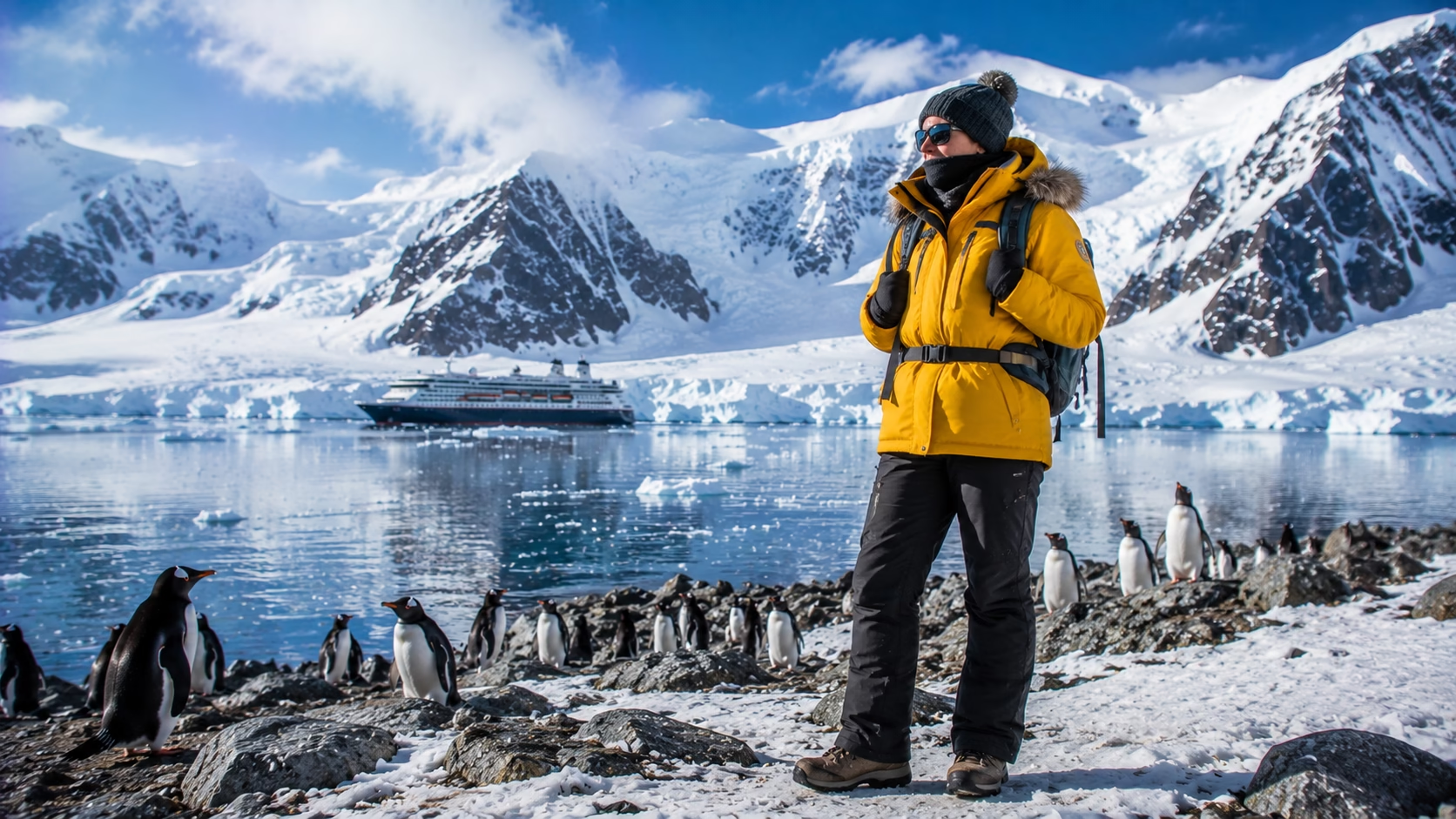
Setting foot on the frozen frontier of Antarctica is unlike any other adventure on Earth. Here, nature speaks through silence, sculpted ice, and an ethereal light that can feel almost otherworldly. Yet while the landscape may look serene, the environment demands absolute respect and preparation. One of the key elements of this preparation is knowing exactly what to wear.
Unlike other destinations, dressing for Antarctica is about survival, comfort, and performance. The right clothing keeps you warm, dry, and flexible enough for exploration, but the wrong gear can easily ruin an experience. In this guide, you will learn what to wear in Antarctica, how to layer effectively, and what essential items are needed for both the ship and the shore.
By the end of this article, you will understand how to dress like a true polar traveler—ready for the subzero temperatures, unpredictable winds, and unforgettable excursions that make this remote continent one of the planet’s most extraordinary journeys.
Understanding Antarctica’s Extreme Climate
Antarctica is not just cold, it is a continent that can redefine your idea of cold. Summer, the only season when expeditions operate, typically runs from November to March. During this time, average temperatures on the Antarctic Peninsula range from about minus two to eight degrees Celsius. However, the chill can intensify dramatically with the wind factor.
Weather conditions change fast. A clear sky can shift to heavy snow or icy mist within minutes. Add katabatic winds that sweep down from the glaciers, and you have an environment that may feel twenty degrees colder than the thermometer suggests.
Understanding this variability is essential because it determines how you layer. The goal is not only warmth but versatility—being able to adapt quickly to fluctuating temperatures without overheating or feeling damp from perspiration.
The Importance of Layering
Layering is the golden rule of Antarctic clothing. Instead of wearing one heavy coat, travelers rely on multiple layers that trap warm air and wick away moisture.
1. The Base Layer: Moisture Management
This is the layer next to your skin, and its purpose is to keep perspiration away. Avoid cotton at all costs—it traps moisture and leaves you chilled. Instead, choose merino wool or synthetic thermal tops and leggings. These materials regulate temperature while ensuring you stay dry and comfortable even during physical activity like hiking or kayaking.
Related Posts:
2. The Mid Layer: Insulation and Warmth
The mid layer retains body heat. A fleece jacket or lightweight insulated jacket works perfectly. For colder regions of the Peninsula or during zodiac rides, many travelers prefer thicker down or synthetic puff jackets. Some use a combination, depending on daily conditions.
3. The Outer Layer: Wind and Water Protection
Your outer shell protects from the elements. Look for a windproof, waterproof, and breathable parka. Many expedition cruises actually provide a branded parka for travelers to keep. Waterproof over-trousers or shell pants are just as essential, keeping you dry when landing through icy surf or kneeling on the snow to photograph penguins.
This system gives you full control. When temperatures rise on a sunny day, you remove one layer. When winds pick up, you add it back. That flexibility ensures consistent comfort and safety throughout your Antarctic adventure.
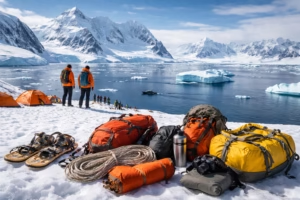
Essential Clothing and Gear for Shore Excursions
Most of your Antarctic exploration happens through daily zodiac landings and guided walks. The right gear determines how much you enjoy these experiences.
Waterproof Boots:
All visitors must wear knee-high waterproof boots. These are critical because shore landings usually involve stepping into shallow icy water. Many cruise companies provide them, but confirm before your trip. A good boot also provides support on rocky and uneven terrain.
Thermal Socks:
Double layering is common—thin moisture wicking liners combined with thicker thermal or merino wool socks. Avoid tight fits to maintain circulation, which is key to warmth.
Gloves and Hand Protection:
Two pairs of gloves work best. A thin liner allows dexterity for photography, while an insulated waterproof outer glove keeps the cold out. Some travelers prefer mittens for extra heat retention.
Head and Neck Protection:
A fleece or wool hat that covers your ears is essential. Balaclavas or neck gaiters protect the face from biting wind and the reflection of sunlight off the ice. Remember, most body heat is lost through the head, so do not underestimate this area.
Sunglasses and Goggles:
The light reflection from snow and ice can be blinding. Polarized sunglasses with full UV protection are a must for clear days, while goggles are useful during windy or snowy conditions.
Waterproof Backpack:
A small dry bag or waterproof backpack safeguards cameras, extra gloves, and snacks from sea spray and snow.
Clothing for Onboard Comfort
While the ship provides warmth and shelter, travelers should still pack smartly for onboard comfort.
Life on an Antarctic expedition ship is casual. Layers remain important, but the focus is comfort and relaxation. Pack soft, breathable clothing such as long sleeve shirts, lightweight sweaters, and fleece pullovers. Comfortable pants or leggings are perfect for lounging after a day of exploration.
Bring indoor shoes or warm slippers as outdoor boots stay in the mud room. Carry a cozy jacket or shawl for deck viewing, where you will spend hours watching icebergs drift or whales surface in the distance. For the dining area and briefings, smart casual clothing works well—think of comfort paired with modest style.
Practical Packing Tips
Antarctica’s remote nature means you cannot simply buy what you forget to bring. Every item in your bag should serve a purpose.
Choose Quality over Quantity:
Pack fewer but better items. Reliable materials like GoreTex, down, and merino wool are worth the investment.
Layer for Versatility:
Plan outfits that can adapt to temperature changes rather than separate ones for each situation.
Waterproof Everything:
Use dry sacks or plastic liners to keep gear dry during zodiac rides.
Accessories Matter:
Lip balm, high SPF sunscreen, and moisturizing cream are critical as the cold and wind can dry out skin faster than you expect.
Antarctica’s Dress Code:
There is none in the formal sense, which is part of its charm. Practicality and warmth always come before fashion, though modern expedition wear often blends both stylish and functional features.
Conclusion
Traveling to Antarctica is a life changing experience, an encounter with a land that few people have seen and even fewer have truly understood. Dressing properly is the key to enjoying it to the fullest. When your gear works with the elements, you can focus entirely on what you came to do—stand among penguins, listen to the crack of calving glaciers, and gaze at the brilliance of light that defines the ends of the Earth.
By layering intelligently, choosing high quality materials, and preparing for all conditions, you transform the challenge of Antarctica’s weather into part of its wonder. With the right clothing, every icy gust becomes an exhilarating reminder that you are standing in one of the wildest and most inspiring places on the planet.
Further Reading
Best Beaches in Southern Europe
Cheapest Countries to Visit in Africa
Travel to Somalia; How I Traveled to Mogadishu
Free Family Things to do in Chicago Today
How to Spend Four Days in Hong Kong