
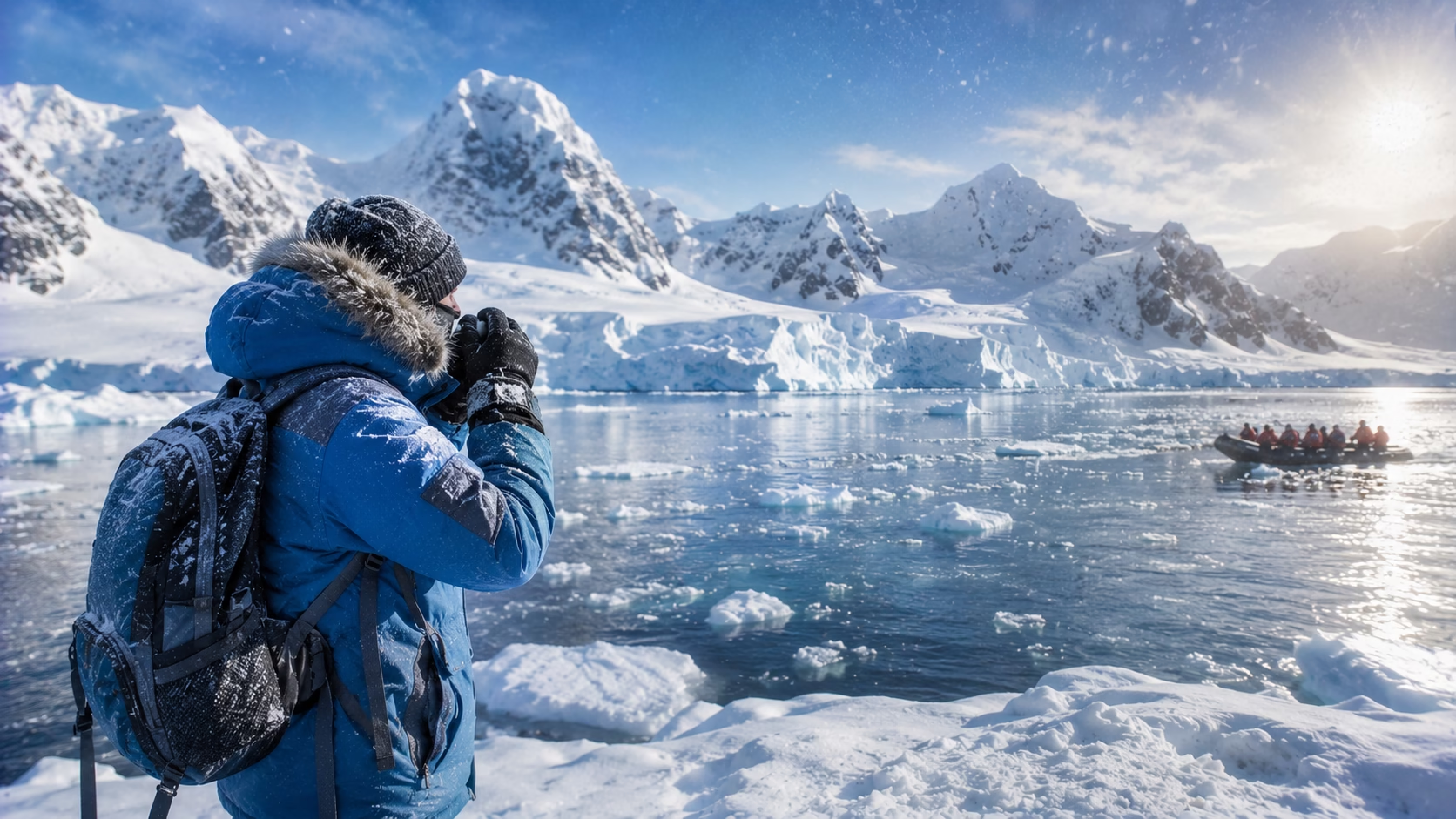
Few places on Earth capture the imagination like Antarctica. Its vast white landscape, sculpted by centuries of ice and wind, is both breathtakingly beautiful and unimaginably harsh. Visitors often wonder what it really feels like to stand at the edge of the world, surrounded by glaciers and crowned by a silence so pure it seems otherworldly. Before setting foot on the icy continent, every traveler asks the same question: How cold is Antarctica for tourists?
This article explores the reality of Antarctic temperatures, the seasonal variations that affect visitor experience, and what kind of weather conditions travelers can expect during an expedition. We will also discuss what the cold means in practice—from the clothing you need to the best months for exploration. Whether you are preparing for your first polar voyage or simply curious about life at the extremes, this guide will show you exactly what to expect from Antarctica’s cold.
Understanding Antarctica’s Climate
Antarctica is the coldest place on Earth, and understanding why begins with geography. The continent sits at the South Pole, surrounded entirely by ocean, and is covered by an ice sheet that reflects most of the sun’s rays back into space. Even during the Antarctic summer, when there is sunlight twenty-four hours a day, the sun never rises high enough to create warmth similar to what we feel in other parts of the world.
Scientists divide the continent into two main regions: the Coastal Antarctica and the Interior Plateau. For tourists, this distinction is important:
- The Interior Plateau is a realm of extremes, with average winter temperatures dropping below minus sixty degrees Celsius. Very few people, even scientists, remain there during the coldest months.
- The Coastal Regions, where all tourist landings occur, are considerably milder, though still cold by any normal standard. During the summer season, which runs roughly from late November to early March, daytime temperatures along the coast usually range between minus two and eight degrees Celsius.
The surrounding Southern Ocean plays a moderating role, keeping coastal areas slightly warmer than the frozen interior. Yet the continent’s strong winds and unpredictable storms can make the chill feel far more intense than the numbers suggest.
Seasonal Variations: When Is the Best Time to Visit?
Tourists can only visit Antarctica during the austral summer. The continent is accessible for a brief window each year when sea ice retreats and cruise vessels can navigate the passageways. Understanding the seasonal temperature changes helps travelers choose the right time to go.
Early Summer (November to December)
During this period, temperatures along the Peninsula hover around the freezing point. The ice is pristine white, penguins begin nesting, and daylight lasts nearly around the clock. This is the coldest part of the tourist season but also one of the most spectacular for photography.
Mid Summer (January to mid February)
This is the warmest time to visit, when temperatures can rise to around five to eight degrees Celsius on clear days. The ice has softened, wildlife activity is at its peak, and the sea conditions allow access to more remote areas. For comfort and visibility, this is considered the ideal travel window.
Related Posts:
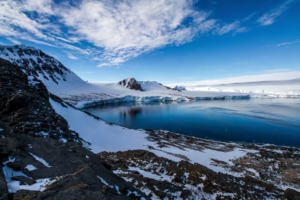
Late Summer (February to March)
By late February, the first hints of autumn appear. Temperatures begin to slip slightly below freezing again, and some wildlife starts to migrate. However, the late season is excellent for whale sightings and offers a quieter, more reflective atmosphere.
How Cold Feels Different in Antarctica
Numbers alone do not tell the full story of Antarctic cold. The sensation depends on several factors: wind, humidity, and exposure. Even mild-sounding temperatures can be punishing when combined with 40 kilometer-per-hour gusts of wind.
- Wind Chill Effect: A five degree day can feel like minus fifteen when strong winds sweep across the sea ice. Travelers quickly learn the importance of quality outerwear and windproof layers.
- Dry Cold vs. Humid Cold: Antarctica’s air contains very little moisture, which makes the chill feel less piercing than in damp climates. Still, any exposed skin can freeze in minutes if the temperature drops suddenly.
- Microclimates: The weather can shift dramatically within hours. A calm, sunny morning might turn into a whiteout by afternoon. Expedition teams monitor conditions constantly to ensure safety.
Experienced guides often emphasize mental adjustment as much as physical preparation. Once you accept that cold is part of the experience, it becomes less of an obstacle and more of a connection to the environment.
Preparing for the Cold: What Tourists Should Wear
Surviving the Antarctic chill is not only about endurance, it is about preparation. Tour operators usually provide specific guidelines on what to pack, but the key is layering. The clothing strategy used by polar experts follows three main principles:
- Base Layer: Worn next to the skin, this should be moisture wicking thermal fabric that keeps your body dry. Avoid cotton entirely; it retains moisture and can cause rapid heat loss.
- Insulating Layer: Fleece or down jackets trap body heat. Depending on the conditions, travelers often adjust this layer multiple times per day.
- Outer Shell: Waterproof and wind-resistant material provides protection from the elements during landings and zodiac rides.
Additional essentials include:
- Insulated waterproof boots suitable for stepping into icy water during landings
- Thermal gloves and liner gloves for dexterity when handling cameras
- A warm hat that covers your ears, neck gaiter, and goggles for windy days
- Hand warmers and moisture-resistant socks
While you may never face the minus sixty temperatures experienced by scientists, even a relatively mild Antarctic breeze can surprise those unprepared. Comfort in this environment is an achievement of smart packing and thoughtful layering.
Experiencing the Cold: A Reality Beyond Numbers
Antarctica’s cold is more than a statistic, it shapes every experience. When you step onto the snow and your boots crunch over ancient ice, you feel both the fragility and the permanence of this wilderness. The clarity of the air, the shimmer of sunlight on blue icebergs, and the quiet hum of penguin colonies are experiences that the cold somehow intensifies.
Tourists often describe a profound sense of peace despite the extreme temperatures. The cold brings a slower rhythm. You move carefully, notice details, and feel gratitude for every moment of warmth. The air is so clean that each breath feels sharper and more vital than anywhere else on the planet.
Traveling here is not about escaping the cold but about meeting it. With proper preparation and the right expectations, what seems like the harshest environment on Earth becomes one of the most rewarding destinations a traveler can ever experience.
Conclusion: The Beauty Within the Chill
Antarctica is undeniably cold, but its cold is not an obstacle, it is the essence of what makes the continent so extraordinary. Understanding how temperatures vary across the region and knowing how to prepare allow tourists to embrace the environment fully rather than endure it reluctantly.
For most visitors, the Antarctic summer brings manageable, even surprisingly comfortable, conditions as long as they dress appropriately. Beyond the numbers on a thermometer lies an experience that challenges perception and deepens appreciation for our planet’s wilderness.
To stand in Antarctica is to feel the power of nature at its purest, where cold becomes beauty and ice becomes wonder. For travelers willing to brave it, the reward is priceless: a journey to the coldest yet most inspiring place on Earth.
Further Reading
Best Beaches in Southern Europe
Cheapest Countries to Visit in Africa
Travel to Somalia; How I Traveled to Mogadishu
Free Family Things to do in Chicago Today
How to Spend Four Days in Hong Kong