Kangra Valley Paintings: Capturing the Beauty of the Western Himalayas
Discover how Kangra Valley paintings beautifully capture the essence of the Western Himalayan region, showcasing its rich culture and landscapes.
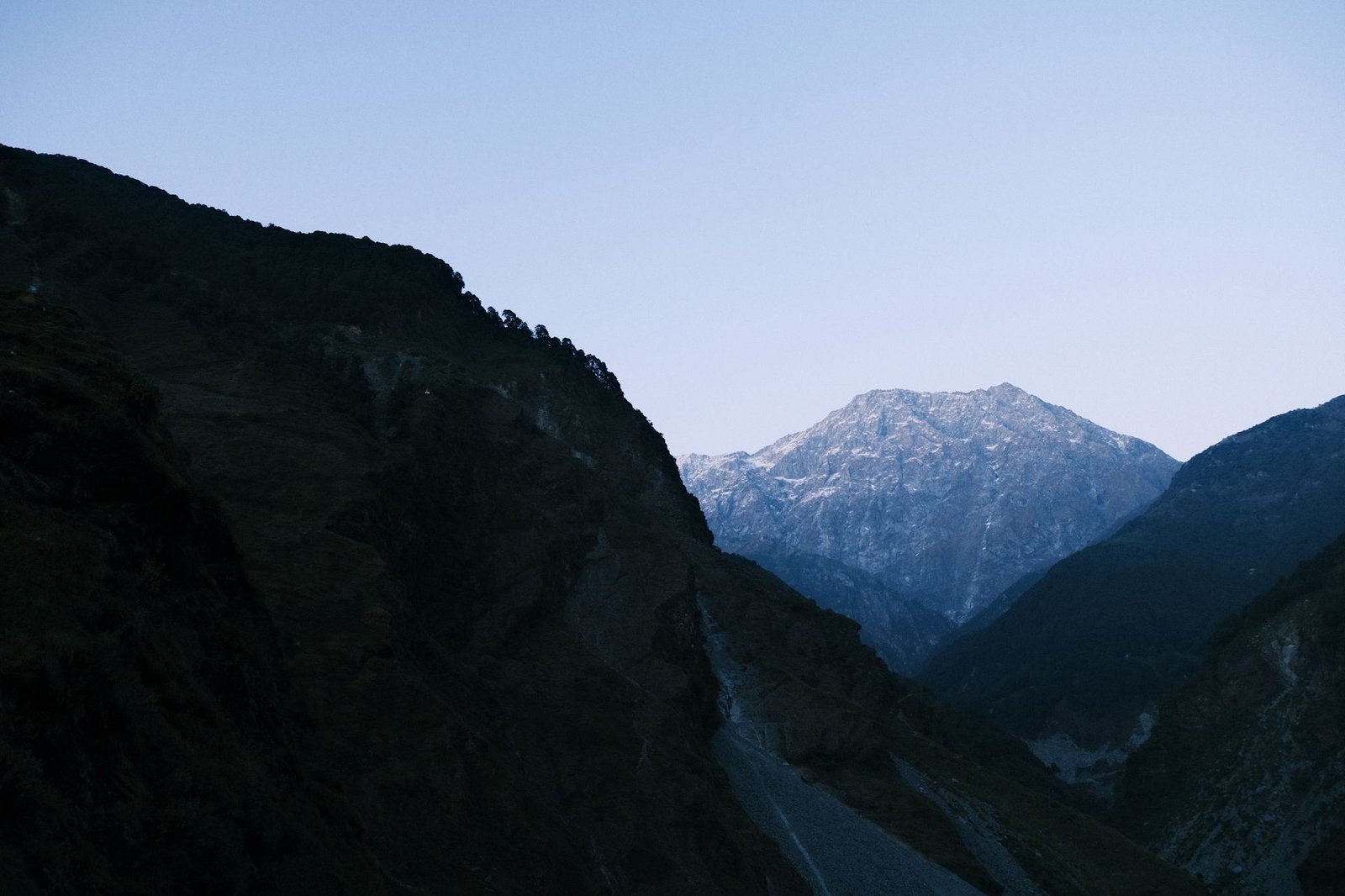
The Kangra Valley, nestled in the foothills of the Western Himalayas, is renowned not only for its breathtaking landscapes but also for its rich tradition of painting. The vibrant colors and intricate details of Kangra Valley paintings encapsulate the beauty of this region, showcasing its flora, fauna, and cultural heritage. These artworks serve as historical records, reflecting the life, beliefs, and environment of the people who inhabit this picturesque valley.
The story of Kangra Valley paintings dates back to the 18th century, primarily influenced by the Mughal style but with distinct regional characteristics. Artists from this area have developed unique techniques and themes, making their work not just visually appealing but also culturally significant.
This article explores the beauty of Kangra Valley paintings, their historical context, artistic techniques, and how they continue to thrive in modern times. Whether you are an art enthusiast or a curious traveler, understanding these paintings provides a deeper insight into the cultural tapestry of the Western Himalayan region.
The Historical Context of Kangra Valley Paintings
Kangra Valley paintings emerged during the reign of the Rajputs in the 18th century, specifically under the patronage of the rulers of the Kangra state. These paintings are a part of a larger tradition of Indian miniature paintings, which were characterized by their detailed, vibrant, and expressive styles. Artists in this region were influenced by the Mughal styles but gradually developed their distinct approach, focusing on local themes and subjects.
The historical significance of these paintings cannot be overstated. They serve as visual documents that illustrate the social, political, and economic conditions of their time. Events such as festivals, royal courts, and rural life were often captured on canvas, offering a glimpse into the past. The themes of love, nature, and mythology are prevalent in these works, reflecting the values and beliefs of the society.
- Traditional subjects often include scenes from Hindu epics, local flora and fauna, and courtly life.
- Artists utilized natural pigments derived from minerals and plants, contributing to the vibrant colors.
- The use of gold and silver leaf in some paintings added a touch of luxury and brilliance.

Artistic Techniques and Styles
The artistic techniques used in Kangra Valley paintings are distinctive and showcase the skill of the artists. One of the primary features of these paintings is their meticulous attention to detail. Each brushstroke is carefully applied, and the use of intricate patterns enhances the overall aesthetic.
Many Kangra artists employ a technique known as ‘gouache,’ a style that involves opaque water-based paints. This method allows for vibrant colors and fine detailing, making the paintings stand out. Additionally, the artists often use a flat brush to create fine lines and intricate designs, which is a hallmark of this art form.
Another significant aspect of Kangra paintings is their composition. Artists often create a sense of depth and perspective by layering elements, which adds to the overall narrative of the artwork. Landscapes are depicted with rolling hills, flowing rivers, and lush greenery, which are characteristic of the Kangra Valley.
- Gouache technique offers vibrant colors and fine detailing.
- Flat brushes are used for intricate designs and patterns.
- Compositions often include layered elements to create depth.
Modern Adaptations and Influences
In recent years, Kangra Valley paintings have seen a resurgence in interest, both locally and internationally. Contemporary artists are drawing inspiration from traditional techniques while incorporating modern themes and subjects. This fusion of old and new has led to a revitalization of the art form, ensuring its continued relevance.
Many artists now experiment with different mediums, including canvas and textiles, broadening the scope of Kangra art. This adaptability has allowed for a new generation of artists to express their creativity while honoring traditional methods. Workshops and art schools in the region promote these practices, encouraging young talent to explore the world of Kangra paintings.
Moreover, the global art market has embraced these unique artworks, with collectors and galleries recognizing their cultural significance. Exhibitions showcasing Kangra Valley paintings have been held in various parts of the world, drawing attention to the rich heritage of this art form.
- Contemporary artists are blending traditional techniques with modern themes.
- Workshops foster new talent and encourage exploration of Kangra art.
- Global interest in Kangra paintings is increasing, with international exhibitions.
Visiting Kangra Valley: An Artistic Journey
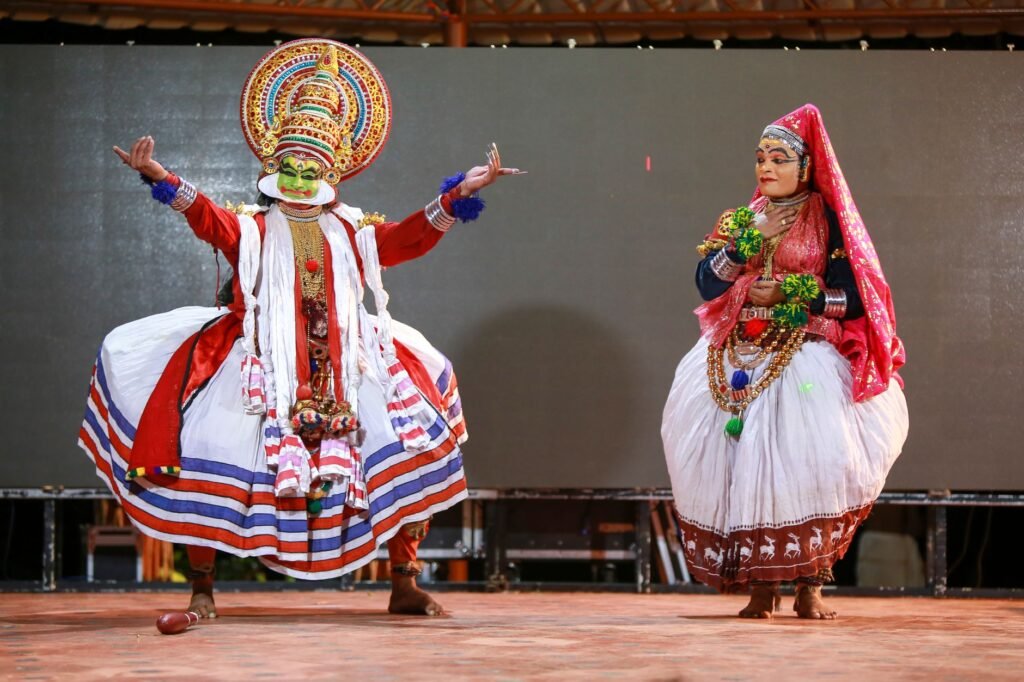
For those interested in exploring Kangra Valley paintings firsthand, a visit to the region offers numerous opportunities. The valley is dotted with art studios, galleries, and workshops where visitors can observe artists at work and even participate in painting classes. These experiences provide a unique insight into the techniques and traditions that define Kangra art.
The best time to visit the Kangra Valley is during the spring and autumn months when the weather is pleasant. During this time, visitors can also explore the stunning landscapes that inspire the artists. The valley is known for its scenic beauty, featuring rolling hills, lush forests, and serene rivers.
While in the area, consider visiting local markets where traditional artworks are sold. Supporting local artists not only helps sustain the art form but also allows you to take home unique pieces that capture the essence of the Himalayan region.
- Visit art studios and galleries for a closer look at Kangra paintings.
- Spring and autumn are the ideal seasons for exploration.
- Support local artists by purchasing original works at markets.
Practical Tips for Art Enthusiasts
To enhance your visit to Kangra Valley, consider these practical tips:
- Plan your trip during local festivals, which often showcase traditional art and cultural performances.
- Engage with local artists to gain insights into their creative processes.
- Bring a camera to capture the stunning landscapes and artwork for personal memories.
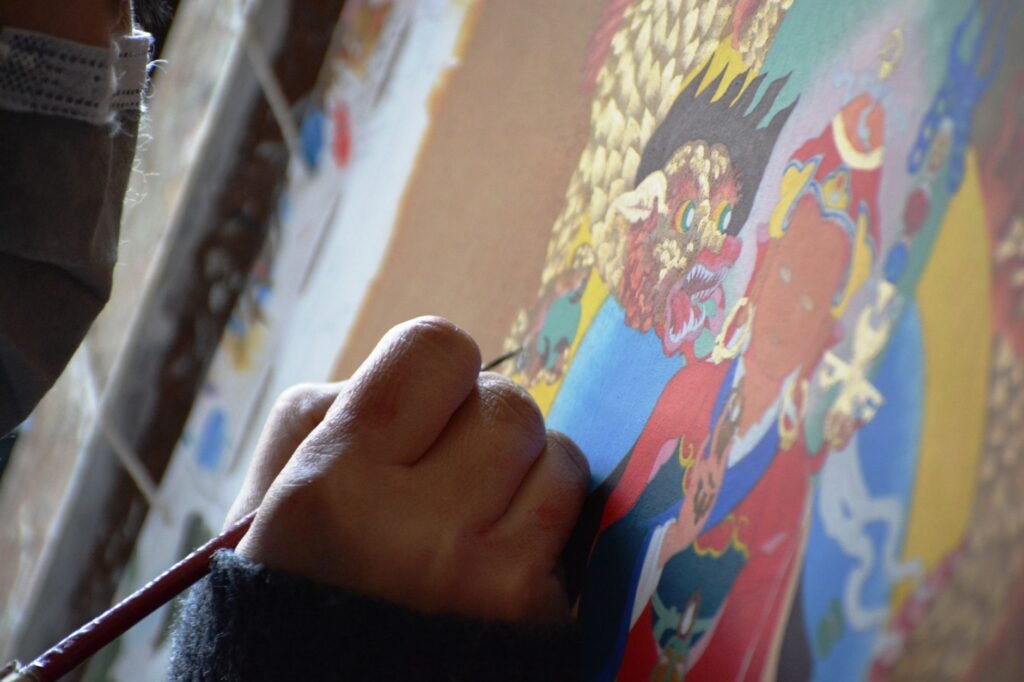
- Participate in local workshops to learn painting techniques and create your own piece of art.
The Cultural Significance of Kangra Valley Paintings
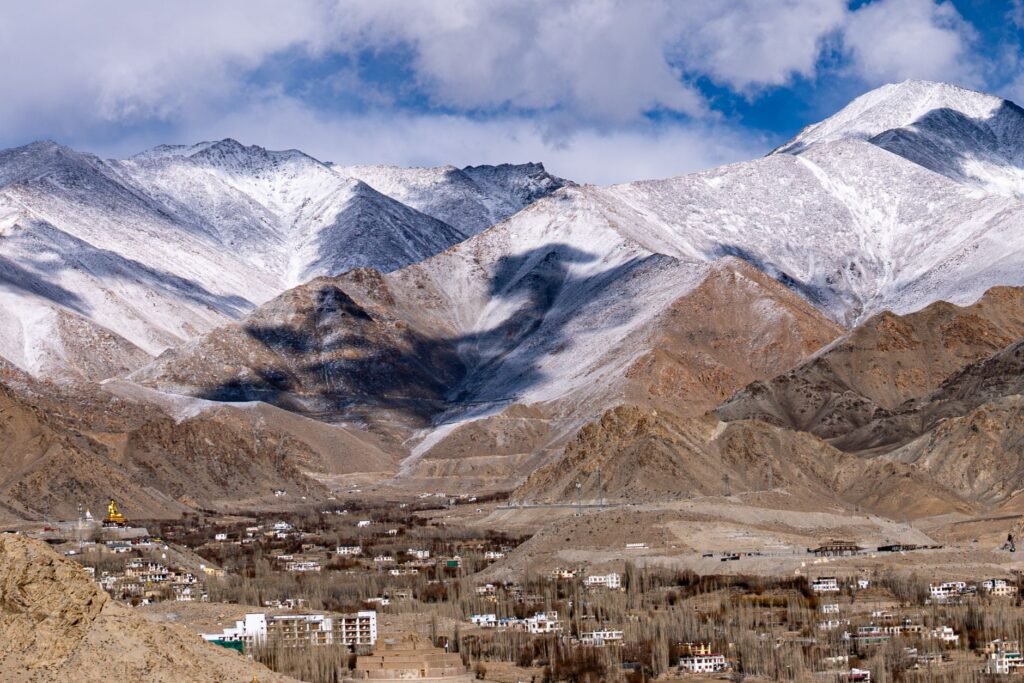
Kangra Valley paintings are not just artistic expressions; they are a reflection of the cultural and spiritual ethos of the region. These paintings often depict various themes that resonate with local traditions and beliefs.
Religious Symbolism
Many Kangra paintings are infused with religious significance, showcasing deities, spiritual narratives, and mythological tales. The intricate details in these artworks often tell stories that are essential to the cultural fabric of the region.
- Depictions of Deities: Common figures include Krishna, Radha, and various Hindu gods.
- Mythological Themes: Stories from the Mahabharata and Ramayana are frequently illustrated.
- Symbolic Colors: Each color used has a specific meaning, contributing to the overall spiritual narrative.
Understanding the religious context of these paintings can enhance the appreciation of their beauty and significance. Visitors to galleries or museums often find that the labels and descriptions accompanying the paintings provide insights into the spiritual narratives depicted.
Reflecting Social Life and Customs
Kangra Valley paintings also serve as a mirror to the social customs, daily life, and festivities of the people. They encapsulate the essence of community life, showcasing the vibrancy of local traditions.
- Festivals: Scenes of local festivals such as Lohri and Baisakhi are common.
- Occupations: Illustrations of farming, weaving, and other local crafts highlight the livelihoods of the community.
- Traditional Attire: The paintings often depict the colorful dress and jewelry typical of the local populace.
This social documentation aspect of Kangra paintings provides valuable insights into the historical lifestyles of the region’s inhabitants, making them a rich subject for both art lovers and historians.
Preservation of Heritage
As art forms bearing historical significance, Kangra Valley paintings play a crucial role in preserving the heritage of the region. They act as a repository of the cultural narratives that have been passed down through generations.
- Traditional Techniques: The methods used to create these paintings are often passed down within families, preserving artistry.
- Workshops: Local workshops focus on teaching younger generations the skills needed to continue this art form.
- Exhibitions: Art exhibitions and fairs are organized to promote awareness and appreciation of these paintings.
The preservation efforts not only keep the art form alive but also foster a sense of pride among the local communities, reinforcing their cultural identity.
Market Trends and Economic Impact
The Kangra Valley painting industry has seen various market trends that impact local artists and the economy of the region. Understanding these trends can provide insight into the future of this art form.
Emergence of Online Platforms
In recent years, the advent of online marketplaces has transformed how Kangra paintings are sold and distributed. Artists can now reach a global audience, which has significantly broadened their market.
- Art E-commerce Sites: Platforms like Etsy and Artfinder are popular for selling traditional art.
- Social Media Promotion: Artists leverage platforms like Instagram and Facebook to showcase their work.
- Virtual Exhibitions: Online galleries allow artists to exhibit their work without geographical limitations.
This digital shift has not only increased sales but has also raised awareness of Kangra Valley paintings, attracting art enthusiasts from around the world.
Tourism and Art Sales
The tourism sector plays a significant role in the economic viability of Kangra Valley paintings. Visitors often seek to purchase authentic artworks as souvenirs, which directly benefits local artists.
- Art Galleries: Local galleries often host exhibitions that attract tourists.
- Workshops for Tourists: Many artists offer workshops that allow visitors to learn about the painting techniques.
- Art Fairs: Annual art fairs in the region showcase local talent and draw large crowds.
This intersection of tourism and art not only stimulates the local economy but also contributes to the preservation of the cultural heritage of the Kangra Valley.
Challenges Faced by Artists
Despite the positive trends, artists in the Kangra Valley face numerous challenges that can impact their work and livelihood. Addressing these issues is crucial for the sustainability of this art form.
- Competition: Increased competition from mass-produced art and imitation pieces can undermine local artists.
- Funding and Support: Many artists struggle with limited access to funding for their projects and initiatives.
- Changing Preferences: The evolving tastes of consumers may lead to a decline in demand for traditional styles.
Understanding these challenges is essential for anyone interested in supporting the art community in the Kangra Valley, whether through purchasing works or promoting local initiatives.

Educational Opportunities and Community Engagement
Educational initiatives play a vital role in keeping the tradition of Kangra Valley paintings alive. Various programs aim to engage the community and foster a new generation of artists.
Art Education Programs
Several organizations and art institutions have established educational programs aimed at teaching the traditional techniques of Kangra paintings. These programs often target young artists and aspiring painters.
- Workshops: Hands-on workshops that teach the basics of painting, color mixing, and brush techniques.
- Certificate Courses: Formal courses offered by local art schools that cover the history and techniques of Kangra paintings.
- Community Classes: Free or low-cost classes aimed at local residents to encourage participation.
These educational opportunities not only prepare future artists but also promote cultural pride and awareness within the community.
Artist Collaborations and Community Projects
Collaborative projects between local artists and community organizations can lead to vibrant art installations and public exhibitions that celebrate Kangra Valley’s artistic heritage.
- Mural Projects: Community murals that showcase local history and culture.
- Art Festivals: Events that bring together artists and the community to celebrate and promote Kangra art.
- School Programs: Collaborations with schools to introduce students to the art of Kangra painting.
Such initiatives not only enhance community engagement but also create opportunities for artists to gain visibility and recognition for their work.
Mentorship and Support Networks
Establishing mentorship programs can significantly benefit emerging artists in the Kangra Valley. Experienced artists can share their knowledge and skills, fostering a collaborative environment.
- Mentorship Programs: Pairing young artists with seasoned professionals for guidance.
- Artist Collectives: Groups of artists who come together to support each other’s work and share resources.
- Networking Events: Opportunities for artists to connect with potential buyers, gallery owners, and other artists.
These support networks can empower local artists, helping them navigate the art world while keeping the tradition of Kangra Valley paintings alive.
Frequently Asked Questions
What are the main themes in Kangra Valley paintings?
The primary themes include nature, mythology, and rural life, often depicting scenes from Hindu epics and local traditions.
Where can I buy authentic Kangra Valley paintings?
Authentic Kangra paintings can be purchased at local markets, art galleries, and directly from artists’ studios in the Kangra Valley.
Are there workshops available for learning Kangra painting techniques?
Yes, many art studios in the Kangra Valley offer workshops for visitors interested in learning traditional painting techniques.
How can I support local artists in Kangra Valley?
Purchasing artwork directly from artists or at local markets is a great way to support their work and sustain the art form.
The Bottom Line
Kangra Valley paintings are not just artistic expressions; they are cultural treasures that record the beauty of the Western Himalayan region. From their historical context to modern adaptations, these artworks continue to inspire and captivate audiences. A visit to this enchanting valley offers a unique opportunity to engage with the rich artistic heritage and appreciate the talents of local artists.
Visa rules, prices and opening times change. Always confirm details with official sources before you travel.