The World’s Best Sailing Adventures: Explore the Seas
Discover the world's best sailing adventures, from exotic destinations to practical tips for a memorable experience on the water.
The Allure of Sailing Adventures
Sailing offers a unique way to explore the world, combining adventure, relaxation, and a connection with nature. The vastness of the ocean and the thrill of navigating through it attract countless travelers every year. Whether you’re a seasoned sailor or a novice looking to embark on your first voyage, the world’s best sailing adventures await you.
From the crystal-clear waters of the Caribbean to the rugged coastlines of New Zealand, sailing can take you to some of the most breathtaking destinations. Each region offers its own unique experiences, cultures, and landscapes, making sailing an adaptable adventure for all types of travelers. In this guide, we will explore some of the best sailing destinations, practical tips for your journey, and safety measures to ensure an enjoyable experience.
As you plan your sailing adventure, consider the types of experiences you seek. Are you looking for a leisurely cruise in picturesque waters or an exhilarating race against the wind? Understanding your preferences will help you choose the right destination and sailing style for your trip.

Top Sailing Destinations
1. The Caribbean
The Caribbean is often regarded as a sailing paradise. With its calm waters, consistent winds, and a plethora of islands to explore, it attracts sailors of all skill levels. Popular routes include the British Virgin Islands, where you can hop from one island to another, experiencing vibrant cultures and stunning beaches.
Some of the must-visit islands include:
- Tortola: The largest island in the British Virgin Islands, known for its beautiful beaches and rich history.
- St. Martin: A unique blend of French and Dutch culture, offering gourmet dining and lively nightlife.
- Antigua: Home to 365 beaches, one for every day of the year, making it a sailor’s dream.
The best time to sail in the Caribbean is during the winter months, from December to April, when the weather is dry and pleasant.
2. The Mediterranean
The Mediterranean Sea is another iconic sailing destination, renowned for its stunning coastlines, historical sites, and diverse cultures. Whether you’re sailing along the Amalfi Coast in Italy or exploring the Greek Islands, the Mediterranean offers something for everyone.
Key highlights include:
- Greece: Famous for its beautiful islands like Santorini and Mykonos, where crystal-clear waters meet ancient ruins.
- Italy: Discover the picturesque Cinque Terre or the stunning coastline of Sardinia.
- Spain: Experience the vibrant culture of Ibiza or the tranquil beauty of the Balearic Islands.
The ideal sailing season in the Mediterranean is from May to October, with warm weather and favorable winds.
3. Southeast Asia
Southeast Asia is emerging as a top sailing destination, offering exotic locations, rich marine biodiversity, and affordable sailing options. The region is known for its warm waters and stunning landscapes, making it a perfect choice for adventurous sailors.
Notable destinations include:
- Thailand: Explore the stunning islands of Phuket and Koh Phi Phi, known for their vibrant nightlife and breathtaking scenery.
- Indonesia: Discover the stunning beauty of Bali and the remote islands of Komodo National Park.
- Malaysia: Enjoy the tranquil waters of Langkawi and the diverse marine life around the Perhentian Islands.
The best time to sail in Southeast Asia is during the dry season, from November to April, when the weather is more stable.

Planning Your Sailing Adventure
Choosing the Right Boat
When planning your sailing adventure, selecting the right boat is crucial. Depending on your experience level and the type of trip you envision, consider the following options:
- Sailboat: Ideal for those looking for a traditional sailing experience. Options range from small dinghies to larger yachts.
- Cruiser: Perfect for longer trips, offering more amenities and comfort for passengers.
- Cats and Trimaran: These multi-hulled boats provide stability and space, making them great for families or groups.
If you’re unsure about which boat to choose, many charter companies offer the option to hire a skipper or crew, allowing you to relax and enjoy the journey without the stress of navigation.
Weather and Timing
Understanding the best times to sail in your chosen destination is essential for a successful trip. Research the weather patterns, wind conditions, and peak tourist seasons to avoid potential issues. Here are general guidelines for popular sailing regions:
| Region | Best Time to Sail | Considerations |
|---|---|---|
| Caribbean | December to April | Avoid hurricane season (June to November). |
| Mediterranean | May to October | Be aware of high tourist traffic in summer. |
| Southeast Asia | November to April | Check for monsoon seasons in specific areas. |
Budgeting for Your Trip
Budgeting is essential when planning any sailing adventure. Costs can vary significantly, depending on factors such as boat rental, fuel, food, and any excursions you wish to take. Here are some tips to manage your budget effectively:
- Research Charter Companies: Compare prices and services offered by various charter companies to find the best deal.
- Consider Off-Peak Travel: Traveling during shoulder seasons can save you money on rentals and accommodations.
- Plan Meals: Eating on board can be more economical than dining out at restaurants.
Essential Sailing Safety Tips
Before Setting Sail
Safety should always be a top priority when sailing. Before you embark on your journey, ensure that you are adequately prepared. Here are critical steps to take:
- Check Weather Conditions: Always monitor the weather forecast and be prepared to adjust your plans if necessary.
- Safety Gear: Ensure your boat is equipped with essential safety gear, including life jackets, fire extinguishers, and first-aid kits.
- Know Your Limits: Assess your sailing skills and comfort level before venturing into unfamiliar waters.
Onboard Safety Practices
While sailing, it’s crucial to follow safety protocols to protect yourself and your crew. Here are several practices to keep in mind:
- Assign Roles: Ensure everyone onboard knows their responsibilities in case of an emergency.
- Stay Hydrated: The sun can be intense on the water, so ensure everyone drinks plenty of water.
- Watch for Hazards: Keep an eye out for other boats, shallow waters, and changing weather conditions.
Emergency Procedures
Having a plan in place for emergencies can make all the difference. Consider the following:
- Man Overboard: Practice man-overboard drills to ensure everyone knows how to respond quickly.
- Emergency Contacts: Keep a list of emergency contacts and local authorities for your sailing area.
- Life Rafts: Familiarize yourself with the location and use of life rafts and flares onboard.
Types of Sailing Adventures
Sailing adventures come in various forms, each offering unique experiences tailored to different preferences and skill levels. Understanding the types of sailing adventures available can help you choose the right one for your interests and capabilities.
1. Bareboat Charters
Bareboat charters allow experienced sailors to rent a boat without a crew or captain. This type of adventure provides the ultimate freedom and flexibility to explore at your own pace. However, it requires a valid sailing certification and a good understanding of navigation and boat handling.
- Pros: Total independence, personalized itinerary, and cost-effective for groups.
- Cons: Requires sailing experience, responsibility for the vessel, and potential challenges in navigation.
Many popular destinations, such as the British Virgin Islands and the Mediterranean, offer bareboat charter options. It is essential to thoroughly check the condition of the boat, safety equipment, and local regulations before embarking on your journey.
2. Crewed Charters
If you prefer a more relaxed sailing experience, consider a crewed charter. In this arrangement, you rent a vessel that comes with a professional crew, including a captain and sometimes a chef. This is an excellent option for those who want to enjoy sailing without the responsibilities of navigation or sailing skills.
- Pros: Stress-free experience, gourmet meals, and expert local knowledge.
- Cons: Higher cost, less opportunity for hands-on sailing, and potential limitations on itinerary flexibility.
Crews often have extensive knowledge of the area, allowing you to discover hidden gems and local attractions that you might not find on your own. This option is particularly popular in regions like the Caribbean, where you can combine relaxation with exploration.
3. Sailing Expeditions
Sailing expeditions are designed for adventure seekers and typically involve longer journeys to remote destinations. These trips often focus on exploration, wildlife observation, and cultural immersion, making them appealing for those who wish to connect with nature and local communities.
- Pros: Unique experiences, opportunities for wildlife encounters, and cultural exchanges.
- Cons: Requires physical fitness, can be less comfortable, and may have limited amenities.
Expeditions often involve sailing to off-the-beaten-path locations, such as the Galápagos Islands or the Arctic, where you can engage in activities like snorkeling, kayaking, and hiking. These adventures are often led by knowledgeable guides who enhance the experience with their expertise.

Essential Sailing Gear and Equipment
Having the right gear and equipment is crucial for a successful sailing adventure. Whether you are a novice or an experienced sailor, ensuring you are well-equipped will enhance your comfort and safety on the water.
1. Clothing and Footwear
Wearing appropriate clothing is vital for sailing, as conditions can change rapidly at sea. Breathable, moisture-wicking fabrics are ideal for hot weather, while layering is essential for cooler temperatures.
- Quick-dry shorts and shirts
- Waterproof jacket and pants
- Sun protection clothing (UPF-rated)
- Non-slip sailing shoes or sandals
- Warm layers for evenings
In addition to clothing, don’t forget accessories like hats and sunglasses to protect against sun exposure. A good pair of sailing gloves can also provide grip and protect your hands while handling lines.
2. Safety Equipment
Safety should be your top priority while sailing. Ensure your boat is equipped with the necessary safety equipment before setting sail. This includes personal flotation devices (PFDs), fire extinguishers, and first aid kits.
- Life jackets or harnesses for all passengers
- Fire extinguisher(s) and flares
- First aid kit with essential medical supplies
- VHF radio for communication
- Emergency beacon or signaling devices
Regularly inspect and maintain this equipment to ensure it is in good working condition. Familiarizing yourself with how to use each item can be invaluable in an emergency situation.
3. Navigation Tools
Accurate navigation is critical when sailing, especially in unfamiliar waters. Having the right navigation tools can significantly enhance your sailing experience. While modern technology offers various digital solutions, it’s wise to have traditional methods as backups.
- GPS device or smartphone with navigation apps
- Marine charts and a compass
- Binoculars for spotting buoys and landmarks
- Logbook for tracking your journey
Understanding how to read nautical charts and use a compass is essential, particularly in areas where GPS signals might be weak or unreliable. Practicing basic navigation skills can help you build confidence on the water.
Environmental Considerations in Sailing
As sailing enthusiasts, it is our responsibility to protect the marine environment we enjoy. Being mindful of our impact on the oceans and coastal ecosystems is crucial for sustainable sailing adventures.
1. Marine Conservation Practices
Participating in marine conservation practices during your sailing adventure can help preserve the beauty of our oceans. Simple actions can make a significant difference, such as not anchoring on coral reefs and avoiding contact with delicate marine life.
- Use designated mooring buoys to prevent anchor damage.
- Dispose of waste responsibly, utilizing designated disposal areas.
- Participate in local beach clean-ups or conservation projects.
- Educate yourself and others about local marine ecosystems.
By adopting these practices, you can minimize your ecological footprint and contribute positively to the health of the oceans.
2. Eco-Friendly Sailing Options
As the sailing industry evolves, more eco-friendly options are becoming available. Consider choosing vessels that utilize sustainable materials or alternative energy sources for a greener sailing experience.
- Sailboats equipped with solar panels or wind generators
- Eco-friendly antifouling paints to reduce marine pollution
- Biodegradable cleaning products for boat maintenance
Opting for these choices can significantly reduce your environmental impact while enjoying your sailing adventures.
3. Responsible Wildlife Observation
Engaging in wildlife observation can be one of the most rewarding aspects of sailing. However, it is essential to do so responsibly to avoid disturbing marine life. Following guidelines for wildlife interaction is key to ensuring their safety and well-being.
- Maintain a safe distance from wildlife, especially marine mammals.
- Refrain from feeding or touching animals.
- Use quiet motors or sails to avoid startling wildlife.
Educating yourself about local wildlife and their habitats can enhance your experience while promoting conservation efforts in the areas you visit.
Frequently Asked Questions
What is the best time of year to go sailing?
The best time to sail varies by region. Generally, the Caribbean is ideal from December to April, the Mediterranean from May to October, and Southeast Asia from November to April.
Do I need sailing experience to charter a boat?
While it helps to have sailing experience, many charter companies offer the option to hire a skipper or crew, allowing you to enjoy your trip without needing extensive sailing knowledge.
What should I pack for my sailing adventure?
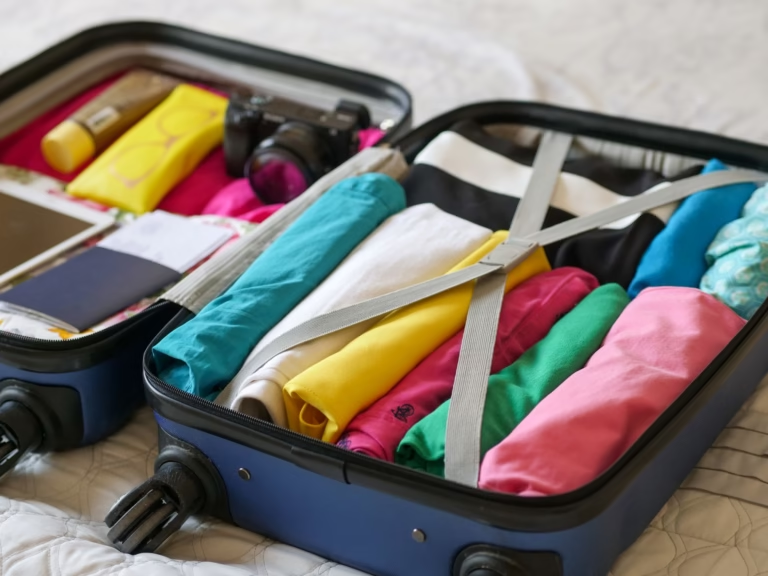
Essential items include comfortable clothing, swimwear, sunscreen, personal toiletries, and any necessary sailing gear. Don’t forget a good camera to capture your adventures!
How much does it cost to go sailing?
Costs can vary widely depending on the location, type of boat, and duration of your trip. Budgeting for rentals, fuel, food, and excursions is essential for a successful sailing adventure.
The Bottom Line
The world’s best sailing adventures offer a wealth of experiences, from exploring idyllic islands to embracing the thrill of the open sea. With proper planning, safety measures, and a spirit of adventure, you can create unforgettable memories as you navigate the waters of some of the most beautiful destinations on Earth.
Visa rules, prices and opening times change. Always confirm details with official sources before you travel.