Exploring the Indie Campers Marketplace: A Practical Guide
Discover the indie campers marketplace: a comprehensive guide on options, tips, and trends for adventurous travelers seeking unique camper experiences.
The indie campers marketplace has emerged as a vibrant and diverse option for adventure seekers and travel enthusiasts. This marketplace provides an alternative way to explore the great outdoors, offering a unique blend of mobility, comfort, and creativity. Whether you’re looking to rent a quirky camper for a weekend getaway or contemplating a purchase to fulfill your wanderlust, understanding the ins and outs of this marketplace is essential.
This guide will walk you through the various aspects of the indie campers marketplace, from the platforms available to the benefits and challenges of camper life. We’ll also share practical tips to enhance your camping experience and answer common questions that arise in this exciting world of indie campers.
As the demand for unique travel experiences grows, so does the variety of options available in the indie campers marketplace. This guide aims to equip you with the knowledge you need to make informed decisions, whether you’re a seasoned camper or a first-timer.
What is the Indie Campers Marketplace?
The indie campers marketplace refers to platforms and services that facilitate the buying, selling, renting, or sharing of camper vans and RVs. Unlike traditional rental companies, indie campers often feature unique, creatively designed vehicles that reflect the owner’s personality and style. Here are some key features of this marketplace:
- Variety: The marketplace offers a diverse range of campers, from retro vans to modern designs, catering to various tastes and preferences.
- Community: Indie campers often foster a sense of community among owners and renters, encouraging shared experiences and recommendations.
- Flexibility: Many platforms allow users to customize their rentals with additional features or amenities, making the camper more suitable for their specific needs.
Popular platforms in the indie campers marketplace include Outdoorsy, RVshare, and Campers4Rent, each with its own unique offerings and community. These platforms connect owners with potential renters, simplifying the process of finding and booking a camper.
Benefits of Renting or Buying an Indie Camper
Choosing to rent or buy from the indie campers marketplace comes with several advantages. Here are some key benefits:
Unique Experience
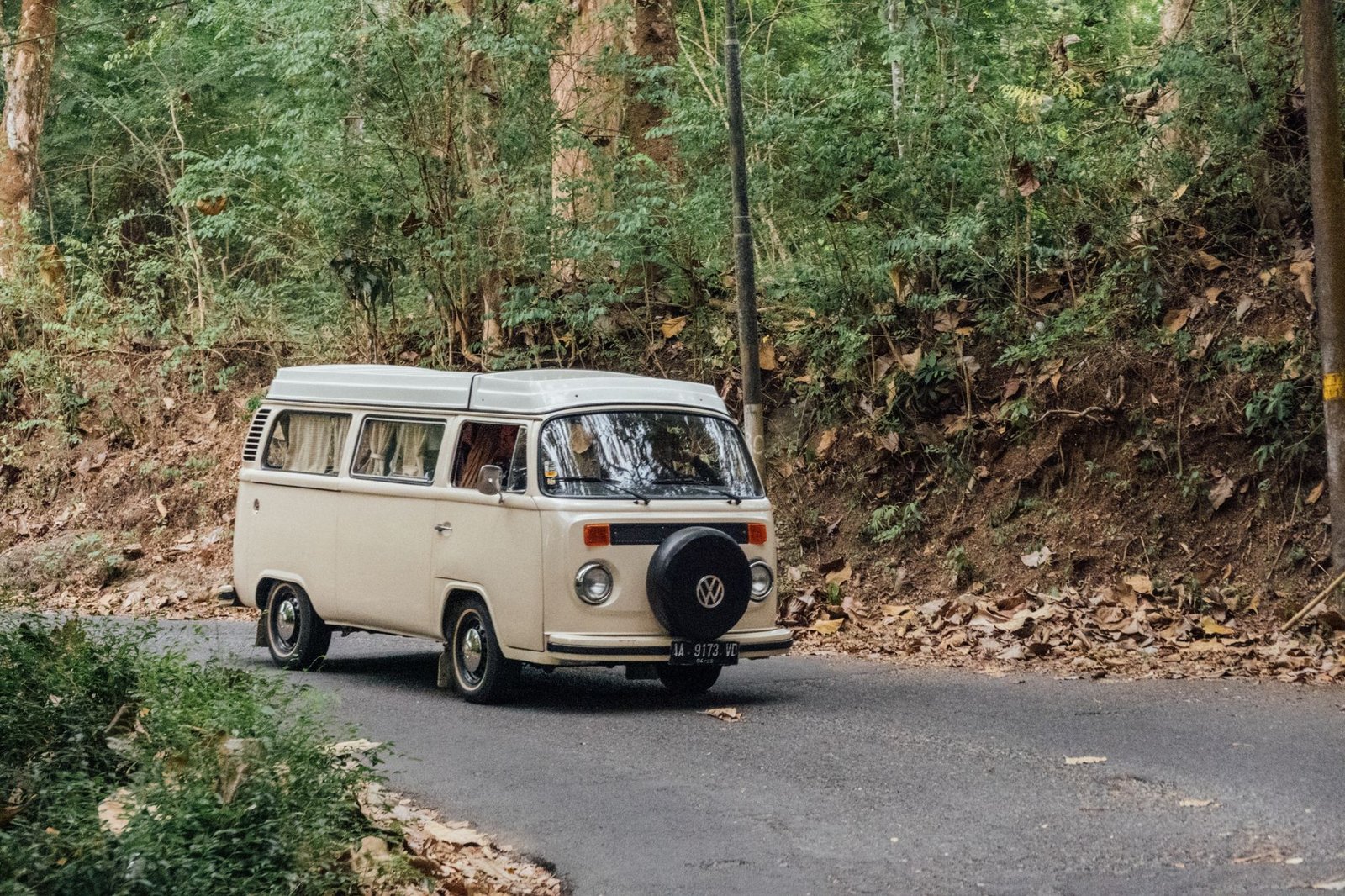
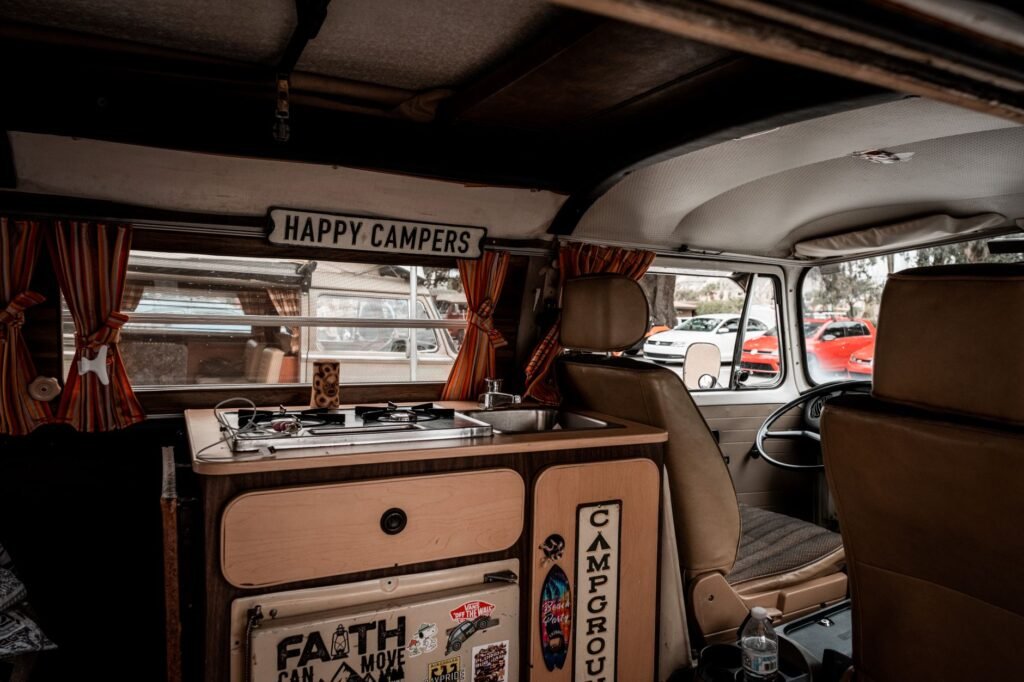
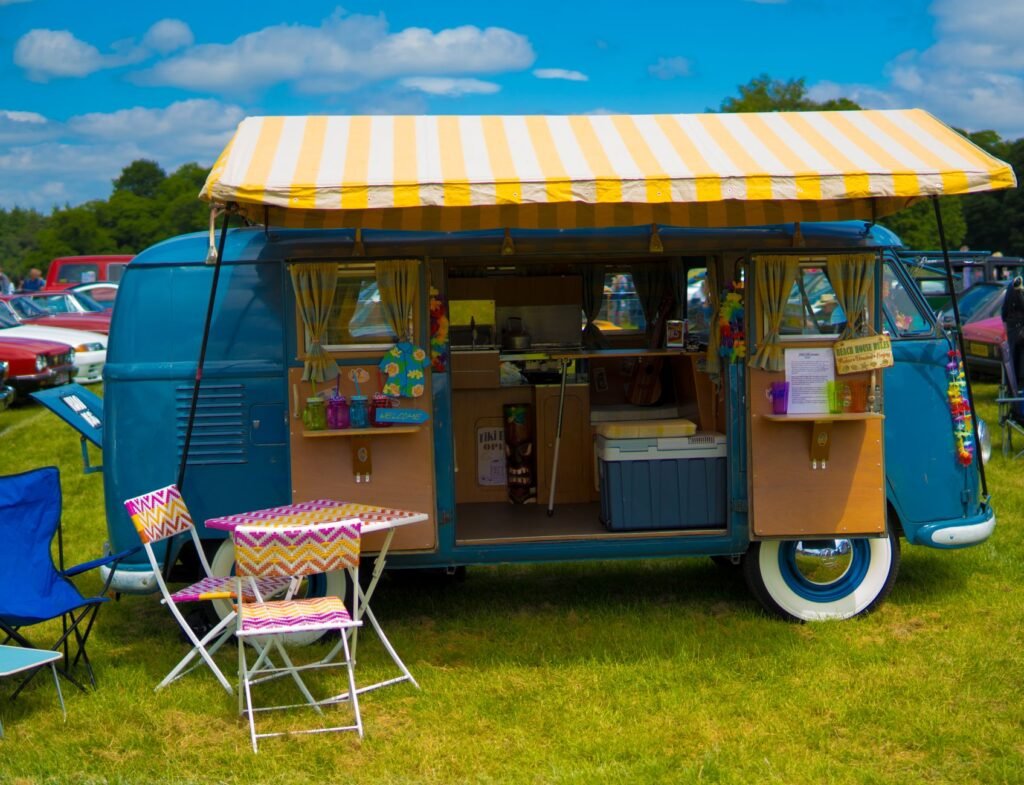
Renting or owning an indie camper allows travelers to enjoy a unique experience that standard hotels and resorts cannot offer. Each camper tells a story through its design and setup, inviting travelers to connect with their surroundings in a more profound way. For example, an artistically painted vintage VW van can transform a simple camping trip into an adventure filled with creativity and inspiration.
Cost-Effective Travel
Traveling with an indie camper can also be more cost-effective compared to traditional accommodations. Campers provide the flexibility to park and sleep in various locations, often reducing accommodation expenses. Additionally, many campers come equipped with kitchens, allowing travelers to save money by cooking their own meals instead of dining out.
Community and Connection
The indie campers marketplace fosters a sense of community among users. Many platforms encourage renters to share their experiences, tips, and itineraries, creating a valuable resource for future travelers. Moreover, renting from an individual owner often means you can access local knowledge and recommendations that enhance your trip.

Choosing the Right Platform
With numerous platforms available, selecting the right one for your needs can be challenging. Here are some popular options and their features:
Outdoorsy
Outdoorsy is one of the leading platforms in the indie campers marketplace. It offers a wide range of camper options, including RVs, trailers, and converted vans. Users can browse listings by location, price, and amenities, making it easy to find the perfect camper for their trip.
RVshare
RVshare is another popular platform that connects RV owners with renters. It provides a user-friendly interface and a variety of options, including traditional RVs and unique campers. RVshare also offers insurance coverage for peace of mind during your rental period.
Campervan Finder
Focusing specifically on campervans, Campervan Finder allows users to compare different models and prices quickly. This platform is ideal for those who prefer the compact and maneuverable nature of campervans over larger RVs.
Practical Tips for a Successful Camper Experience
Having a successful camping experience requires careful planning and consideration. Here are some practical tips to ensure your adventure goes smoothly:
Plan Your Route
Before hitting the road, plan your route and identify key stops along the way. This includes researching campgrounds, rest areas, and attractions that align with your interests. Using mapping apps can help you visualize your journey and make adjustments as needed.
Pack Wisely
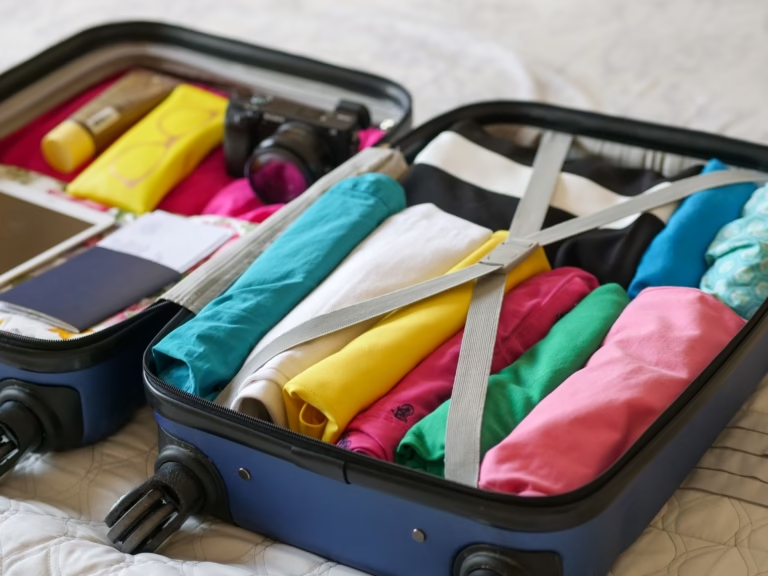
When packing for a camper trip, consider the limited space and amenities available. Create a checklist of essentials, including cooking supplies, bedding, personal items, and outdoor gear. Remember to pack light and prioritize items that will enhance your comfort and enjoyment.
Understand Camper Etiquette
Respecting the environment and fellow campers is crucial for a positive experience. Follow established campground rules, practice Leave No Trace principles, and be courteous to your neighbors. This includes keeping noise levels down and cleaning up after yourself.
Understanding the Types of Indie Campers Available
1. Class A Campers
Class A campers are the largest and often the most luxurious type of motorhome available in the Indie Campers marketplace. They are built on a bus chassis and offer spacious interiors with a full range of amenities. Renters or buyers can expect features such as full kitchens, large bathrooms, and comfortable living areas. These campers are ideal for longer trips where comfort is a priority.
- Spacious living areas
- Full kitchen facilities
- Separate bedrooms
- High-end entertainment systems
However, Class A campers can be challenging to maneuver in tight spaces and often require a special driving license due to their size. They are best suited for experienced drivers or those who are comfortable with larger vehicles.
2. Class B Campers
Class B campers, also known as camper vans, are compact and versatile. They offer a balance of comfort and mobility, making them an excellent choice for solo travelers or couples looking to explore urban areas and national parks alike. These campers are easy to drive and park, making them suitable for those new to the camper lifestyle.
- Compact size for easier maneuverability
- Usually equipped with a kitchen and sleeping area
- Ideal for urban exploration
- Good fuel efficiency
While Class B campers provide less space compared to Class A, they come equipped with essential amenities. Many models offer pop-up roofs for extra headroom, making them a versatile option for both short getaways and extended trips.
3. Class C Campers
Class C campers are identified by their distinctive over-cab sleeping area, making them a popular choice for families. They typically offer more space than Class B campers while being easier to drive than Class A. Class C campers strike a balance between comfort and convenience, often featuring a kitchen, bathroom, and multiple sleeping areas.
- Over-cab sleeping area for additional space
- Family-friendly layout
- Good mix of comfort and drivability
- More affordable than Class A models
This type of camper is ideal for those traveling with children or groups, as they can comfortably accommodate multiple passengers. They also provide a good amount of storage space, making them suitable for longer trips.
Financial Considerations When Using Indie Campers
1. Rental Costs and Budgeting
Understanding the costs associated with renting or buying an Indie camper is essential for effective budgeting. Rental prices can vary widely based on the type of camper, the season, and the rental duration. Typically, rental costs can range from $50 to several hundred dollars per night, depending on the camper’s size and amenities.
- Class A: $150 – $300+ per night
- Class B: $75 – $200 per night
- Class C: $100 – $250 per night
When budgeting, be sure to consider additional expenses such as fuel, campground fees, and insurance. Many rental companies offer insurance packages that can provide peace of mind but should be factored into the total cost.
2. Financing Options for Buying an Indie Camper
If you’re considering purchasing an Indie camper, exploring financing options is crucial. Many buyers opt for loans specifically designed for recreational vehicles. Credit unions and banks often offer competitive rates for RV loans, which can help spread the cost over several years.
- Secured loans with lower interest rates
- Unsecured loans with higher rates
- Home equity loans as an alternative option
Additionally, check for any available promotions or financing options directly through Indie Campers or affiliated dealerships. Some may provide special deals that make purchasing more affordable.
3. Maintenance and Operational Costs
Beyond the initial purchase or rental fee, it’s important to understand the ongoing maintenance costs associated with owning an Indie camper. Regular maintenance is essential to ensure the vehicle runs smoothly and remains safe for travel. This includes oil changes, inspections, and tire maintenance.
- Oil changes every 5,000 to 7,500 miles
- Regular tire rotations
- Inspection of the water system and appliances
- Cleaning and upkeep of the exterior
Operational costs also include fuel, which can be significant depending on the camper’s size and how much you plan to travel. Keeping an eye on these expenses can help you maintain a realistic budget while enjoying the freedom of the road.

Planning Your Road Trip with Indie Campers
1. Route Planning and Navigation
When planning a road trip with an Indie camper, route planning is crucial for a smooth experience. Consider using navigation apps specifically designed for RVs and campers, which account for vehicle size and restrictions on certain roads. Popular apps include RV Life and Campendium, which provide valuable information on routes, campgrounds, and points of interest.
- Check for height and weight restrictions
- Plan fuel stops based on camper mileage
- Identify campgrounds along the route
Additionally, researching scenic byways or off-the-beaten-path destinations can enhance your travel experience. Planning breaks and overnight stops will also help reduce fatigue and keep the journey enjoyable.
2. Essential Gear for Your Indie Camper Adventure
Packing the right gear can significantly enhance your camper experience. Essential items include cooking equipment, bedding, and outdoor gear tailored to your activities. Here’s a list of must-have items to consider taking along:
- Cooking utensils and pots
- Camping chairs and table
- Outdoor grill or portable stove
- First aid kit
- Flashlights and portable chargers
Investing in quality equipment can make your experience more enjoyable. Additionally, check if the camper rental comes with any included accessories, which can save you from overpacking.
3. Safety Tips for Your Road Trip
Safety should always be a priority when traveling in an Indie camper. Before hitting the road, conduct a thorough safety check of the vehicle, ensuring that all systems are functioning properly. Here are some safety considerations to keep in mind:
- Inspect tires for proper inflation and tread wear
- Test brakes and lights before departure
- Ensure that fire extinguishers are accessible
- Familiarize yourself with emergency procedures
Moreover, staying informed about the weather and road conditions can help you avoid hazardous situations. Always keep a backup plan for your route in case of unexpected detours or closures.
Frequently Asked Questions
What types of campers are available in the indie marketplace?
The indie campers marketplace includes a variety of options such as vintage vans, converted buses, camper trailers, and modern RVs. Each type offers distinct features and benefits tailored to different preferences.
How much does it cost to rent an indie camper?
Rental prices vary greatly depending on the type of camper, rental duration, and location. On average, you can expect to pay anywhere from $50 to $300 per night, with additional fees for mileage, insurance, and cleaning.
Can I take an indie camper off-road?
Not all campers are designed for off-road use. Before venturing onto rugged terrain, check the specifications and limitations of your rental. Some platforms may offer off-road-capable campers, but it’s essential to ensure that you have the appropriate driving skills and experience.
Is insurance included in the rental?
Most rental platforms offer insurance options, but coverage policies can vary. It’s important to thoroughly review the terms and conditions and consider purchasing additional coverage if necessary for peace of mind while traveling.
The Bottom Line
The indie campers marketplace presents an exciting opportunity for travelers seeking unique experiences on the road. With a variety of platforms available, multiple camper options, and a growing community of like-minded adventurers, this marketplace encourages exploration and creativity. By understanding the benefits, practical tips, and common questions associated with indie campers, you can embark on a memorable journey that reflects your personal style and adventurous spirit.
Visa rules, prices and opening times change. Always confirm details with official sources before you travel.