Explore the Kalahari: A Guide to Southern Africa’s Jewel
Discover the Kalahari Desert with our guide to the Kalahari, Southern Africa, covering travel tips, wildlife, and cultural experiences.
The Kalahari Desert, often misunderstood as a true desert, is a vast semi-arid sandy savanna. It spans across Botswana, Namibia, and South Africa, encompassing an area of approximately 900,000 square kilometers. The region is home to diverse ecosystems, unique wildlife, and rich cultural heritage, making it a fascinating destination for travelers. This guide aims to provide practical insights into experiencing the Kalahari, from planning your visit to activities you can enjoy.
Many travelers are drawn to the Kalahari for its remarkable landscapes and the chance to witness wildlife in their natural habitat. The desert is not just a barren land; it is teeming with life, especially during the rainy season when the landscape transforms into a vibrant spectacle. Understanding the best times to visit, what to pack, and the activities available will enhance your experience.
This guide will delve into essential aspects of visiting the Kalahari Desert, including its geography, wildlife, cultural significance, practical travel tips, and safety considerations. Whether you’re a seasoned traveler or a first-time visitor, you’ll find valuable information to make your journey memorable.
Geography and Climate
The Kalahari Desert is characterized by its red sands, scattered vegetation, and occasional salt pans. Despite its name, the Kalahari is not a true desert, as it receives an average annual rainfall of 250 to 500 millimeters, primarily during the summer months from November to March. This rainfall supports a surprising variety of flora and fauna.
Temperature fluctuations are extreme in the Kalahari. Summers can see daytime temperatures soar above 40°C (104°F), while winter nights can drop below freezing. Understanding this climate variability is crucial for planning your trip.
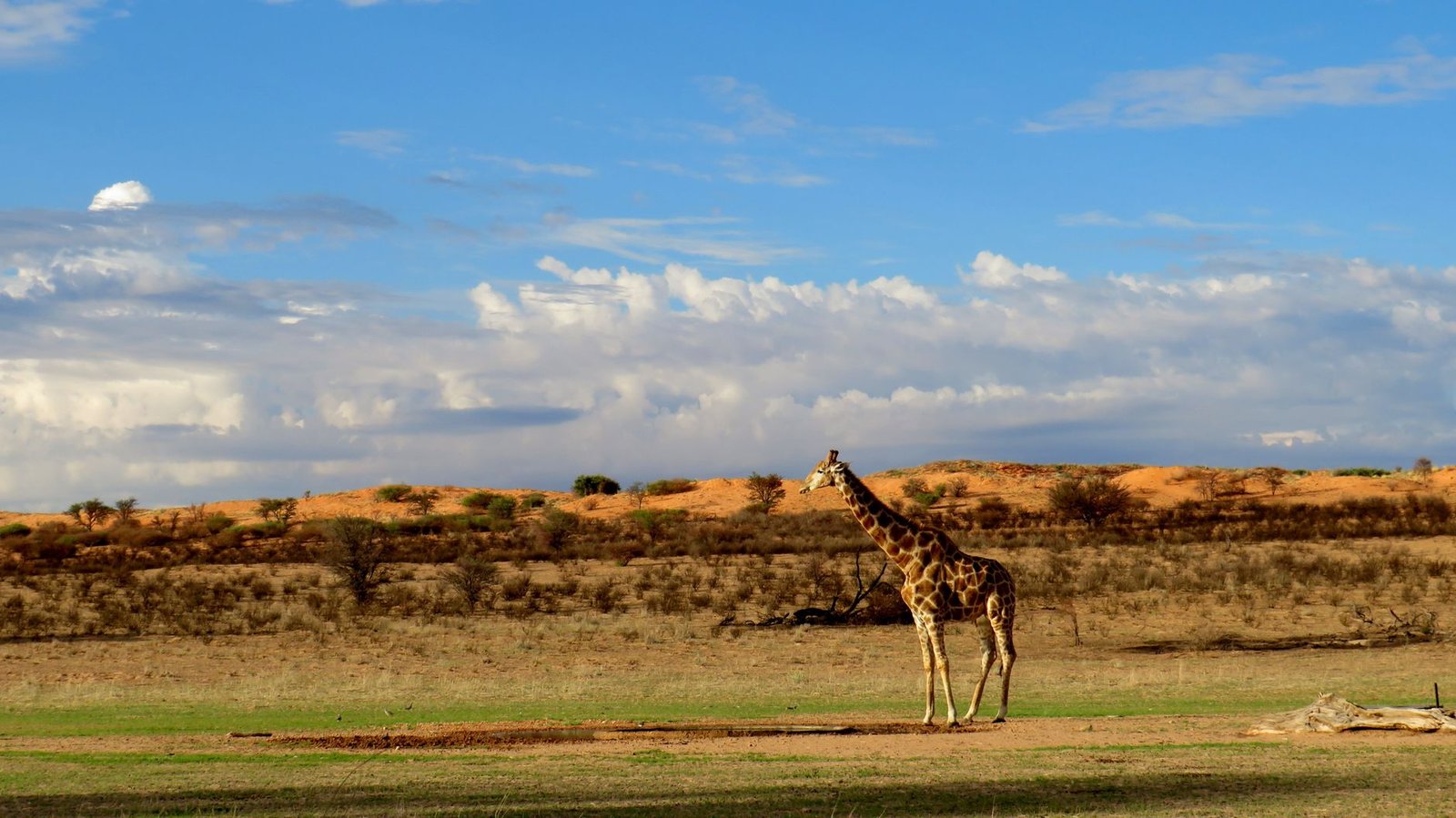
When visiting the Kalahari, it’s important to note that the landscape varies significantly. Areas like the Central Kalahari Game Reserve feature open grasslands and large pans that attract wildlife, while regions closer to the southern borders are marked by dunes and sparse vegetation. Each area offers unique opportunities for exploration.

Wildlife and Nature
The Kalahari is home to a diverse array of wildlife, making it a prime location for safaris. You can encounter species such as lions, leopards, cheetahs, elephants, and a variety of antelope. Birdwatchers will also enjoy the region, which hosts over 250 bird species, including the colorful lilac-breasted roller and the majestic African fish eagle.
One of the most remarkable aspects of the Kalahari is its seasonal wildlife migrations. During the rainy season, animals move toward areas with abundant water and food, creating spectacular sights for visitors. The best time to see wildlife in action is during the dry season from May to October, when animals gather around water sources, making them easier to spot.
Conservation efforts are crucial in the Kalahari, as many species face threats from poaching and habitat loss. Engaging with responsible tour operators who prioritize sustainable practices can enhance your experience while contributing positively to the preservation of this unique ecosystem.
Cultural Significance
The Kalahari Desert is home to the San people, one of the oldest continuous cultures in the world. Known for their profound connection to the land, the San have lived in harmony with nature for thousands of years. They possess extensive knowledge of the environment, including edible plants and animal behaviors.
Visitors to the Kalahari can engage in cultural tours that offer insights into the traditional lifestyles of the San people. These experiences may include guided walks where you can learn about their hunting techniques, medicinal plants, and survival skills. Participating in cultural exchanges enriches your visit and fosters appreciation for indigenous knowledge.
Moreover, the Kalahari’s cultural landscape is not limited to the San. Various ethnic groups, including the Tswana and Herero, also inhabit the region, each contributing to the rich tapestry of cultures found in Southern Africa. Engaging with these communities can provide a deeper understanding of the local customs and traditions.

Traveling to the Kalahari
Accessing the Kalahari Desert can be achieved via several routes, depending on your starting point. Major entry points include Maun in Botswana, Windhoek in Namibia, and Upington in South Africa. Each of these cities serves as a gateway to various parts of the Kalahari.
Transport options include renting a 4×4 vehicle, which is recommended for navigating the rugged terrain. Alternatively, guided tours can be arranged through local operators, providing a hassle-free way to explore the desert while benefiting from knowledgeable guides.
When planning your trip, consider the logistics of fuel, food supplies, and accommodation. Many areas in the Kalahari are remote, and facilities may be limited, so preparation is key. Establishing an itinerary that includes essential stops and activities will enhance your adventure.
Best Time to Visit
The best time to visit the Kalahari Desert largely depends on your interests. If you are keen on wildlife viewing, the dry season from May to October is ideal. During this time, animals congregate around scarce water sources, making them easier to observe.
For those interested in experiencing the desert’s transformation, the rainy season from November to March can be mesmerizing. The landscape bursts into life, with vibrant flora and migratory birds appearing. However, be prepared for hot days and cooler nights, as well as potential challenges with muddy roads.
Ultimately, your travel objectives should guide your timing. Whether you seek wildlife encounters or cultural experiences, aligning your visit with the best conditions will enhance your enjoyment of the Kalahari.

Activities in the Kalahari
The Kalahari Desert offers a variety of activities for adventurous travelers. Popular options include:
- Safari Tours: Guided safari tours provide opportunities to see wildlife up close and understand the ecosystem.
- Camping: Experiencing the Kalahari at night, under a blanket of stars, is a memorable adventure. Several campsites offer facilities for a comfortable stay.
- Cultural Experiences: Engage with local communities to learn about their ways of life, traditional crafts, and storytelling.
- Photography: The unique landscapes and wildlife make for stunning photography opportunities, especially during sunrise and sunset.
- Stargazing: The clear skies of the Kalahari provide exceptional stargazing opportunities, making it a paradise for astronomy enthusiasts.
Planning your activities in advance ensures you make the most of your time in this remarkable region.
Safety Tips
While the Kalahari Desert is a beautiful destination, travelers should remain cautious. Here are some essential safety tips:
- Stay Hydrated: The dry climate can lead to dehydration. Always carry sufficient water and drink regularly.
- Travel in Groups: If venturing into remote areas, it is advisable to travel in groups for safety and support.
- Be Aware of Wildlife: When observing wildlife, maintain a safe distance and never approach animals. Follow your guide’s instructions.
- Emergency Contacts: Familiarize yourself with local emergency numbers and the locations of medical facilities.
- Prepare for Conditions: Pack appropriate clothing for the extreme temperature variations, including layers for cooler nights.
Taking these precautions will help ensure a safe and enjoyable trip to the Kalahari.

Accommodation Options in the Kalahari
Luxury Lodges and Camps
The Kalahari offers a range of luxury lodges and camps that provide both comfort and an immersive experience in this unique environment. These accommodations often feature stunning views, exquisite dining, and personalized service.
- San Camp: Located in the Makgadikgadi Pan, this luxurious camp offers both comfort and an authentic experience, with the chance to explore the unique salt pans and surrounding wilderness.
- Wildebeest Kuil Rock Art Centre: This lodge combines luxury with culture, allowing guests to view ancient rock art while enjoying modern amenities.
- Kwando Safaris: Offers a collection of camps in the Kalahari, each providing unique safari experiences and opportunities to explore the region’s wildlife.
Staying at these lodges often includes guided tours, allowing guests to learn about the local flora and fauna from experienced guides.
Mid-Range Accommodation
For travelers seeking a balance between comfort and cost, mid-range accommodations in the Kalahari offer a great option. These lodges typically provide comfortable amenities and knowledgeable staff.
- Desert Quiver Camp: Located near the Namib Desert, this camp features stylish chalets and offers access to various desert activities, including stargazing and nature walks.
- Grootberg Lodge: Nestled on the edge of the Klahari, this lodge provides stunning views of the landscape, along with comfortable rooms and guided tours.
- Okaukuejo Camp: Offers a more rustic experience within Etosha National Park, with basic amenities and opportunities for wildlife viewing at a waterhole.
These accommodations often provide a more intimate experience, allowing guests to connect with the local environment and culture.
Budget-Friendly Options
Travelers on a budget can find a variety of affordable lodging options in the Kalahari. Camping sites and hostels provide a chance to experience the wilderness without breaking the bank.
- Two Rivers Camp: This campsite is perfect for those who want to immerse themselves in nature, with basic facilities and beautiful surroundings.
- Backpackers Hostels: Many towns near the Kalahari have hostels that cater to backpackers, offering dormitory-style accommodations at reasonable rates.
- Self-Catering Cabins: Various locations provide cabins equipped with kitchens, allowing guests to prepare their own meals and save money.
These budget-friendly options allow travelers to spend more on experiences while enjoying the stunning landscapes of the Kalahari.
Local Cuisine and Dining Experiences
Traditional Dishes
The Kalahari region is home to diverse culinary traditions that reflect the rich cultural heritage of its inhabitants. Traditional dishes often incorporate locally sourced ingredients, showcasing the flavors of Southern Africa.
- Biltong: This cured meat snack is a staple in South African cuisine and is made from various types of meat, seasoned and dried to perfection.
- Potjiekos: A traditional stew made in a cast-iron pot, often slow-cooked with a variety of meats and vegetables, creating a hearty and flavorful dish.
- Boerewors: A type of sausage made from minced meat and spices, typically grilled over an open fire for a delicious smoky flavor.
Dining on traditional dishes offers travelers a unique opportunity to connect with the local culture and experience the flavors of the Kalahari.
Dining at Lodges and Camps
Many lodges and camps in the Kalahari offer dining experiences that highlight local ingredients and culinary traditions. Meals are often prepared with a focus on sustainability and seasonality, enhancing the overall experience.
- Bush Dinners: Some camps organize outdoor dining experiences under the stars, providing a magical atmosphere and an opportunity to enjoy traditional dishes.
- Farm-to-Table Menus: Many lodges emphasize local sourcing, creating menus that reflect the region’s produce and flavors.
- Cultural Cooking Classes: Some accommodations offer cooking classes where guests can learn to prepare traditional dishes using local ingredients.
These dining options not only provide nourishment but also enrich the travel experience by immersing guests in the local culture.
Street Food and Local Markets
Exploring local markets and trying street food is an excellent way to experience the Kalahari’s culinary scene. Markets offer a variety of fresh produce, spices, and local delicacies.
- Local Markets: Towns near the Kalahari often hold weekly markets where vendors sell fresh fruits, vegetables, and handmade crafts.
- Street Vendors: Look for food stalls selling traditional snacks like vetkoek (fried dough) or koeksisters (sweet syrup-soaked pastries).
- Food Festivals: Some regions host annual food festivals celebrating local cuisine, featuring cooking demonstrations, tastings, and local music.
Sampling street food and visiting markets allows travelers to taste authentic flavors and engage with the local community.

Conservation Efforts in the Kalahari
Community-Based Conservation
Community-based conservation is a vital approach in the Kalahari, where local communities actively participate in protecting the environment while benefiting economically from tourism.
- Community Trusts: Many areas have established community trusts that manage natural resources and promote sustainable practices.
- Eco-Tourism Initiatives: Local communities have developed eco-tourism projects that provide jobs and income while conserving wildlife habitats.
- Education Programs: Educational initiatives often focus on raising awareness about conservation and the importance of protecting local ecosystems.
This collaborative approach fosters a sense of stewardship among locals, ensuring the preservation of the Kalahari’s unique environment.
Wildlife Protection Programs
Several organizations work tirelessly to protect the wildlife of the Kalahari. These programs focus on habitat preservation, anti-poaching efforts, and research.
- Anti-Poaching Units: Many regions employ anti-poaching units to safeguard endangered species and their habitats.
- Wildlife Rehabilitation Centers: Facilities that care for injured or orphaned animals, providing them with a chance to return to the wild.
- Research Projects: Collaboration between researchers and local communities helps gather data on wildlife populations and their behavior.
These initiatives play a crucial role in maintaining the biodiversity of the region and ensuring that future generations can experience the wildlife of the Kalahari.
Supporting Sustainable Practices
Travelers can contribute to conservation efforts by supporting sustainable practices during their visit. This includes making environmentally conscious choices and promoting responsible tourism.
- Choose Eco-Friendly Tours: Opt for tours that prioritize sustainability and conservation, such as those led by local guides.
- Reduce Plastic Use: Bring reusable water bottles and bags to minimize waste during your travels.
- Volunteer Opportunities: Consider participating in volunteer programs that support wildlife conservation and community development.
By making informed choices, travelers can help protect the Kalahari’s natural beauty and support the communities that depend on it.
Frequently Asked Questions
What animals can I see in the Kalahari?
The Kalahari is home to various wildlife, including lions, leopards, elephants, and numerous antelope species. Birdwatchers can also spot over 250 bird species.
How do I get to the Kalahari Desert?
You can access the Kalahari via major cities like Maun, Windhoek, or Upington. Renting a 4×4 vehicle or joining guided tours is recommended for exploring the area.
What is the best time to visit the Kalahari?
The ideal time for wildlife viewing is during the dry season from May to October. For a vibrant landscape, visit during the rainy season from November to March.
Are there accommodations in the Kalahari?
Yes, there are various accommodations ranging from luxury lodges to camping facilities. It’s advisable to book in advance, especially during peak seasons.
The Bottom Line
The Kalahari Desert is a captivating destination with its unique landscapes, diverse wildlife, and rich cultural heritage. By planning your visit thoughtfully and considering the best times to go, you can create a memorable experience that showcases the beauty and complexity of Southern Africa. Whether you’re interested in adventure, wildlife, or culture, the Kalahari has something to offer every traveler.
Visa rules, prices and opening times change. Always confirm details with official sources before you travel.