Croatia Outdoor Adventures: Thrilling Activities Await
Explore Croatia outdoor adventures, from hiking to water sports, and discover thrilling activities set against stunning landscapes.
Croatia is a treasure trove for outdoor enthusiasts, combining stunning landscapes with a variety of thrilling activities. From the rugged mountains to the crystal-clear Adriatic Sea, the country offers a wide array of adventures that cater to both adrenaline seekers and nature lovers. This guide will explore the best outdoor adventures Croatia has to offer, providing practical tips on how to make the most of your experience.
The allure of Croatia’s natural beauty is undeniable. The country’s diverse geography includes majestic mountains, pristine lakes, and a long coastline dotted with charming islands. Enthusiasts can enjoy hiking, cycling, kayaking, and more, all while taking in breathtaking views. As you plan your adventure, consider the best times to visit and how to navigate the various regions, ensuring a fulfilling outdoor experience.
Whether you’re an experienced adventurer or a casual traveler looking to enjoy the great outdoors, Croatia has something for everyone. This guide will provide insights into popular activities, necessary preparations, and safety tips to ensure a memorable outdoor adventure.
Hiking in Croatia
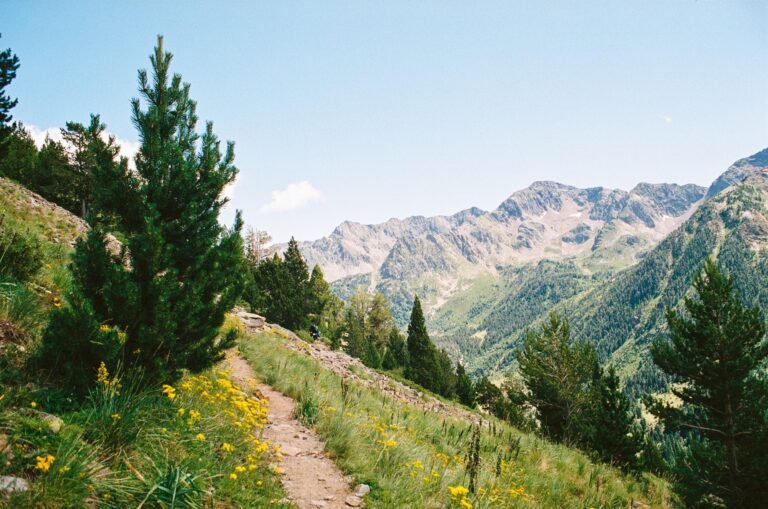
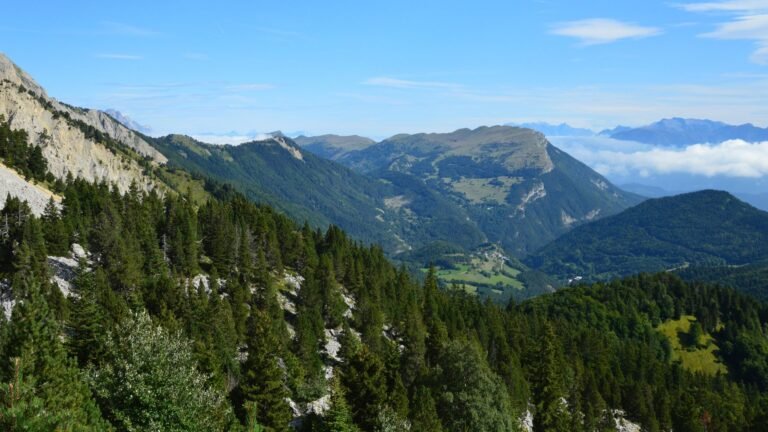
Croatia’s hiking trails are among the most scenic in Europe, offering routes that range from leisurely walks to challenging treks. The best-known areas for hiking include:
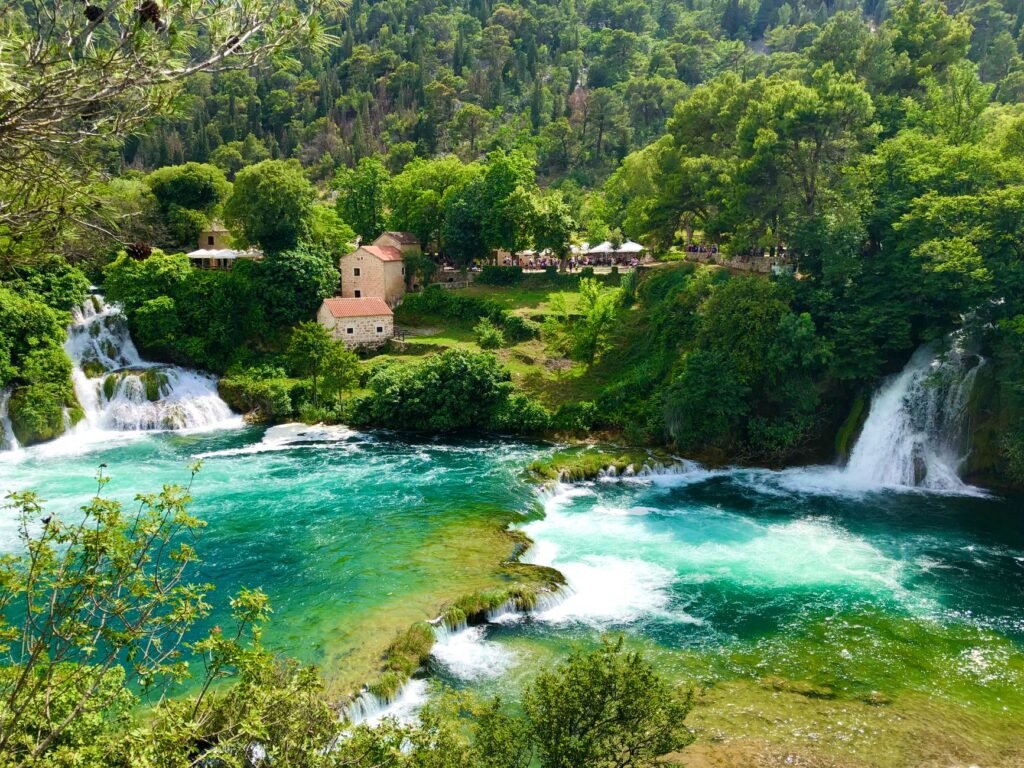
- Plitvice Lakes National Park: Famous for its cascading lakes and waterfalls, this UNESCO World Heritage site offers a network of well-marked trails. Hikers can choose from several routes, with paths that lead through lush forests and alongside turquoise waters.
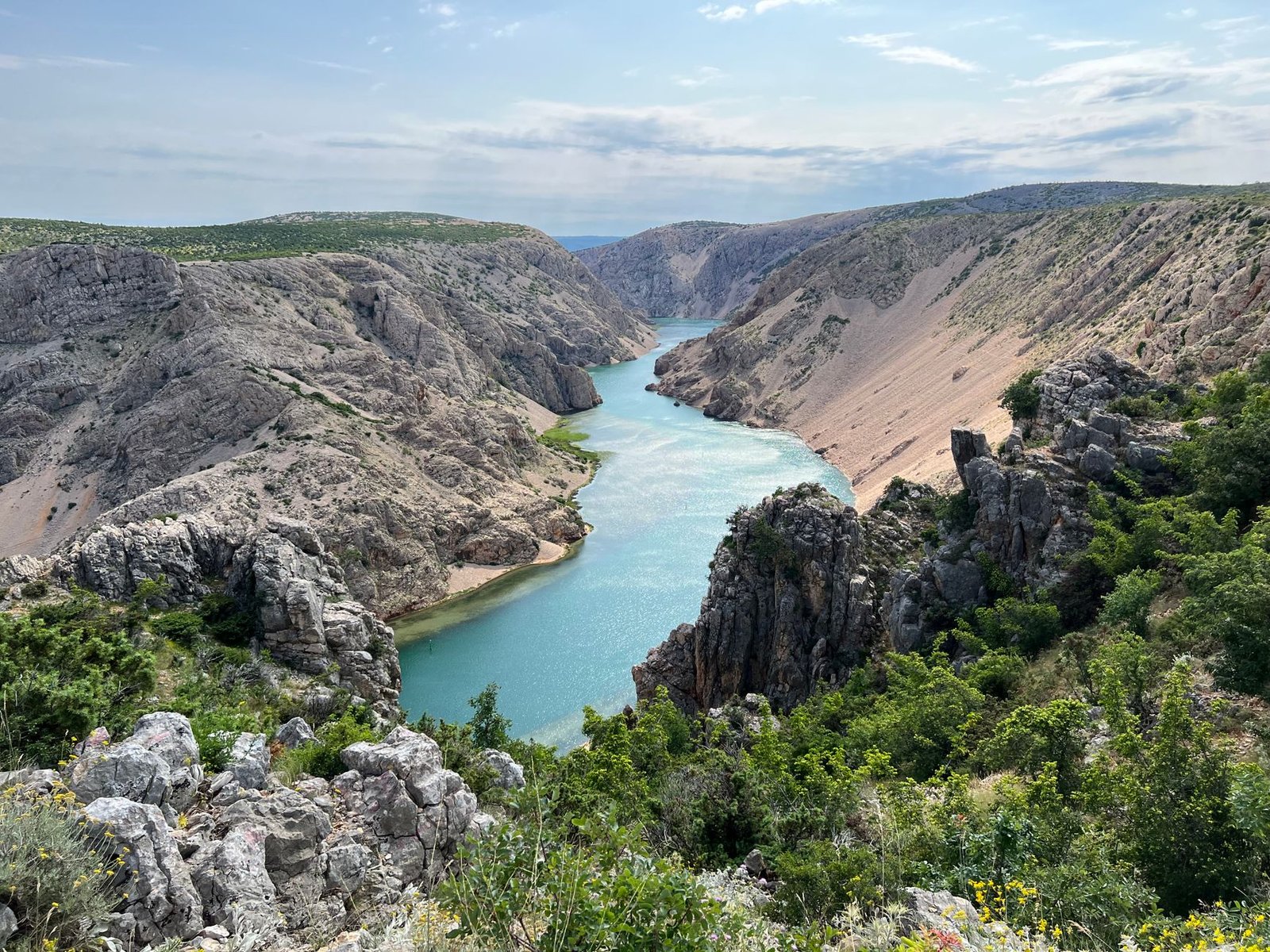
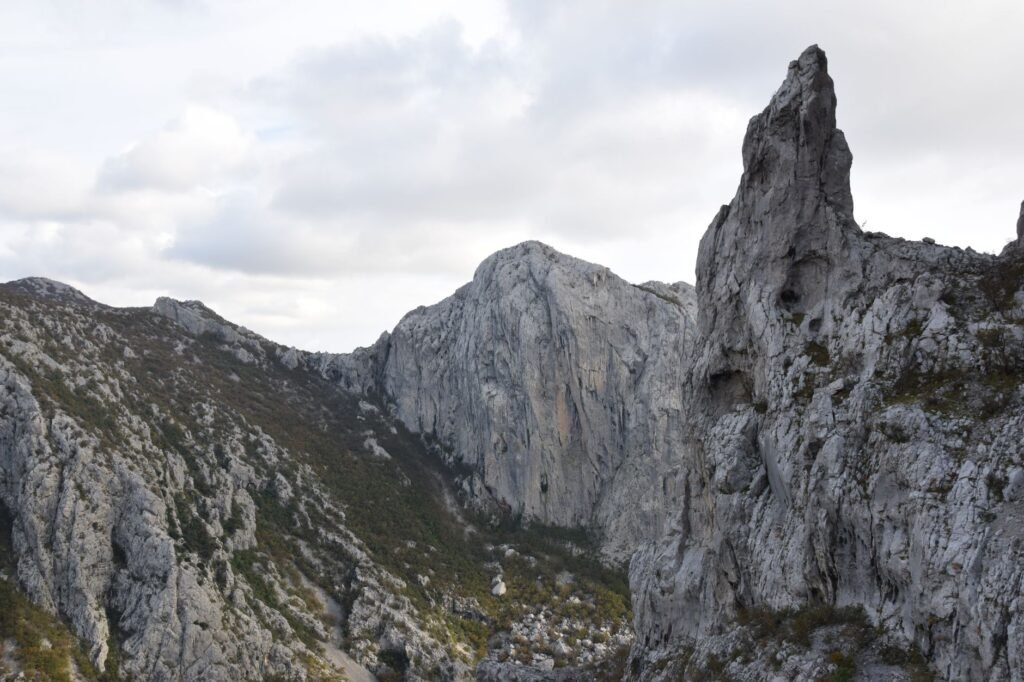
- Paklenica National Park: Situated in the Velebit mountain range, Paklenica is a paradise for serious hikers and climbers. The park features dramatic canyons and a variety of trails that cater to different skill levels, making it an ideal destination for those seeking adventure.
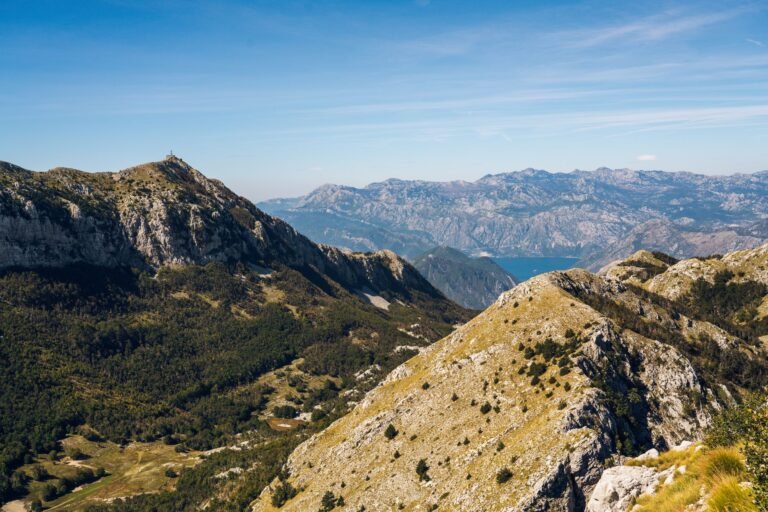
- Biokovo Nature Park: Known for its stunning views of the Adriatic Sea, Biokovo offers an extensive network of trails. Hikers can enjoy panoramic vistas and diverse flora and fauna as they explore the rugged terrain.
Before heading out, it’s essential to prepare adequately. Ensure you have the right gear, including sturdy hiking boots, a map or GPS device, and sufficient water. It’s also wise to check the weather forecast and inform someone about your hiking plans.
Best Time for Hiking
The best time for hiking in Croatia typically falls between late spring and early autumn, from May to October. During these months, the weather is generally mild and pleasant, making it ideal for long hikes. Summer can get quite hot, especially in the coastal regions, so early morning or late afternoon hikes are recommended to avoid the heat.
Water Sports along the Adriatic Coast
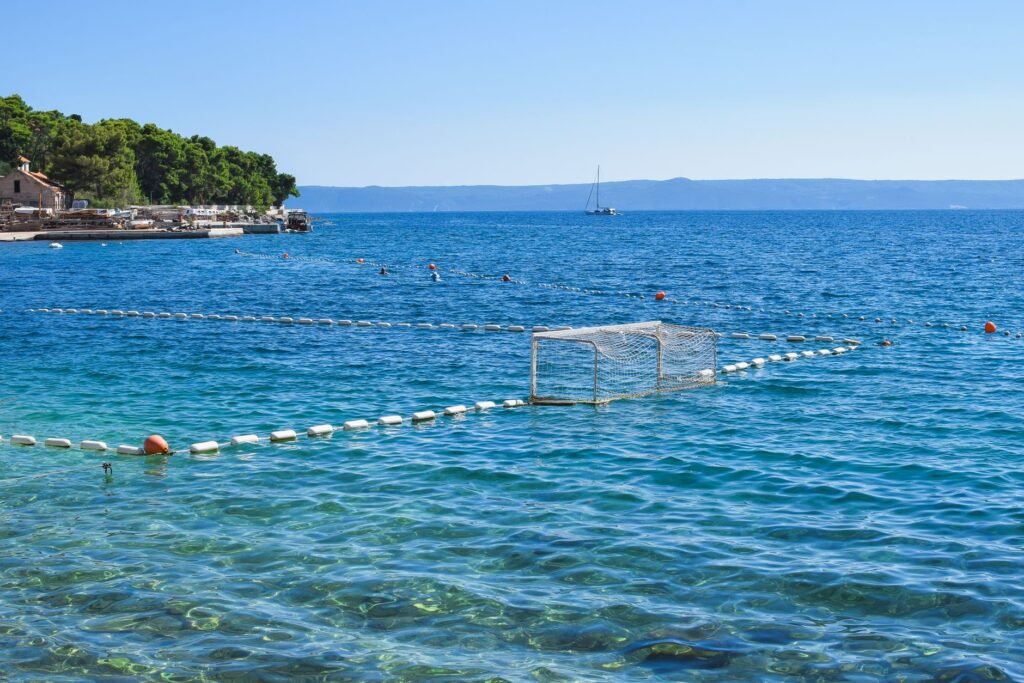
The Adriatic Sea is a playground for water sports enthusiasts. From kayaking to windsurfing, the crystal-clear waters provide the perfect backdrop for a range of activities. Some popular water sports include:
- Kayaking: Explore the hidden coves and islands of Croatia by kayak. Popular spots include the islands of Hvar and Korčula, where guided tours are available for various skill levels.
- Snorkeling and Diving: The underwater world of the Adriatic is teeming with marine life. Numerous dive centers offer courses and guided dives, particularly around the islands and national parks.
- Windsurfing and Kitesurfing: The coastal town of Bol on Brač Island is known for its excellent wind conditions, making it a favored destination for windsurfing and kitesurfing.
Many of these activities can be enjoyed as part of guided tours or rentals available in coastal towns. It’s essential to assess your skill level and choose the right activity accordingly, especially for more demanding sports like diving or kitesurfing.
Safety Tips for Water Sports
Safety should always be a priority when engaging in water sports. Before setting out, consider the following tips:
- Always wear a life jacket when kayaking or paddleboarding.
- Check weather conditions and be cautious of strong currents.
- Ensure you are familiar with equipment and safety protocols when diving or snorkeling.
Cycling Adventures
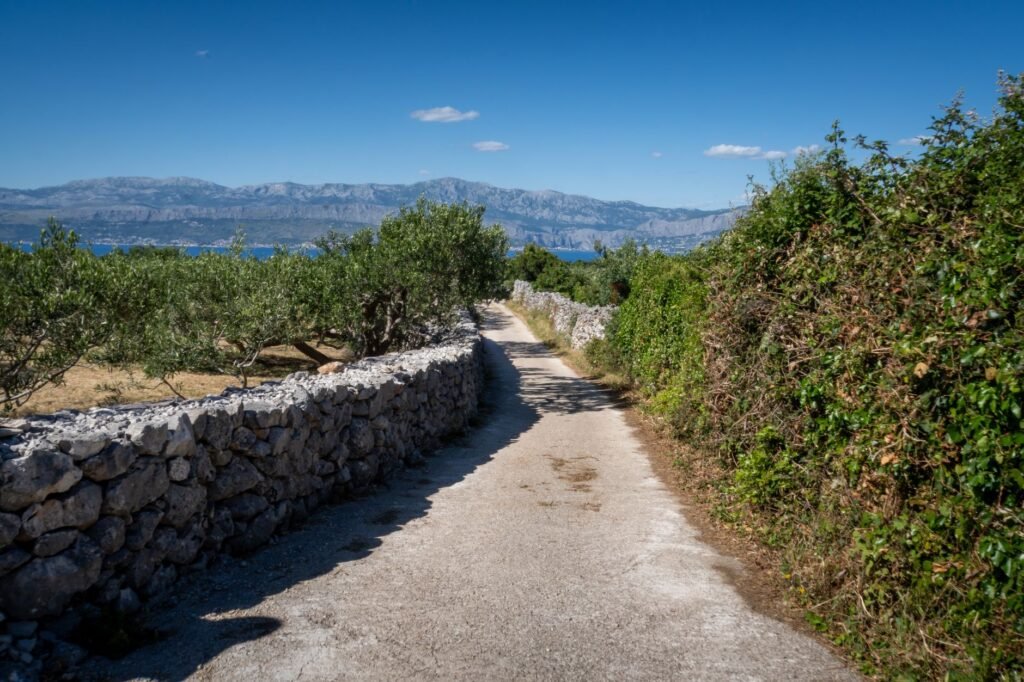
Cycling is another fantastic way to explore Croatia’s diverse landscapes. The country boasts numerous cycling routes, ranging from leisurely rides along the coast to challenging mountain trails. Notable cycling regions include:
- Istria: This picturesque region is known for its rolling hills and charming villages. The Parenzana Trail, a former railway line, is a popular route for cyclists of all levels.
- Dalmatian Coast: Coastal routes offer stunning views of the sea and islands. The route from Split to Dubrovnik is particularly scenic, with several stops at beautiful beaches and towns along the way.
- Velebit Mountain Range: For those seeking a challenge, the Velebit region offers demanding climbs and rewarding views. Trails vary in difficulty, making it suitable for experienced cyclists.
Many towns offer bike rentals and guided tours, making it easy for travelers to enjoy cycling without needing to bring their own bikes. When cycling in rural areas, be mindful of traffic and always wear a helmet.
Rental Options and Costs
Bike rental prices vary depending on the location and the type of bike. On average, expect to pay around €15-€30 per day for a standard mountain bike. Electric bikes are also available for those looking for an easier ride, typically costing between €25-€50 per day. Guided cycling tours may have additional fees but often include bike rental and equipment.
Rock Climbing and Adventure Sports
Croatia’s rugged landscapes make it an ideal destination for rock climbing enthusiasts. The country features several world-renowned climbing spots, including:
- Paklenica National Park: This park is famous for its limestone cliffs and offers over 400 climbing routes suitable for various skill levels.
- Omis: Located near Split, Omis features stunning sea cliffs and various climbing routes, making it a popular destination for climbers.
- Vis: The island of Vis has several climbing spots that offer spectacular views of the Adriatic Sea.
For those new to climbing, several companies offer guided climbing experiences, ensuring safety and instruction. Always check the weather conditions before climbing, and ensure you have the necessary equipment.
Essential Gear for Climbing
Essential climbing gear includes:
– Climbing shoes
– Harness
– Chalk bag
– Helmet
– Belay device
Consider renting equipment from local climbing schools if you do not have your own, as they often provide everything needed for a safe climbing experience.
National Parks and Nature Reserves
Croatia is home to eight national parks and numerous nature reserves, each offering unique landscapes and outdoor activities. Key parks include:
- Krka National Park: Known for its stunning waterfalls, Krka offers walking trails and opportunities for swimming in designated areas.
- Risnjak National Park: Located in the mountainous region of Gorski Kotar, this park features diverse wildlife and hiking trails with breathtaking views.
- Kornati National Park: An archipelago of 89 islands, Kornati is best explored by boat, with opportunities for snorkeling and hiking on the islands.
Each national park has its own entrance fees, which typically range from €5-€30, depending on the season and the park. Guided tours are also available in many parks, providing insight into the unique ecosystems.
Visiting National Parks: Tips and Regulations
When visiting national parks, consider the following tips:
- Respect wildlife and stay on marked trails to protect the environment.
- Check for any specific regulations or guidelines for each park, as they may vary.
- Bring sufficient water and snacks, especially for longer hikes.
Exploring Croatia’s Caving and Spelunking Opportunities
Popular Caving Destinations
Croatia is home to some of the most fascinating caves in Europe, offering adventurers a chance to explore breathtaking underground landscapes. Among the must-visit sites is the Postojna Cave, renowned for its stunning stalactites and stalagmites. The cave system stretches over 24 kilometers, making it one of the largest and most visited in the world. Visitors can take guided tours that include a train ride through part of the cave, revealing the majestic formations created over millions of years.
Another notable destination is the Škocjan Caves, a UNESCO World Heritage Site. This cave complex features one of the largest known underground canyons, with a river that flows through it. Tours typically cover the main highlights, including the impressive Great Hall and the underground waterfall, providing a unique perspective on the natural wonders of Croatia.
Essential Gear and Safety Tips
When planning a caving adventure in Croatia, it is vital to be prepared. Essential gear includes a sturdy helmet with a headlamp, gloves, and appropriate footwear that offers good traction. Depending on the cave, you may also want to bring extra layers for warmth, as temperatures can drop significantly underground.
- Helmet with headlamp
- Sturdy gloves
- Non-slip boots
- Warm clothing layers
Safety is of utmost importance when exploring caves. Always follow your guide’s instructions, and do not venture off the marked paths. Additionally, it is advisable to check the weather conditions beforehand, as heavy rain can lead to flooding in certain cave systems.
Guided Tours vs. Independent Exploration
While some experienced spelunkers may choose to explore caves independently, many of Croatia’s caves are best enjoyed with a guided tour. Guides not only provide valuable insights into the geological history of the caves but also ensure that visitors stay safe and respect the natural environment. For those who prefer a more adventurous experience, certain companies offer guided spelunking tours that involve rappelling and navigating through less accessible sections of the caves.
For those interested in independent exploration, be sure to research the caves you plan to visit. Some may require permits, and it is important to understand the level of difficulty involved. Always go with a partner, and ensure someone knows your plans and expected return time.
Wildlife Watching and Birdwatching in Croatia
Best Locations for Wildlife Encounters
Croatia’s diverse ecosystems provide an incredible opportunity for wildlife and birdwatching enthusiasts. One of the premier locations for observing wildlife is the Krka National Park, home to various species such as deer, wild boar, and numerous birds, including the rare Dalmatian pelican. The park’s wetlands and lakes make it an ideal habitat for migratory birds, especially during spring and autumn.
Another excellent spot is the Lonjsko Polje Nature Park, which boasts a rich biodiversity, including over 200 bird species. The park is particularly famous for its stork population, and visitors can catch sight of these magnificent birds nesting in the traditional wooden stork nests that dot the landscape.
Birdwatching Tips and Best Times to Visit
For the best birdwatching experience, early morning and late afternoon are prime times to spot a variety of species as they are most active during these hours. Bring binoculars for better visibility and a field guide to help identify different birds. Many local tour operators offer specialized birdwatching tours that can enhance your experience with expert knowledge and access to prime viewing locations.
- Visit Krka National Park and Lonjsko Polje Nature Park
- Bring binoculars and a field guide
- Plan trips during dawn or dusk
- Consider joining a guided birdwatching tour
Responsible Wildlife Observation
While observing wildlife is thrilling, it is essential to practice responsible wildlife observation. Maintain a respectful distance from animals, avoid feeding them, and stick to marked trails to minimize your impact on their natural habitat. Additionally, be mindful of the local regulations regarding wildlife interactions, as some species may be protected by law.
By adhering to these principles, you can enjoy the beauty of Croatia’s wildlife while ensuring that these ecosystems remain intact for future generations of adventurers.
Unique Experiences: Zip Lining and Paragliding
Thrilling Zip Lining Adventures
For those seeking an adrenaline rush, zip lining in Croatia is an exhilarating way to experience the stunning landscapes from a new perspective. One of the most popular zip lining locations is in the vicinity of the Zip Line Croatia near the Cetina River. This zip line offers breathtaking views as you soar above the canyon, providing an unforgettable experience for thrill-seekers.
Another notable zip lining destination is in the Plitvice Lakes area, where zip lining tours allow participants to glide over lush forests and waterfalls. These tours often combine zip lining with hiking, making it a perfect option for adventure enthusiasts who want a full day of outdoor activities.
Paragliding Experiences Over Scenic Landscapes
Paragliding in Croatia offers a unique way to appreciate the country’s natural beauty from the skies. One of the top spots for paragliding is in the town of Omiš, where you can launch from the mountains and glide down towards the Adriatic Sea. The views during the descent are nothing short of spectacular, combining coastal vistas with mountainous backdrops.
- Zip lining near the Cetina River
- Zip lining in Plitvice Lakes area
- Paragliding in Omiš
- Guided paragliding tours available for beginners
Safety and Preparation for Aerial Adventures
Safety is paramount when engaging in zip lining or paragliding. Ensure that you choose reputable companies that follow safety regulations and provide proper equipment. Before your adventure, listen closely to the safety briefing and don’t hesitate to ask questions if you’re unsure about any aspect of the activity.
Additionally, wear comfortable clothing and closed-toe shoes for zip lining, and consider wearing layers if you’re paragliding, as temperatures can vary at different altitudes. Hydration is also important, so be sure to drink water before your adventure. These preparations can help ensure a safe and enjoyable experience while you take in the breathtaking Croatian scenery.
Frequently Asked Questions
What is the best time to visit Croatia for outdoor adventures?
The best time to visit Croatia for outdoor activities is typically between May and October when the weather is warm and suitable for hiking, cycling, and water sports.
Are there guided tours available for outdoor activities?
Yes, many companies offer guided tours for hiking, cycling, kayaking, and other outdoor activities throughout Croatia, suitable for various skill levels.
What should I pack for outdoor adventures in Croatia?
Pack breathable clothing, sturdy footwear, a reusable water bottle, sunscreen, and any specific gear for your chosen activity (e.g., climbing equipment, snorkeling gear).
Is it safe to hike and bike in Croatia?
Yes, hiking and biking are generally safe in Croatia, provided you follow local guidelines, stay on marked trails, and take necessary precautions regarding equipment and safety.
The Bottom Line
Croatia offers a wealth of outdoor adventures, from hiking picturesque trails to engaging in thrilling water sports. With its stunning landscapes, diverse activities, and well-maintained national parks, outdoor enthusiasts will find plenty to explore. Whether you’re kayaking in the Adriatic, cycling through Istria, or climbing the cliffs of Paklenica, Croatia promises memorable experiences surrounded by nature.
Visa rules, prices and opening times change. Always confirm details with official sources before you travel.