Exploring Kruger National Park: Your Essential Guide
Discover the best tips and insights for visiting Kruger National Park in South Africa, from wildlife to accommodations and safety advice.
Kruger National Park, one of South Africa’s most iconic wildlife reserves, offers an unparalleled safari experience in a stunning natural setting. Covering nearly 20,000 square kilometers, this park is home to an impressive diversity of flora and fauna, making it a prime destination for wildlife enthusiasts and nature lovers alike. Whether you’re planning your first safari or returning to explore more, this guide will provide you with essential information to make the most of your visit.
As you traverse the park’s varied landscapes, from open savannahs to dense woodlands, you’ll encounter the Big Five, lion, leopard, elephant, buffalo, and rhinoceros, along with countless other species. With multiple entry points, accommodations, and activities available, navigating Kruger can be overwhelming. This guide will help you understand the best times to visit, how to get around, and what to expect during your stay.
Before you embark on your adventure, it’s crucial to familiarize yourself with the park’s rules, safety tips, and accommodation options. By preparing ahead, you can ensure a smooth and enjoyable trip to this remarkable destination.
Getting to Kruger National Park
Reaching Kruger National Park is quite straightforward, with several options available depending on your starting point. Most visitors arrive via air travel into one of the nearby airports, such as Kruger Mpumalanga International Airport (MQP) or Skukuza Airport (SZK). From these airports, rental cars or shuttle services can transport you directly to the park’s entrances.
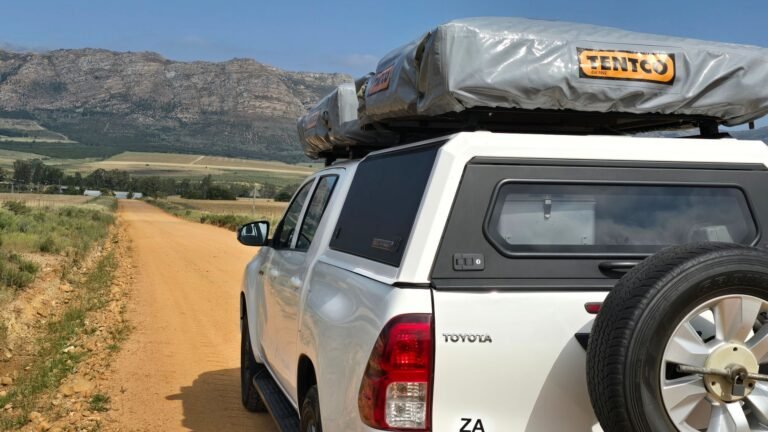
If you prefer to drive, Kruger is easily accessible by road from major cities like Johannesburg and Pretoria. The drive from Johannesburg typically takes around 4 to 5 hours, depending on traffic and road conditions. Major routes include the N4 highway towards Nelspruit, followed by the R40 to Hazyview or the R531 to Phalaborwa.
For those traveling from other regions in South Africa, various tour operators offer guided trips that include transportation, accommodation, and safari activities. This can be a great way to experience the park if you prefer not to self-drive.

Best Time to Visit
The best time to visit Kruger National Park largely depends on what you hope to see and experience during your trip. The dry winter months from May to September are considered the ideal time for wildlife viewing. During this period, animals congregate around water sources, making them easier to spot. Additionally, the cooler temperatures and clearer skies enhance the safari experience.
In contrast, the summer months from October to April bring lush vegetation and abundant rainfall, which can make wildlife viewing more challenging but also offers unique experiences like birdwatching. This period is characterized by the park’s vibrant landscapes, with many animals giving birth to their young.
Ultimately, the best time for your visit will depend on your interests. If you’re keen on photography, the golden light of the winter months may appeal to you. Conversely, if you want to witness the park’s lush beauty and vibrant wildlife, the summer months could be a better choice.
Accommodation Options
Kruger National Park offers a range of accommodation options to suit various budgets and preferences. From luxury lodges to more economical campsites, there is something for everyone.
- Rest Camps: These are the park’s main self-catering facilities, offering a range of bungalows, huts, and campsites. Popular rest camps include Skukuza, Letaba, and Satara, all of which have shops and restaurants.
- Luxury Lodges: For those seeking a more upscale experience, numerous private lodges offer all-inclusive packages with gourmet dining and guided safari tours. Examples include Sabi Sabi and Lion Sands.
- Guest Houses: Located just outside the park, guest houses provide a comfortable alternative for visitors looking for a quieter stay while still being close to the action.
When choosing your accommodation, consider factors such as proximity to the park entrance, available amenities, and the type of experience you desire. Booking in advance is recommended, especially during peak seasons.

Activities in the Park
While game drives are the most popular way to explore Kruger National Park, there are plenty of other activities to enrich your visit. Here are some noteworthy options:
- Guided Walking Safaris: For a more immersive experience, consider joining a guided walking safari. These excursions allow you to explore the park on foot, guided by experienced rangers who share insights about the ecosystem.
- Birdwatching: With over 500 bird species recorded, Kruger is a birdwatcher’s paradise. Bring binoculars and a field guide to spot various species throughout the park.
- Night Drives: Some camps offer night drives that provide a chance to see nocturnal wildlife in action. These drives are typically led by experienced guides and require advance booking.
Each of these activities offers a unique perspective on the park’s wildlife and landscapes, providing opportunities for unforgettable memories.

Safety Tips
While Kruger National Park is a safe destination for tourists, it is essential to follow safety guidelines to ensure a secure and enjoyable visit. Here are some critical tips:
- Stay in Your Vehicle: When on a game drive, always remain inside your vehicle unless you are in a designated area. Wildlife can be unpredictable, and staying in your car provides a safe barrier.
- Follow Park Regulations: Adhere to all park rules and guidelines, including speed limits, and do not approach wildlife.
- Stay Hydrated and Prepared: Bring enough water, snacks, and sun protection, especially during hot months. Ensure that your vehicle is in good condition and equipped with a spare tire.
Being aware of your surroundings and respecting the wildlife will enhance your experience and keep you safe during your visit.

Wildlife Photography: Tips for Capturing the Perfect Shot
Understanding Animal Behavior
To capture stunning wildlife photographs, it’s essential to understand animal behavior. Many animals are most active during the early morning and late afternoon, making these the best times for photography. Observing patterns in their movements can help you position yourself effectively. For example, predators like lions and leopards are often seen hunting at dusk, while herbivores like elephants and zebras may be more visible in the cooler parts of the day.
Additionally, consider the habits of specific species when planning your photography trips. Here are some tips to keep in mind:
- Research the species you want to photograph.
- Learn about their feeding and mating habits.
- Use binoculars to scout locations before setting up your camera.
Equipment Essentials
Having the right equipment is crucial for wildlife photography. A good camera with a fast shutter speed can help you capture fast-moving animals. A zoom lens is particularly useful for taking photos from a distance without disturbing the wildlife. Here is a list of essential gear for wildlife photographers visiting Kruger National Park:
- DSLR or mirrorless camera
- Telephoto lens (200mm or longer)
- Tripod or monopod for stability
- Extra batteries and memory cards
- Waterproof covering for equipment
Additionally, consider bringing a lens cleaning kit, as dust can easily accumulate in the park’s dry conditions.
Best Locations for Photography in Kruger
Kruger National Park offers numerous prime locations for wildlife photography. Some of the best spots include:
- Skukuza Rest Camp: A hub for wildlife activity, especially near the Sabie River.
- Lower Sabie: Known for its diverse wildlife and scenic views.
- Satara: Excellent chances to see big cats during the early hours.
- Olifants River: Provides stunning backdrops with opportunities to capture elephants and hippos.
Each of these locations has unique characteristics that can enhance your photography, so plan your visits accordingly.
Exploring the Cultural Heritage of Kruger National Park
Historical Sites and Rock Art
Kruger National Park is not just about wildlife; it also has a rich cultural heritage. The park is home to several historical sites, including ancient rock art created by the San people. These paintings, found in various locations throughout the park, provide insight into the lives of early inhabitants.
Visitors can explore sites such as:
- Masorini: An archaeological site that showcases the remains of a 19th-century village.
- Thulamela: An ancient site featuring stone ruins that date back to the late Iron Age.
- Rock Art Sites: Several locations with well-preserved San rock paintings.
Indigenous Communities and Their Practices
The local communities surrounding Kruger National Park have deep ties to the land and its wildlife. Engaging with these communities can provide a richer understanding of the park’s cultural context. Many indigenous groups still practice traditional farming and hunting methods, which are sustainable and respect the environment.
Visitors can participate in cultural tours that often include:
- Traditional dance performances
- Craft workshops showcasing indigenous art
- Guided walks led by local community members
These experiences not only offer a glimpse into the rich cultural tapestry of the region but also support local economies.
Conservation Efforts and Community Involvement
Conservation is a critical component of Kruger National Park’s mission, and understanding these efforts can enhance your visit. The park collaborates with local communities to promote sustainable tourism and wildlife conservation. Initiatives such as anti-poaching programs and education for local youth are vital in preserving the park’s biodiversity.
Visitors can contribute to these efforts by:
- Participating in volunteer programs that focus on conservation.
- Donating to local conservation organizations.
- Choosing eco-friendly tours and accommodations.

Planning Your Safari: Practical Considerations
Self-Drive Safaris vs. Guided Tours
Choosing between a self-drive safari and a guided tour can significantly affect your experience in Kruger National Park. Self-driving allows for a more flexible schedule and the opportunity to explore at your own pace. However, guided tours offer the expertise of knowledgeable guides who can enhance your understanding of the wildlife and ecosystem.
Here are some pros and cons of each option:
- Self-Drive Safari:
- Pros: Flexibility, privacy, and the ability to stop wherever you want.
- Cons: Requires familiarity with the park and its roads, and you may miss out on expert insights.
- Guided Tour:
- Pros: Expert commentary, access to hidden gems, and reduced stress.
- Cons: Less flexibility and potential group dynamics that may not suit everyone.
Essential Packing List for a Safari
When preparing for your safari in Kruger National Park, packing the right gear is essential for comfort and enjoyment. Here’s a comprehensive list of items to consider bringing:
- Lightweight, breathable clothing suitable for warm days and cool evenings.
- Comfortable walking shoes for guided walks.
- Binoculars for wildlife viewing.
- Sun protection items such as hats, sunglasses, and sunscreen.
- Insect repellent to protect against mosquitoes.
- A refillable water bottle to stay hydrated.
- A camera with extra batteries and memory cards.
Understanding Park Rules and Regulations
Familiarizing yourself with the rules and regulations of Kruger National Park is crucial for a safe and enjoyable experience. The park has specific guidelines designed to protect both visitors and wildlife. Key regulations include:
- Staying in your vehicle while on the road.
- Keeping a safe distance from wildlife.
- Not feeding or approaching animals.
- Observing speed limits within the park.
- Respecting designated camping and picnic areas.
By adhering to these rules, you contribute to the preservation of the park’s natural beauty and safety, ensuring that future generations can enjoy its wonders.
Frequently Asked Questions
What is the entrance fee for Kruger National Park?
Entrance fees vary depending on the season and the type of visitor (adult, child, or vehicle). It is advisable to check the official Kruger National Park website for the most current fees.
Can I self-drive in Kruger National Park?
Yes, self-driving is allowed and is a popular way to explore the park. However, it’s essential to adhere to speed limits and park regulations.
What wildlife can I expect to see in Kruger National Park?
Kruger is home to a diverse range of wildlife, including the Big Five (lion, leopard, elephant, buffalo, rhinoceros) as well as various antelope species, zebras, giraffes, and numerous birds.
Are there restaurants in Kruger National Park?
Yes, several rest camps feature restaurants and shops where visitors can purchase meals and groceries. Options range from casual dining to take-away meals.
The Bottom Line
Kruger National Park is a must-visit destination for anyone interested in experiencing South Africa’s incredible wildlife and natural beauty. With a variety of accommodation, activities, and safe ways to explore, your adventure is sure to be memorable. By planning ahead and following the guidelines provided in this guide, you can make the most of your visit to this stunning national park.
Visa rules, prices and opening times change. Always confirm details with official sources before you travel.