My Big Italian Adventure: Essential Travel Tips and Itinerary
Discover essential tips and a detailed itinerary for your big Italian adventure, exploring the best of Italy's culture, cuisine, and sights.
Italy, a land steeped in history, culture, and gastronomy, beckons travelers from all over the globe. Whether you’re dreaming of sipping espresso in a quaint piazza or wandering through ancient ruins, your big Italian adventure promises unforgettable experiences. This guide will help you plan your journey through Italy, exploring its rich heritage, stunning landscapes, and delectable cuisine.
The journey begins with a well-structured itinerary, enabling you to maximize your time and explore both popular attractions and hidden gems. Throughout this guide, you will find practical travel tips to navigate Italy’s vibrant cities and serene countryside.
Before diving into the specifics, let’s consider the best times to visit Italy. The country boasts a Mediterranean climate, making spring (April to June) and fall (September to October) ideal for travelers seeking pleasant weather and fewer crowds. Summer (July and August) is peak tourist season, particularly in coastal areas, while winter offers a unique charm, especially in the Alps.
Planning Your Big Italian Adventure
When planning your big Italian adventure, it’s crucial to have a clear idea of the regions and cities you wish to explore. Italy is divided into 20 regions, each showcasing its unique culture, history, and culinary delights.
Begin by identifying your interests: Are you an art lover? A foodie? Or perhaps a history buff? This decision will heavily influence your route. Popular destinations include:
- Rome – The capital, rich in ancient history and vibrant culture.
- Florence – The heart of the Renaissance, filled with art and architecture.
- Venice – A city of canals, known for its romantic ambiance.
- Naples – The birthplace of pizza, offering a taste of Southern Italy.
- Milan – A global fashion hub with a rich historical backdrop.
Once you have your destination list, consider the duration of your trip. A typical itinerary could range from 7 to 14 days, allowing ample time for exploration without feeling rushed.
Essential Itinerary for Your Italian Adventure
Here’s a sample itinerary for a 10-day adventure through Italy, covering key cities and attractions:
- Day 1-3: Rome
- Visit the Colosseum and Roman Forum.
- Explore Vatican City, including St. Peter’s Basilica and the Sistine Chapel.
- Stroll through Trastevere for authentic dining experiences.
- Day 4-5: Florence
- Admire Michelangelo’s David at the Accademia Gallery.
- Visit the Uffizi Gallery to see works by Botticelli and da Vinci.
- Take a day trip to Pisa to see the Leaning Tower.
- Day 6: Venice
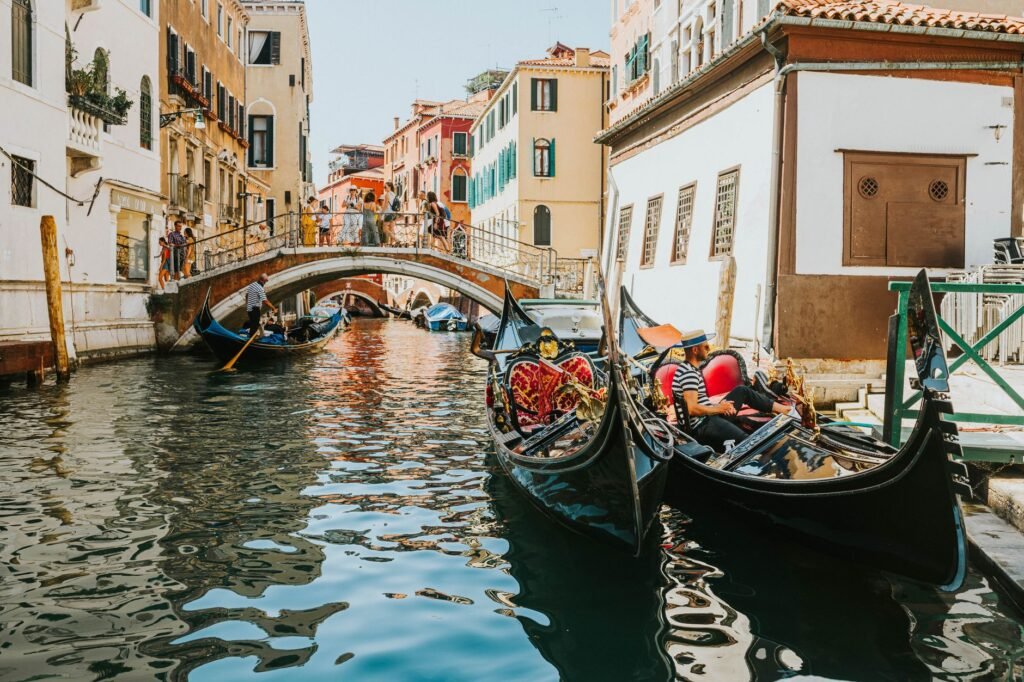
- Take a gondola ride through the canals.
- Visit St. Mark’s Basilica and the Doge’s Palace.
- Enjoy cicchetti (Venetian tapas) at a local bacaro.
- Day 7-8: Bologna
- Sample local pasta dishes like tagliatelle al ragù.
- Explore the historic city center and the Two Towers.
- Visit the University of Bologna, one of the oldest in the world.
- Day 9-10: Milan
- See Leonardo da Vinci’s The Last Supper.
- Shop in the Galleria Vittorio Emanuele II.
- Visit the stunning Milan Cathedral.
This itinerary is flexible and can be adjusted based on your interests and travel pace. Each city offers unique experiences, ensuring that your adventure is both diverse and enriching.
Getting Around Italy
Traveling within Italy can be a seamless experience if planned correctly. The country has an extensive transport network, including trains, buses, and domestic flights.
The high-speed train system, known as Trenitalia, connects major cities like Rome, Florence, and Milan, making train travel a popular choice among tourists. Here are some key points to consider:
- Train travel: Book tickets in advance to secure better prices.
- Regional trains: Use them for smaller towns and cities.
- Buses: A cost-effective option for rural areas.
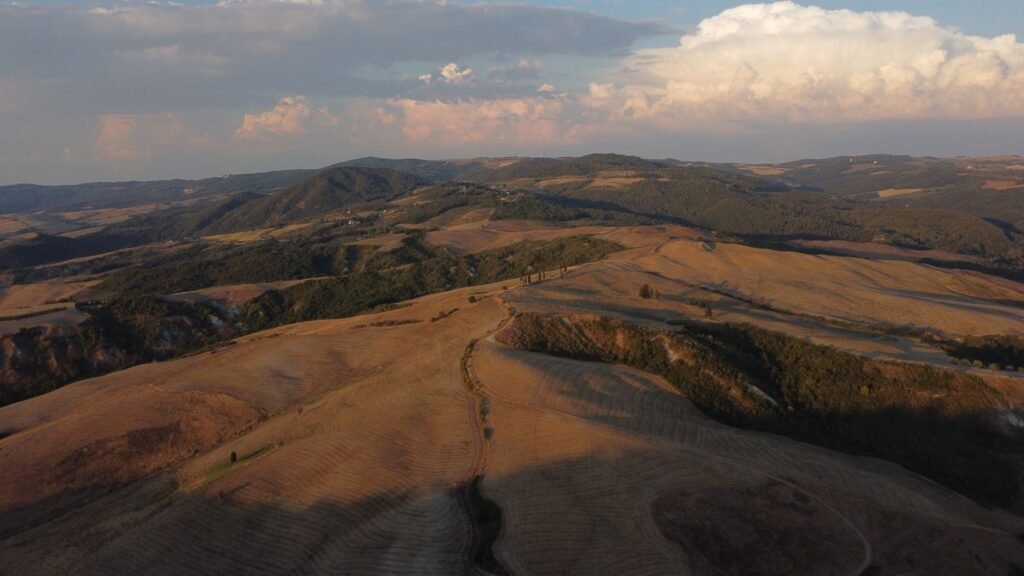
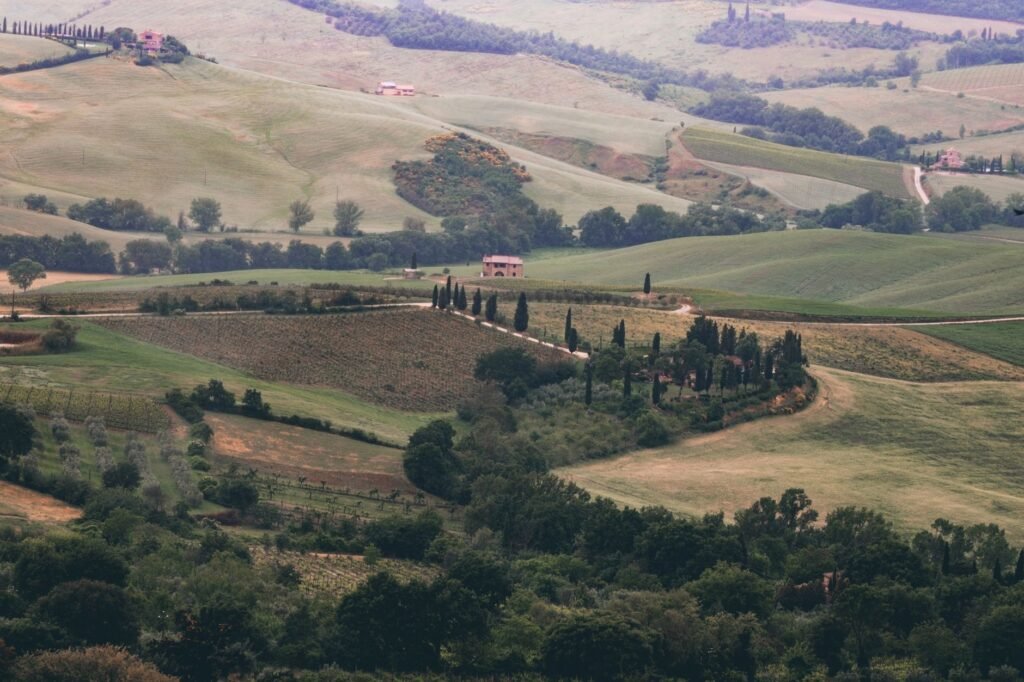
- Car rental: Consider this for exploring the countryside, like Tuscany.
Public transportation is generally efficient, but be prepared for occasional delays, especially in the summer months when tourist traffic peaks.
Experiencing Authentic Italian Cuisine
Food is an integral part of Italian culture, and experiencing it authentically is a must during your big Italian adventure. Each region has its specialties, influenced by local ingredients and traditions.
In Rome, try classic dishes such as carbonara and cacio e pepe. Florence offers the famous Florentine steak, while Venice is known for seafood risottos. Don’t miss out on:
- Pasta: Experiment with different types, from orecchiette in Puglia to pici in Tuscany.
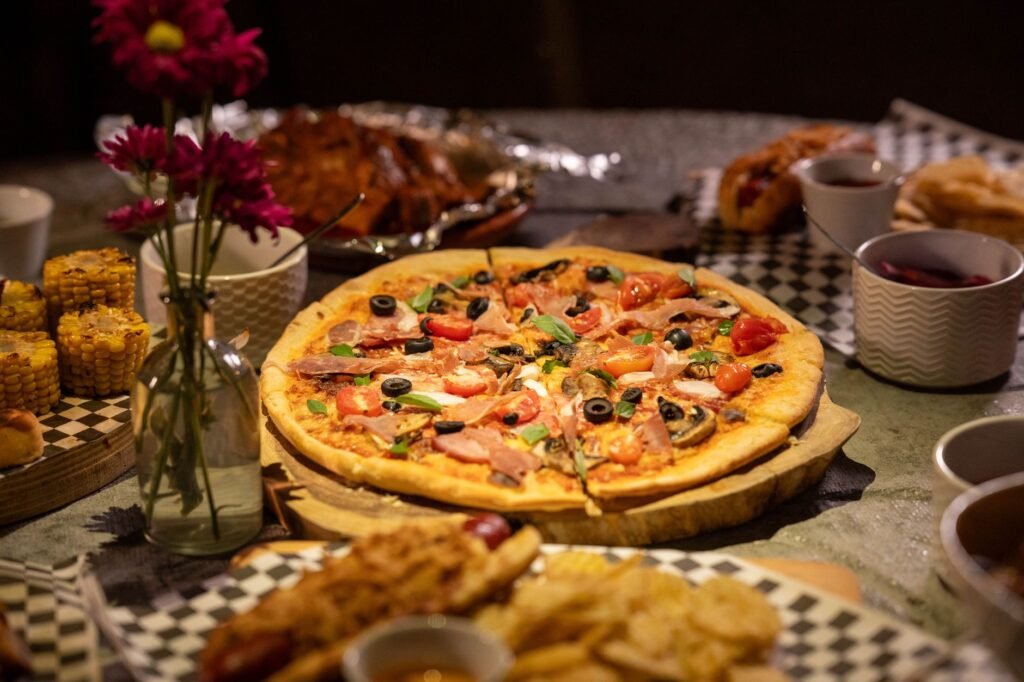
- Pizza: Authentic Neapolitan pizza is a culinary experience; ensure you try it in Naples.
- Gelato: Indulge in Italy’s signature dessert; each city boasts unique flavors.
Dining is not just about food; it’s an experience. Seek out local trattorias and osterias for a more authentic atmosphere. Engaging with locals can lead to discovering hidden gems that tourists often overlook.
Safety Tips for Travelers in Italy
Italy is generally a safe destination for travelers, but like any other tourist hotspot, it’s important to stay vigilant. Here are some practical safety tips:
- Watch out for pickpockets: Keep your belongings secure, especially in crowded areas.
- Be cautious at night: Stick to well-lit areas and avoid deserted streets.
- Know emergency numbers: The general emergency number in Italy is 112.
- Travel insurance: Consider obtaining travel insurance for unforeseen circumstances.
Understanding local customs and etiquette can also enhance your experience. For instance, greeting shopkeepers and waitstaff is customary and appreciated.
Understanding Italian Regional Differences
The North vs. The South
Italy is a country of stark regional differences, and understanding these can enhance your travel experience. The northern regions, such as Lombardy and Veneto, are known for their industrial power, sophisticated cuisine, and stunning alpine landscapes. In contrast, southern regions like Calabria and Sicily boast rich histories, vibrant cultures, and more traditional lifestyles. When planning your itinerary, consider how these regional characteristics might influence your destinations.
For instance, in the North, you might find dishes that are creamy and rich, such as Risotto alla Milanese, while in the South, you would encounter more tomato-based sauces and seafood, like Pasta alla Norma. To truly appreciate Italy’s culinary diversity, try local specialties in each region you visit.
- North: Polenta, Gorgonzola cheese, and Trentino wines.
- Central: Porchetta, Pecorino cheese, and Sangiovese wines.
- South: Caponata, Arancini, and Nero d’Avola wines.
Regional Dialects and Languages
Another fascinating aspect of Italy is its variety of dialects. Each region has its own unique dialect that can differ significantly from standard Italian. While you may not need to learn these dialects, understanding a few key phrases can be helpful and appreciated by locals. For example, in Naples, you might hear ‘Guagliò’ (meaning ‘dude’ or ‘guy’), while in Sicilian, ‘Beddu’ means ‘beautiful.’
Being aware of these differences can also help you navigate conversations better and show respect for the local culture. If you’re planning to stay in one region for an extended period, consider picking up a few phrases or expressions specific to that area.
- Common Italian Dialects:
- Venetian in Veneto
- Sicilian in Sicily
- Neapolitan in Naples
- Emilian-Romagnol in Emilia-Romagna
Embracing Italy’s Local Festivals and Traditions
Festivals Not to Miss
Italy is rich in local festivals that celebrate everything from food to historical events. Participating in these festivals can provide a deeper understanding of the cultural fabric of the regions you are visiting. For example, the Palio di Siena, held twice each summer, showcases a historic horse race in Siena’s Piazza del Campo, drawing thousands of spectators. The festival is steeped in tradition and offers a unique glimpse into the local customs.
Similarly, the Venice Carnival, famous for its elaborate masks, is a vibrant celebration leading up to Lent. Attending these events not only allows you to witness local traditions but also provides opportunities to taste regional foods, enjoy live music, and engage with locals.
- Key Festivals:
- Palio di Siena (July and August)
- Venice Carnival (February)
- Festa della Repubblica (June 2)
- Umbria Jazz Festival (July)
Participating in Local Traditions
Beyond festivals, Italy is home to numerous local customs and traditions that vary by region. For example, in Tuscany, you might encounter the tradition of ‘La Vendemmia,’ the grape harvest festival, where locals celebrate the wine-making process with food, music, and communal activities. Engaging in these traditions can provide a memorable experience and help you connect with the local community.
Consider joining a cooking class that focuses on regional dishes or a local craft workshop where you can learn traditional techniques. This not only enriches your travel experience but also supports local artisans and culinary experts.
- Local Customs to Explore:
- Participate in grape harvests in Tuscany.
- Join a local olive oil tasting in Umbria.
- Experience a traditional Italian wedding in smaller towns.
Traveling Sustainably in Italy
Eco-Friendly Transportation Options
As travelers become more conscious of their environmental impact, considering sustainable travel options is essential. Italy offers a variety of eco-friendly transportation alternatives. Trains are an excellent way to explore the country, connecting major cities and scenic routes with minimal carbon emissions. The Italian train system, Trenitalia, is efficient, punctual, and provides beautiful views, especially when traveling through regions like Tuscany and the Lake District.
Biking is another popular and eco-friendly way to explore cities and countryside. Many regions, such as Emilia-Romagna and Tuscany, have dedicated bike paths and offer rental services. This allows you to enjoy the scenery at a leisurely pace while minimizing your environmental footprint.
- Eco-Friendly Transport Options:
- Trains (e.g., Trenitalia, Italo)
- Biking (local rentals available)
- Public buses (especially in smaller towns)
Supporting Local Communities
When traveling in Italy, consider ways to support local communities. Opt for local markets over large supermarkets, where you can purchase fresh produce, artisanal goods, and handcrafted souvenirs. This not only helps local economies but also gives you a taste of the region’s culinary delights.
Additionally, choosing accommodations that prioritize sustainability, such as eco-lodges or family-run bed and breakfasts, can significantly contribute to the local economy and provide a more authentic experience. Look for services that offer environmentally friendly practices, such as recycling programs or locally-sourced meals.
- Ways to Support Local Communities:
- Shop at local markets and artisan shops.
- Choose eco-friendly accommodations.
- Participate in community-led tours or workshops.
Capturing Italy: Photography Tips for Travelers
Choosing the Right Gear
Italy is a photographer’s paradise, filled with breathtaking landscapes, historic architecture, and vibrant street life. When preparing for your trip, consider your photography gear carefully. A DSLR or mirrorless camera with a versatile zoom lens is ideal for various situations, from capturing sweeping vistas in the Amalfi Coast to intimate moments in bustling city streets.
Additionally, don’t forget to bring extra batteries and memory cards, as you may find yourself shooting more than you anticipated. A lightweight tripod can also be beneficial for low-light situations and long-exposure shots, particularly in cities like Venice where the night lights create magical reflections.
Best Locations for Stunning Shots
Italy offers countless spots for amazing photographs. Here are some must-visit locations:
- Rome: The Colosseum at sunset, St. Peter’s Basilica from the Vatican Gardens.
- Florence: Piazzale Michelangelo for panoramic views, the Ponte Vecchio at dawn.
- Venice: The Grand Canal during golden hour, colorful Burano Island.
- Amalfi Coast: Positano from the sea, Ravello’s gardens.
Each of these locations provides unique opportunities to capture Italy’s beauty, so plan your visits accordingly.
Shopping for Italian Souvenirs: What to Buy and Where
Top Italian Souvenirs
Bringing a piece of Italy home can be a memorable experience. Here are some popular souvenirs that reflect Italian craftsmanship and culture:
- Murano Glass: Handcrafted glass items from Venice, including vases and jewelry.
- Leather Goods: High-quality bags, belts, and wallets from Florence.
- Food and Wine: Olive oil, balsamic vinegar, and regional wines make excellent gifts.
- Ceramics: Colorful pottery from the Amalfi Coast or Deruta.
Where to Shop
Knowing where to shop can enhance your souvenir-hunting experience. Consider these options:
- Local Markets: Explore street markets for authentic local products.
- Artisan Workshops: Visit workshops in Florence or Murano to see artisans at work.
- Specialty Stores: Look for shops that focus on a particular craft, like leather or ceramics.
These venues not only offer unique items but also provide insight into Italian culture and traditions.
Language Essentials: Communicating in Italy
Basic Italian Phrases
While many Italians speak English, knowing some basic Italian phrases can enhance your travel experience. Here are a few essential phrases to start with:
- Grazie: Thank you
- Per favore: Please
- Mi scusi: Excuse me
- Dove si trova…? Where is…?
- Quanto costa? How much does it cost?
Useful Language Tips
When engaging with locals, consider these tips to help bridge any language gaps:
- Learn a few phrases before your trip to show respect for the local culture.
- Speak slowly and clearly if you need to use English, as it helps comprehension.
- Use gestures and body language to communicate when words escape you.
Being open and friendly can also encourage locals to assist you, enriching your journey through Italy.
Frequently Asked Questions
What is the best time to visit Italy?
The best time to visit Italy is during the spring (April to June) and fall (September to October) when the weather is pleasant and tourist crowds are fewer.
Is it necessary to speak Italian?
While many Italians speak English in tourist areas, learning basic Italian phrases can enhance your experience and interaction with locals.
What should I pack for my trip to Italy?
Pack comfortable walking shoes, light layers for varying weather, and a reusable water bottle. Don’t forget your camera to capture beautiful moments!
How can I save money while traveling in Italy?
Consider using public transportation, eating at local eateries, and booking attractions online in advance for discounts.
The Bottom Line
Your big Italian adventure awaits with its rich culture, stunning landscapes, and mouthwatering cuisine. By planning effectively and embracing the local lifestyle, you’ll create lasting memories while exploring this enchanting country. From the bustling streets of Rome to the serene hills of Tuscany, every corner of Italy has a story to tell.
Visa rules, prices and opening times change. Always confirm details with official sources before you travel.