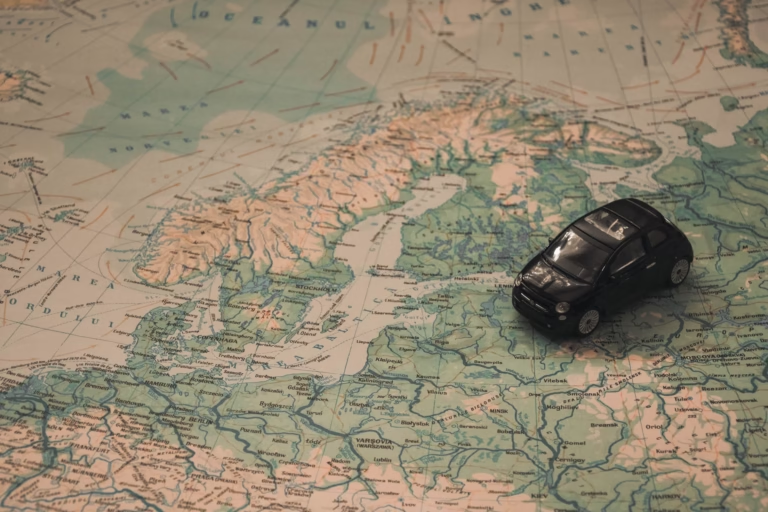
Essential Europe Travel Rules: What You Need to Know
Discover essential Europe travel rules to enhance your journey, covering entry requirements, safety tips, and local customs to ensure a smooth trip.
Traveling to Europe can be an enriching experience filled with diverse cultures, stunning landscapes, and historical landmarks. However, before embarking on your European adventure, it is essential to familiarize yourself with various travel rules that can significantly impact your journey. This guide will delve into the fundamental aspects of Europe travel rules, covering everything from visa requirements to safety tips, local customs, and transportation regulations.
In recent years, travelers have encountered new regulations and changes in entry requirements that are crucial to understand. These rules not only vary by country but may also change based on the current political climate, public health guidelines, or other factors. Therefore, staying informed before your trip is vital to ensure a smooth experience.
This article will provide practical insights and tips to help you navigate the complexities of traveling in Europe, so you can focus on enjoying your travels instead of worrying about compliance.
Visa Requirements for Europe
One of the first steps in planning your European trip is understanding the visa requirements for the countries you wish to visit. Europe comprises 44 countries, and each may have different regulations depending on your nationality.
For travelers from the United States, Canada, Australia, and several other countries, the Schengen Agreement may apply. This agreement allows visitors to enter multiple countries within the Schengen Area with a single visa. Here are some key points to consider:
- Schengen Visa: If your stay exceeds 90 days in a 180-day period, you will need a Schengen visa. This visa allows travel to 26 countries, including popular destinations like France, Germany, and Italy.
- Visa Waivers: Many nationalities can enter the Schengen Area without a visa for short stays. However, it’s essential to check the specific rules applicable to your nationality.
- Application Process: If a visa is required, apply well in advance. The process can take several weeks, and you may need to provide documentation such as proof of accommodation, travel insurance, and a return ticket.
In addition to the Schengen rules, some countries outside the Schengen Area, like the United Kingdom and Ireland, have their own visa requirements. Research the specific regulations for each country you plan to visit.

Health and Safety Regulations
Your health and safety should be a top priority while traveling. Each country in Europe may have different health regulations, especially in light of recent global health crises.
Before your trip, consider the following health-related tips:
- Travel Insurance: Invest in comprehensive travel insurance that covers medical emergencies, trip cancellations, and lost belongings. This is particularly important in Europe, where healthcare costs can be high.
- Vaccinations: Check if specific vaccinations are recommended or required for the countries you plan to visit. For instance, some countries may require proof of vaccination against diseases like measles or COVID-19.
- Local Health Facilities: Familiarize yourself with the healthcare facilities available in the regions you will be visiting. Knowing where to find medical help can be crucial in emergencies.
Additionally, it is advisable to carry a basic first-aid kit and any personal medications you may need during your travels. Carry copies of your prescriptions, especially for controlled substances.
Understanding Local Customs and Etiquette
Europe is home to a rich tapestry of cultures, and understanding local customs can enhance your travel experience. Each country has its own social norms and etiquette, so it’s beneficial to be aware of these when visiting different regions.
Here are some general tips to help you navigate local customs:
- Greetings: In many European countries, greetings are formal. A handshake is common, while in some cultures, such as in France or Italy, cheek kissing may be customary. Always greet with a smile and use polite language.
- Dining Etiquette: Dining customs vary significantly across Europe. In Italy, for instance, it is common to linger over meals, while in Germany, punctuality is highly valued. Familiarize yourself with the dining etiquette of each country.
- Language: While English is widely spoken, learning a few basic phrases in the local language can go a long way in showing respect and making connections.
Being culturally sensitive can lead to a more enriching experience and can help avoid misunderstandings or unintentional offenses.

Transportation Rules and Tips
Getting around Europe can be a delightful experience, given the extensive public transportation systems available. However, it is essential to understand the transportation rules and tips to make your journey smoother.
Here are some key aspects to consider:
- Public Transport: Most European cities have efficient public transport networks, including buses, trams, and metro systems. Purchase tickets before boarding and validate them if required. Be aware of peak hours and try to travel during off-peak times to avoid crowds.
- Driving Regulations: If you plan to rent a car, remember that driving rules may differ significantly from your home country. Always carry an International Driving Permit (IDP) if required and familiarize yourself with local road signs and regulations.
- Walking and Cycling: Many European cities are pedestrian-friendly. Consider walking or cycling to explore urban areas. Bike-sharing programs are common and provide a good way to see the sights.
Using public transport is often the most economical way to get around, but having a plan and understanding the routes can save you time.

Currency and Money Management
Currency management is another vital aspect of traveling in Europe. While many countries in Europe use the Euro, some have retained their national currencies, which can create confusion for travelers.
Here are some practical tips for managing your money while traveling:
- Currency Exchange: Check the current exchange rates before your trip and consider exchanging some currency in advance. Avoid exchanging money at airports, as rates are typically less favorable.
- Credit and Debit Cards: Most establishments in Europe accept credit and debit cards. However, it’s wise to carry some cash, especially in smaller towns or for small purchases.
- Notify Your Bank: Inform your bank about your travel plans to avoid your card being blocked for suspicious activity. Also, inquire about foreign transaction fees.
Having a good understanding of the currency situation can help you manage your budget effectively and avoid unnecessary fees.

Emergency Contacts and Safety Tips
Knowing what to do in case of an emergency is crucial while traveling. Each country in Europe has its own emergency service numbers, and being aware of these can help you respond quickly if needed.
Here are some essential safety tips:
- Emergency Numbers: The emergency number for police, fire, and ambulance services in many European countries is 112. Familiarize yourself with local emergency contacts for your specific destination.
- Stay Informed: Keep abreast of local news and safety advisories, especially in regions where political tensions or natural disasters may occur.
- Personal Safety: Exercise standard safety precautions such as being aware of your surroundings, avoiding poorly lit areas at night, and securing your belongings to prevent theft.
Being prepared for emergencies can provide peace of mind and ensure a safer travel experience.
Travel Insurance: Why It’s Essential
Understanding the Benefits of Travel Insurance
Travel insurance serves as a safety net for travelers, providing financial protection against unforeseen events. It can cover a range of scenarios including trip cancellations, medical emergencies, lost luggage, and travel delays. By investing in travel insurance, you can ensure that unexpected costs do not derail your trip, allowing you to enjoy your travels with peace of mind.
Many policies include 24/7 assistance, which can be invaluable if you find yourself in a sticky situation abroad. Whether it’s coordinating medical care or helping you find lost belongings, having a dedicated support team can make a significant difference in your travel experience.
Types of Travel Insurance Policies
Before purchasing travel insurance, it’s important to understand the different types of policies available. Here are some common types:
- Trip Cancellation Insurance: Reimburses you if you need to cancel your trip due to covered reasons.
- Medical Coverage: Covers medical expenses incurred while traveling, including emergency medical evacuations.
- Lost Luggage Insurance: Provides compensation for lost or damaged luggage and personal items.
- Accidental Death and Dismemberment Insurance: Offers benefits in the event of an accident resulting in death or severe injury.
Understanding these options can help you choose a policy that best fits your travel needs.
How to Choose the Right Policy
When selecting travel insurance, consider the following factors:
- Destination: Some locations may have higher risks associated with health or travel disruptions.
- Duration of Travel: Longer trips may require more comprehensive coverage due to increased exposure to risks.
- Activities Planned: If your itinerary includes risky activities like skiing or scuba diving, ensure your coverage includes these.
- Pre-Existing Conditions: Check if your insurance covers any pre-existing medical conditions you may have.
Taking the time to read the fine print can save you from unexpected pitfalls during your travels.

Understanding European Time Zones and Daylight Saving Time
Time Zones Across Europe
Europe spans multiple time zones, which can affect your travel plans and communication with home. The continent is primarily divided into three time zones: Western European Time (WET), Central European Time (CET), and Eastern European Time (EET). As you travel from west to east, you will need to adjust your clocks accordingly, which can impact flight schedules and meeting times.
For instance, the UK operates on WET, while countries like France and Germany function under CET, and nations such as Greece are in the EET zone. This means that when it’s noon in London, it could be 1 PM in Paris and 2 PM in Athens.
Daylight Saving Time in Europe
Daylight Saving Time (DST) is observed in many European countries, typically beginning on the last Sunday in March and ending on the last Sunday in October. During this period, clocks are set forward one hour. Understanding DST is crucial if you’re traveling during these months, as it can alter flight times and local schedules.
Not all countries in Europe observe DST, so it’s wise to check your specific destinations. For example, while most of Europe participates, countries like Iceland and Belarus do not, which can lead to discrepancies in timekeeping and scheduling.
Tips for Managing Time Differences While Traveling
Managing time differences can be challenging, but these tips can help ease the transition:
- Adjust Your Schedule: Before traveling, gradually shift your sleep schedule to align more closely with your destination’s time zone.
- Use Technology: Utilize smartphone apps to keep track of time zones and set reminders for important events.
- Stay Hydrated: Drink plenty of water during your flight to combat fatigue and help your body acclimate to the new time zone.
- Limit Caffeine and Alcohol: Both can disrupt your sleep patterns, making it harder to adapt to the new time zone.
Implementing these strategies can help reduce the effects of jet lag and enhance your travel experience.

Local Transportation Regulations and Best Practices
Driving Rules in Different European Countries
Driving in Europe can be a convenient way to explore, but it comes with its own set of regulations that vary by country. For example, in the UK and Ireland, vehicles drive on the left side of the road, while in most other European countries, driving is on the right. Familiarizing yourself with local traffic laws is essential to avoid fines and ensure safety.
Speed limits also vary, generally ranging from 50 km/h in urban areas to 120 km/h on highways, but always check local signs for specific limits. Moreover, some countries require drivers to carry additional safety equipment, such as reflective vests, warning triangles, and breathalyzers.
Public Transportation Etiquette
Using public transportation in Europe is often an efficient way to navigate cities. However, it’s important to be aware of local etiquette to ensure a pleasant experience for yourself and others. Here are some key points to consider:
- Give Up Your Seat: Offer your seat to elderly individuals, pregnant women, or those with disabilities.
- Keep Noise Levels Down: Use headphones for music and keep conversations quiet to maintain a peaceful environment.
- Respect Personal Space: Avoid crowding fellow passengers, especially during busy travel times.
Being considerate on public transport can enhance your experience and the experience of those around you.
Understanding Local Taxi and Rideshare Services
When it comes to getting around, taxis and rideshare services like Uber are popular options in many European cities. However, regulations and practices can differ significantly from one country to another. In some cities, taxis must be hailed or booked through official apps, while in others, rideshare services may be limited or even banned.
It is advisable to confirm the payment methods accepted in local taxis, as some may only accept cash while others may take credit cards. Additionally, always check that the taxi has a valid license and a working meter to avoid scams.
For rideshare services, ensure that you are matched with the correct vehicle by confirming the license plate and driver identity before entering the car.
Frequently Asked Questions
What documents do I need to travel to Europe?
Essential documents include a valid passport, any necessary visas, travel insurance, and proof of accommodation. Always check specific entry requirements for each country.
Are there any health requirements for entering Europe?
Health requirements may include vaccinations or proof of health insurance. It’s advisable to check the specific health regulations for each country you plan to visit.
What is the best way to get around Europe?
The best way to get around often depends on your destinations. Consider using public transportation, trains, or rental cars for flexibility, especially in rural areas.
How do I handle currency while traveling in Europe?
Use a mix of cash and cards. Keep some local currency for small purchases, and consider using credit or debit cards with no foreign transaction fees.
The Bottom Line
Traveling in Europe can be an exciting and unforgettable experience, but it requires careful planning and awareness of the various travel rules in place. From visa requirements and health regulations to local customs and transportation systems, understanding these aspects can significantly enhance your travel experience. By staying informed and prepared, you can focus on immersing yourself in the diverse cultures and beautiful landscapes that Europe has to offer.
Visa rules, prices and opening times change. Always confirm details with official sources before you travel.