Exploring London’s Queer History Walking Tour: A Unique Journey
Join us on a London queer history walking tour to discover the vibrant stories, landmarks, and cultural significance of LGBTQ+ history in the city.
London is a city rich in history, culture, and diversity, and its LGBTQ+ community has played a significant role in shaping its vibrant landscape. A walking tour focused on queer history not only allows travelers to explore the city’s famous landmarks but also to uncover the lesser-known stories of resilience, activism, and celebration within the LGBTQ+ community. Whether you’re a local or a visitor, this journey into London’s queer past offers a unique perspective on the evolution of LGBTQ+ rights and culture.
The London queer history walking tour will take you through various neighborhoods, showcasing essential sites that mark pivotal moments in LGBTQ+ history. From the historic streets of Soho to the iconic gay bars of Vauxhall, each stop is a chance to reflect on the struggles and triumphs of the community. This guide will provide you with insights into key locations, historical context, and tips on making the most of your experience.
Whether you embark on this tour independently or with a guided group, you’ll leave with a deeper understanding of London’s queer heritage and its ongoing impact on contemporary society. Let’s explore the key areas, stories, and landmarks that define this important aspect of London’s character.
Key Areas to Explore
One of the most exciting aspects of the London queer history walking tour is the variety of neighborhoods you’ll visit. Each area has its own unique history and contributions to LGBTQ+ culture. Here are some key areas to include:
- Soho: The heart of London’s gay scene, Soho has been a hub for LGBTQ+ culture since the 1950s. It boasts numerous bars, clubs, and cultural venues that celebrate queer life.
- Vauxhall: Known for its nightlife, Vauxhall has a rich queer history. It’s home to several iconic gay clubs and is a focal point for LGBTQ+ events.
- Covent Garden: This area has historical significance for the LGBTQ+ community and features various theaters that have showcased queer performances and artists.
- Borough of Camden: Known for its alternative scene, Camden has a vibrant LGBTQ+ community and hosts events celebrating queer culture.
Soho: The Heart of LGBTQ+ London
Soho is perhaps the most famous area for queer culture in London. Once a red-light district, it transformed in the mid-20th century into a vibrant LGBTQ+ neighborhood. Here, you can find iconic venues like The Admiral Duncan, a pub known for its community spirit and tragic history, as it was the site of a devastating bombing in 1999 that targeted the LGBTQ+ community.
Walking through the streets of Soho, you will encounter the G-A-Y club, a well-known spot for nightlife that has been a staple for the gay community. The streets are lined with colorful flags and murals that celebrate Pride and the history of LGBTQ+ rights, making it an essential stop on your tour.
Additionally, Soho is home to the London LGBTQ+ Community Centre, where visitors can learn more about ongoing advocacy and community engagement. This center serves as a resource for both locals and visitors, offering workshops, events, and support.
Vauxhall: The Nightlife Hub
Vauxhall has made a name for itself as a lively nightlife destination, particularly known for its queer clubs and bars. Fire and Heaven are two of the most popular venues that host various events, from drag shows to dance parties. These clubs are not only fun places to enjoy the nightlife but also serve as important cultural spaces for the LGBTQ+ community.
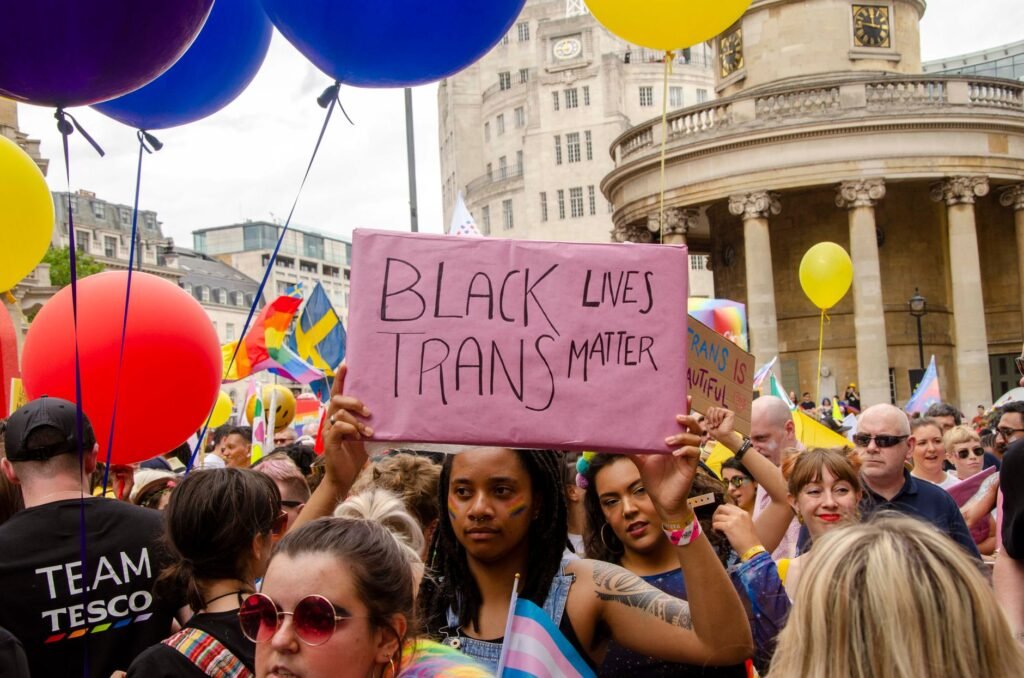
The annual UK Black Pride event takes place in Vauxhall, celebrating the diversity within the LGBTQ+ community. This event showcases the contributions of Black LGBTQ+ individuals and serves as a reminder of the ongoing fight for equality.
As you explore Vauxhall, look for the Vauxhall Pleasure Gardens, which historically served as a meeting point for LGBTQ+ individuals. The gardens have hosted numerous events and gatherings, making them a significant part of queer culture.
Covent Garden: Theatrical and Cultural Significance
Covent Garden is not only known for its shopping and dining but also for its rich theatrical history. Many iconic performances have highlighted LGBTQ+ stories and artists. The area is home to the Royal Opera House, which has featured several productions showcasing queer narratives.
Another significant venue is the Lyceum Theatre, which has hosted performances that resonate with LGBTQ+ themes. Attending a show here could provide additional context and inspiration for your walking tour.
In addition to theaters, Covent Garden has numerous spots where historical LGBTQ+ figures have influenced arts and culture. Look for plaques and markers that commemorate these important contributions along your route.
Important Historical Landmarks
As you navigate through London’s neighborhoods, several historical landmarks tied to LGBTQ+ history deserve attention. Each site tells a story of struggle, resilience, and progress.
- The Gay Liberation Front Plaque: Located in Soho, this plaque commemorates the Gay Liberation Front, one of the first organized movements advocating for LGBTQ+ rights in the UK during the 1970s.
- Old Compton Street: This street is lined with bars and shops that have been vital to the gay community. It is often considered the epicenter of LGBTQ+ life in London.
- The Pink Triangle: This memorial honors those persecuted during the Holocaust, specifically gay men who were targeted. It serves as a reminder of the historical struggles faced by the LGBTQ+ community.
- The Royal Vauxhall Tavern: An iconic pub known for its drag shows and performances, the Royal Vauxhall Tavern has been a significant gathering place for the LGBTQ+ community since the 1980s.
The Gay Liberation Front Plaque
Located on the corner of Old Compton Street, the Gay Liberation Front Plaque marks the spot where this revolutionary group began its advocacy for LGBTQ+ rights. Established in 1970, the group organized protests, campaigns, and events that sought to challenge societal norms and push for equality. The plaque serves as a reminder of the courage and determination of those early activists.
Visitors can take a moment to reflect on the progress made since the 1970s and the ongoing fight for LGBTQ+ rights worldwide. This historic site is an essential stop for anyone interested in understanding the roots of current LGBTQ+ activism.
Old Compton Street: A Hub of LGBTQ+ Life
Walking down Old Compton Street, you’ll find a vibrant mix of bars, cafes, and shops that cater to the LGBTQ+ community. Each venue has its own unique atmosphere and history. Places like The Compton’s of Soho and The Naked Chef are popular spots for socializing and connecting with others in the community. The street is also home to various events during Pride Month, where it transforms into a colorful celebration of diversity.
Take the time to explore the side streets and alleys off Old Compton Street, where you may find smaller venues that host unique performances and art shows. These hidden gems often reflect the creativity and spirit of the LGBTQ+ community.
The Pink Triangle Memorial
Situated near the entrance to the historic site of the Imperial War Museum, the Pink Triangle serves as a memorial for gay men who lost their lives during the Holocaust. This poignant symbol reminds visitors of the atrocities committed against LGBTQ+ individuals and the importance of remembrance and education.
Visiting the memorial allows for reflection on the challenges faced by the LGBTQ+ community throughout history. It also serves as a call to action to ensure that such discrimination never happens again. Educational resources are available nearby for those who wish to learn more about this dark chapter in history.
The Evolution of LGBTQ+ Rights in London
Understanding the history of LGBTQ+ rights in London is crucial for appreciating the significance of the sites you will visit. The journey towards equality has been long and fraught with challenges, but it has also seen significant milestones.
- 1967: Decriminalization of Homosexuality: The Sexual Offences Act 1967 was a landmark law that partially decriminalized homosexual acts between men over the age of 21 in England and Wales. This was a significant step towards LGBTQ+ rights.
- 1970s: Rise of Activism: The formation of groups like the Gay Liberation Front marked a new era of activism, pushing for equal rights and social acceptance. Public protests and pride events began to gain traction.
- 1980s: The AIDS Crisis: The AIDS epidemic had a profound impact on the LGBTQ+ community. Advocacy for healthcare and awareness became central issues, leading to the establishment of organizations that continue to support individuals affected by the disease.
- 2000s: Marriage Equality: The legalization of same-sex marriage in England and Wales in 2013 marked a significant victory for LGBTQ+ rights. This achievement was the result of decades of activism and advocacy.
1967: Decriminalization of Homosexuality
The Sexual Offences Act 1967 was a pivotal moment in the fight for LGBTQ+ rights in the UK. Before this act, homosexual acts were punishable by law, leading to widespread discrimination and persecution. The decriminalization of homosexuality was not just a legal victory; it represented a societal shift towards acceptance and understanding.
As you walk through London, consider how this change in legislation has influenced the culture and community. The impact of this act continues to resonate today, as it laid the groundwork for further advancements in LGBTQ+ rights.
1970s: Rise of Activism
The 1970s saw the rise of various LGBTQ+ activist groups, most notably the Gay Liberation Front. These organizations organized peaceful protests, marches, and educational events to raise awareness about LGBTQ+ issues. Activism during this time focused on anti-discrimination laws, healthcare access, and visibility for LGBTQ+ individuals.
Many of the events organized during this era served to unite the community and foster a sense of belonging. The legacy of this activism continues to inspire current movements and events, such as Pride celebrations.
2000s: Marriage Equality
The legalization of same-sex marriage in 2013 was a monumental achievement for the LGBTQ+ community in the UK. This victory followed years of advocacy, legal battles, and public support for marriage equality. It symbolized not only the recognition of love but also the acknowledgment of LGBTQ+ individuals as equal members of society.
As you reflect on this achievement, you may want to visit venues that played a role in the marriage equality movement, such as advocacy offices and community centers. These sites often host events and discussions related to LGBTQ+ rights and history.
Practical Tips for Your Walking Tour
Embarking on a walking tour of London’s queer history can be an enriching experience. Here are some practical tips to enhance your journey:
- Plan Your Route: Research and map out the sites you want to visit. Consider joining a guided tour for deeper insights or creating your own itinerary based on personal interests.
- Respect Local Spaces: Many landmarks and venues are still in use by the LGBTQ+ community. Be respectful of their significance and privacy while visiting.
- Engage with the Community: Don’t hesitate to strike up conversations with locals or other tourists. Sharing stories and experiences can enrich your understanding of LGBTQ+ culture.
- Check Event Calendars: If your visit coincides with Pride Month or other LGBTQ+ events, take advantage of the festivities. Local calendars often list parades, exhibitions, and parties.
Frequently Asked Questions
What is the best time to take a London queer history walking tour?
The best time to take a walking tour is during the spring and summer months when the weather is mild, and many LGBTQ+ events take place. However, check local calendars for specific events like Pride Month in June.
Are there guided tours available?
Yes, several organizations offer guided tours focusing on LGBTQ+ history. These tours often provide insights that self-guided tours might miss, including personal stories and historical context.
Is it safe to explore these neighborhoods?
Generally, London’s LGBTQ+ neighborhoods are safe and welcoming. However, as with any urban area, it’s wise to stay aware of your surroundings, especially at night.
How long does the walking tour usually take?
The duration of the walking tour can vary based on the number of sites visited. A typical tour can last anywhere from 2 to 4 hours, depending on your pace and the depth of exploration.
The Bottom Line
A London queer history walking tour is more than just a stroll through the city; it’s an opportunity to engage with the rich tapestry of LGBTQ+ history and culture. By exploring important landmarks, understanding the evolution of rights, and reflecting on the stories of those who came before, you’ll gain a deeper appreciation for the resilience and vibrancy of the queer community in London. Whether you are a local or a visitor, this experience is sure to leave a lasting impact.
Visa rules, prices and opening times change. Always confirm details with official sources before you travel.